
Are you considering starting a gold and silver coin collection but feeling overwhelmed by where to begin? You’re not alone. The world of coin collecting, particularly when it comes to precious metals, can seem daunting at first. From understanding numismatic terminology to deciding whether to focus on bullion or rare coins, there are many choices to make. But don’t worry—starting a coin collection doesn’t have to be complicated. In this beginner’s guide, you’ll learn everything you need to know about collecting gold and silver coins, from essential tips for beginners to understanding the basics of numismatics. By the end of this post, you’ll have a solid foundation to begin your collection confidently, knowing how to identify key types of coins, assess their value, and even avoid common mistakes that many beginners make. What Is Numismatics and Why Should You Care? Before you begin collecting gold and silver coins, it’s important to understand the world of numismatics. Numismatics is the study or collection of currency, including coins, tokens, paper money, and medals. This field is not just for hobbyists; it’s also a serious investment avenue. For beginner collectors, learning the fundamentals of numismatics will help you avoid buying counterfeit coins, misjudging their value, or making unwise investments. Key Terms You Should Know Bullion Coins: These are coins primarily valued for their metal content (gold, silver, etc.). They are often minted by governments and are bought and sold based on weight and purity. Numismatic Coins: These are rare or collectible coins that are valued based on rarity, age, condition, and demand, rather than just the metal content. Melt Value: The intrinsic value of a coin, based on its precious metal content. This is a crucial metric for bullion coins. Proof Coins: These are specially minted coins, often with high-quality finishes, that are popular with collectors. What Type of Coins Should You Start Collecting? As a beginner, it’s essential to understand the different types of coins you can collect. You can choose between bullion coins and numismatic coins based on your preferences and goals. 1. Bullion Coins: The Investment Focus If you’re starting your coin collection for investment purposes, bullion coins are a great starting point. These coins are made from precious metals such as gold, silver, platinum, or palladium. Their value is based primarily on the current market price of the metal. Popular Bullion Coins to Start With: American Gold Eagle: A gold bullion coin known for its purity and recognizable design. Canadian Maple Leaf: One of the most popular silver bullion coins, known for its high purity. South African Krugerrand: A gold coin that is one of the most traded in the world. 2. Numismatic Coins: The Collector’s Focus Numismatic coins are those that have collectible value beyond their metal content. These coins are valued based on their rarity, historical significance, and condition. Numismatic coins are often more expensive than bullion coins and are often sought after by collectors who enjoy the thrill of finding rare pieces. Popular Numismatic Coins for Beginners: Morgan Silver Dollar: A classic American coin with rich history and a broad collector base. British Sovereign: A British gold coin, prized by collectors for its historical significance. Ancient Roman Coins: Coins from the Roman Empire, which have fascinated collectors for centuries. A Beginner’s Guide: How to Evaluate Gold and Silver Coins? When you start collecting coins, especially gold and silver, knowing how to evaluate their worth is crucial. Here are the key factors that determine a coin’s value. 1. Purity and Weight For bullion coins, the purity (usually expressed in karats or a decimal number) and the weight of the coin are the most critical factors. A coin’s purity affects its melt value, while its weight is used to calculate its overall worth. For example: Gold purity: 22 karat (91.67% pure) or 24 karat (99.99% pure). Silver purity: 90% silver for many older coins or 99.9% for modern coins. 2. Condition (Grade) The condition of a coin is one of the most important factors in determining its numismatic value. Coins are graded based on their condition, which is generally classified as: Uncirculated (MS-60 or above): The coin is in mint condition, with no wear and minimal imperfections. Circulated (F or VF): The coin has been used and shows signs of wear. Proof (PR): Coins specially minted for collectors, often with a mirror-like finish and no circulation. 3. Rarity and Demand The rarity of a coin is determined by how many were minted and how many remain in circulation today. For numismatic coins, demand can be driven by historical events, collector interest, and market trends. How to Buy Gold and Silver Coins Safely? As you embark on your coin collection journey, buying coins safely is crucial to avoid scams and make wise investments. Here are some tips on how to make your purchases: 1. Buy from Reputable Dealers When buying bullion or numismatic coins, always purchase from trusted and reputable dealers. Look for dealers who have a good track record and are members of professional organizations, such as the American Numismatic Association (ANA) or the Professional Numismatists Guild (PNG). 2. Verify the Authenticity of the Coin For numismatic coins, it’s essential to verify the authenticity. Look for certification from a trusted grading company, such as PCGS or NGC. These organizations evaluate and authenticate coins, giving you confidence that you’re purchasing genuine items. 3. Understand Market Pricing Before making any purchases, familiarize yourself with the current market prices of gold and silver. Websites like Kitco and JM Bullion provide up-to-date prices of precious metals. For numismatic coins, consider looking at auction prices and sales trends on platforms like Heritage Auctions and eBay. Storing and Caring for Your Coin Collection Once you start building your collection, you’ll need to properly store and care for your coins to ensure they maintain their value. 1. Use Protective Cases For bullion coins, using protective cases or capsules is essential to prevent scratches and damage. For numismatic coins, consider using coin albums or slabs
A Complete Buyer’s Checklist: How to Spot Fake Gold and Silver Coins?
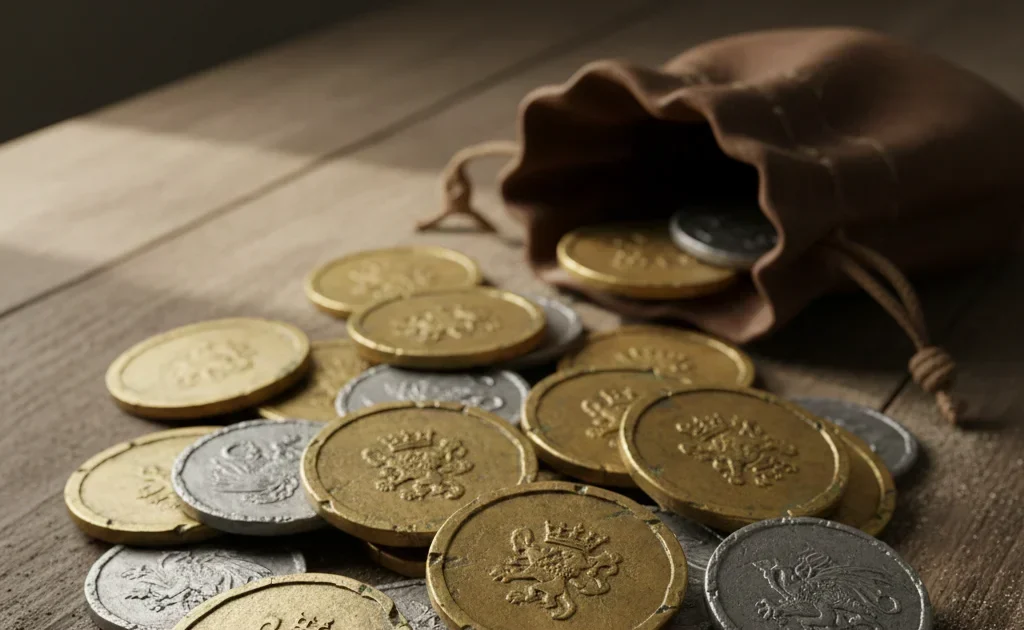
Are you a precious metal investor or collector who’s concerned about purchasing counterfeit bullion? The rise in fake gold and silver coins can be alarming, especially when you’re trying to build your wealth or add rare items to your collection. If you’ve ever wondered how to spot fake gold and silver coins, you’re not alone. Did you know that an estimated $1.5 billion worth of counterfeit coins enter the market every year? The counterfeit coin industry is growing, and without proper knowledge, even the most experienced collectors can fall victim. But fear not—this article provides a comprehensive checklist to help you detect fake coins and avoid costly mistakes. By the end of this guide, you’ll have actionable tips and expert advice to confidently identify counterfeit bullion and ensure that you’re investing in the real deal. How Can You Detect Fake Gold and Silver Coins? 1. What Are the Common Signs of Fake Gold and Silver Coins? Fake coins often exhibit certain signs that are easy to spot if you know what to look for. Here are some common traits: Weight and Size: Genuine gold and silver coins adhere to specific weight and size standards. A counterfeit coin may feel lighter or heavier than it should. For instance, a standard gold coin like the American Gold Eagle weighs 1 troy ounce (31.1 grams). If the coin deviates from this, it’s a red flag. Magnetic Properties: Real gold and silver are not magnetic. Use a magnet to check the coin—if it sticks, it’s definitely a fake. This method is especially useful for detecting base metal fakes that have been coated with gold or silver. Appearance and Finish: Fake coins often have a different appearance, like uneven finishes, rough edges, or visible flaws. Real gold and silver coins are typically polished to a mirror-like finish with intricate, high-quality designs. Pro Tip: Invest in a good digital scale and a magnet. These tools will help you immediately identify any discrepancies in the weight or magnetic properties of the coin. 2. How Do You Check the Coin’s Authenticity with a Simple Scratch Test? The scratch test is a quick way to check the authenticity of your coin, especially when dealing with gold. Here’s how you can do it: Gold Coins: Take a small, inconspicuous part of the coin and gently scratch it with a sharp object. Real gold will show a faint yellow streak, while fake gold (often made of a base metal like copper) will leave behind a different color, such as brown or silver. Silver Coins: Silver coins can be scratched in the same manner. However, make sure you don’t damage the design of the coin as you test it. Important: This method is best for testing the coin’s surface layer but doesn’t account for coins that are hollow or coated. 3. What Is the Density Test, and How Does It Help You? The density test involves calculating the density of the coin and comparing it to the known density of the precious metal. Gold: Real gold has a density of about 19.32 grams per cubic centimeter. To perform the test, you need to measure the volume of the coin by submerging it in water and measuring the displacement. Afterward, divide the coin’s weight by the volume to determine its density. Silver: Silver has a density of about 10.49 grams per cubic centimeter. The same method applies: measure the displacement of water, and calculate the density. If the result is lower than expected, the coin is likely fake. Pro Tip: This test is highly accurate, but it can be a bit time-consuming. If you’re not confident with this method, consider sending the coin to a professional. 4. Can You Use a Coin’s Serial Number or Mint Mark for Authentication? Many authentic coins, especially limited-edition or commemorative coins, come with unique serial numbers or mint marks that can be traced back to the mint. Checking these features is one of the best ways to authenticate your coin: Serial Numbers: Genuine coins often come with a serial number on the edge or a special spot that’s easily verified with the mint. Mint Marks: These small letters (usually near the coin’s design) indicate the mint that produced the coin. By researching the mint mark, you can confirm whether the coin was made at the proper facility. Real-World Example: The 2012 Australian Kangaroo 1oz Gold Coin has a small “P” mintmark indicating it was struck at the Perth Mint. This mint mark can be cross-referenced with the official records to verify authenticity. 5. How Does the Sound Test Work? The sound test can be a fun and effective way to detect fake gold and silver coins. This test works best for coins with solid metal content and high purity, like 999.9 gold or silver. Gold Sound Test: When you drop a real gold coin on a hard surface, it will produce a distinct “clink” sound—soft, smooth, and resonating. A fake gold coin (typically made of less dense or hollow metal) will create a dull thud. Silver Sound Test: Silver produces a similar ringing sound, but it’s slightly higher-pitched compared to gold. Pay attention to the clarity of the sound. A dull sound usually indicates a fake. Expert Insight: While this test is useful, it’s more of a supplementary check than a foolproof method. It’s important to combine this with other tests for accurate results. How to Authenticate a Coin Professionally? 6. Should You Use Professional Coin Authentication Services? When in doubt, especially when dealing with high-value coins, it’s worth sending your coin to a professional authentication service. These services use advanced tools and techniques to verify the authenticity of a coin. Some of the most well-known services include: PCGS (Professional Coin Grading Service) NGC (Numismatic Guaranty Corporation) ANA (American Numismatic Association) These services will not only verify your coin but also grade it based on its condition, which can increase its market value. Pro Tip: Keep in mind that professional authentication services often charge fees,
