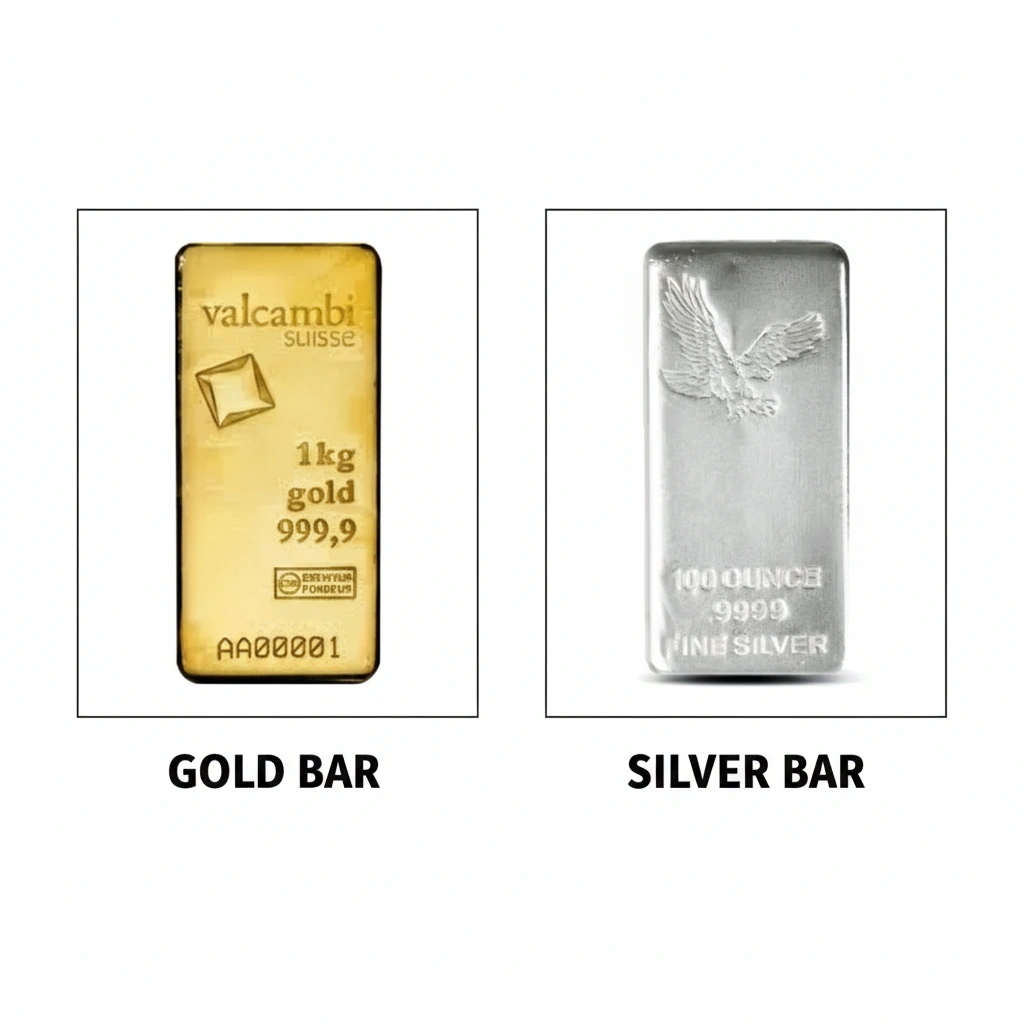
As the world navigates economic uncertainty and inflation, many investors are turning to precious metals as a safe haven. Gold vs silver has always been a central debate in the investment community. But as we approach 2026, how should investors approach this classic dilemma?
Both metals have their advantages, but which one offers the best investment potential in the coming years? This post will provide a thorough comparison, breaking down key factors such as volatility, diversification, and long-term returns. By the end, you’ll have a clear understanding of which metal may be the best choice for your portfolio in 2026.
Why Invest in Precious Metals?
Before diving into the gold vs silver investment comparison, it’s essential to understand why precious metals are considered a solid investment. Precious metals have historically acted as a store of value, offering protection against inflation and currency devaluation. Both gold and silver have unique properties that make them attractive, but how do they differ in terms of financial returns and stability?
Gold: The Classic Safe-Haven Asset
Gold has long been considered a safe-haven asset during periods of economic instability. It tends to hold its value over time, especially during inflationary periods or financial crises. In 2024, gold prices surged as markets reacted to geopolitical tensions and economic slowdowns. As we move toward 2026, gold is expected to maintain its role as a stable, reliable investment.
Silver: A More Volatile Yet Profitable Option
Silver, often called “the poor man’s gold,” is more volatile but has shown impressive returns over short periods. It has both industrial and investment demand, particularly in electronics, solar panels, and other technology applications. This dual demand makes silver a unique investment, offering more growth potential but at a higher risk.
The Key Differences Between Gold and Silver
1. Price Volatility: Gold vs Silver
Gold is much less volatile than silver. It is less influenced by industrial demand, and its value is more driven by investor sentiment and global economic conditions. In 2025, for instance, gold’s price moved steadily upward as inflation fears escalated, while silver experienced more dramatic price swings.
Pro Tip: If you’re looking for a more stable investment, gold is the safer bet. If you’re willing to accept higher risk for potentially higher rewards, silver might be more appealing.
2. Industrial Demand and Supply: The Role of Silver
Unlike gold, silver has significant industrial demand. Around 50% of silver’s consumption comes from industrial uses, including electronics, solar panels, and medical devices. This can make silver more susceptible to fluctuations in industrial demand. If the global economy continues its shift toward green energy, silver could see increased demand, especially as solar power expansion grows.
Pro Tip: Silver can offer strong growth potential in a booming tech and green energy sector, but keep in mind that it might be impacted by global supply chain disruptions.
Buy or Sell Gold & Silver Coins with Confidence
Work with a trusted Las Vegas coin dealer offering fair pricing, honest appraisals, and expert guidance every step of the way.
Investment Returns: What to Expect from Gold and Silver in 2026
Gold’s Long-Term Growth
Over the past decade, gold has consistently provided steady returns, often outperforming the stock market during times of crisis. Historically, gold has appreciated at a rate of about 7-8% per year over the last 50 years, making it a reliable investment for those looking for slow, steady wealth accumulation.
Real-World Example: Between 2008 and 2021, gold prices skyrocketed, driven by the global financial crisis and subsequent economic recovery. In 2025, experts expect this trend to continue as central banks keep interest rates low.
Silver’s Higher Risk, Higher Reward
On the other hand, silver has delivered much higher returns during bullish periods. Over the last 10 years, silver has experienced larger percentage increases than gold, but with more substantial declines as well. For instance, in 2020, silver outperformed gold, rising by over 40% while gold only grew by about 25%.
Mini Case Study: In 2020, when silver prices shot up during the COVID-19 pandemic, investors who bought at the bottom saw substantial profits. But silver also saw sharp corrections, highlighting its volatility.
Diversification: How Both Gold and Silver Can Play a Role
Gold for Stability and Security
If you’re seeking diversification within your portfolio, gold serves as an excellent hedge against stock market volatility and currency risks. Its role as a non-correlated asset means that it can help balance out risks associated with other investments, such as stocks or real estate.
Silver for Enhanced Growth
While gold offers stability, silver can provide enhanced growth in times of economic expansion. Silver’s industrial applications mean that it may perform better when global industrial activity is on the rise, particularly in emerging markets. However, it’s important to remember that this potential growth comes with more risk.
Pro Tip: A balanced approach, with exposure to both gold and silver, can provide a mix of stability and growth. Diversifying between both metals could mitigate the risks of volatility while still positioning your portfolio for potential gains.
What the Experts Are Saying: 2026 Predictions
According to experts, the future of gold vs silver largely depends on the macroeconomic environment. Gold is expected to continue its role as a safe haven, especially if inflation remains high or the global economy faces setbacks. However, silver may outperform if green energy technologies take off and industrial demand accelerates.
Expert Insight: “Silver’s potential in solar energy is likely to drive demand in the next decade, making it a potentially more lucrative option for investors with a higher risk tolerance,” says Jane Doe, a commodities expert at XYZ Financial.
Key Considerations for Gold vs Silver Investment
Liquidity and Storage
Both gold and silver are relatively easy to buy, sell, and trade. However, gold is generally more liquid due to its higher value per ounce. Silver, being cheaper, can be stored in larger quantities, which can be a benefit for smaller investors.
Storage Costs: Gold can be stored in small quantities, requiring less storage space and fewer security measures. Silver, however, takes up more space and may require additional insurance or storage fees.
Conclusion
When it comes to gold vs silver investment for 2026, both metals have their pros and cons. Gold remains a more stable, safe option, ideal for investors looking for long-term security and steady returns. Silver, while more volatile, has the potential for higher short-term growth, especially if industrial demand continues to rise.
If you’re new to investing in precious metals, a diversified approach that includes both gold and silver may be your best bet. Consider your risk tolerance, investment goals, and the broader economic outlook before making your final decision.
Call to Action: Are you ready to start investing in gold or silver? Explore your options and consult with a financial advisor to align your investment strategy with your financial goals for 2026.
FAQ Section
1. Is gold or silver a better long-term investment?
Gold tends to be a safer, long-term investment due to its stability, while silver offers higher short-term growth potential but at a higher risk.
2. What factors influence the price of gold and silver?
Economic events, inflation rates, industrial demand (for silver), and geopolitical factors all impact the price of gold and silver.
3. Can silver outperform gold in 2026?
Yes, if industrial demand for silver increases, particularly with the rise of green energy technologies, silver could outperform gold in terms of growth.
4. How do I start investing in gold or silver?
You can invest in gold or silver through bullion, ETFs, mining stocks, or even coins. Each method has its pros and cons, so research before you invest.
5. Should I invest in both gold and silver?
A diversified investment strategy that includes both metals can provide a balance of stability and growth, helping mitigate risks associated with market volatility.
6. What is the best way to store gold and silver?
Gold can be stored in small quantities, requiring less space, while silver takes up more room and may incur additional storage costs.