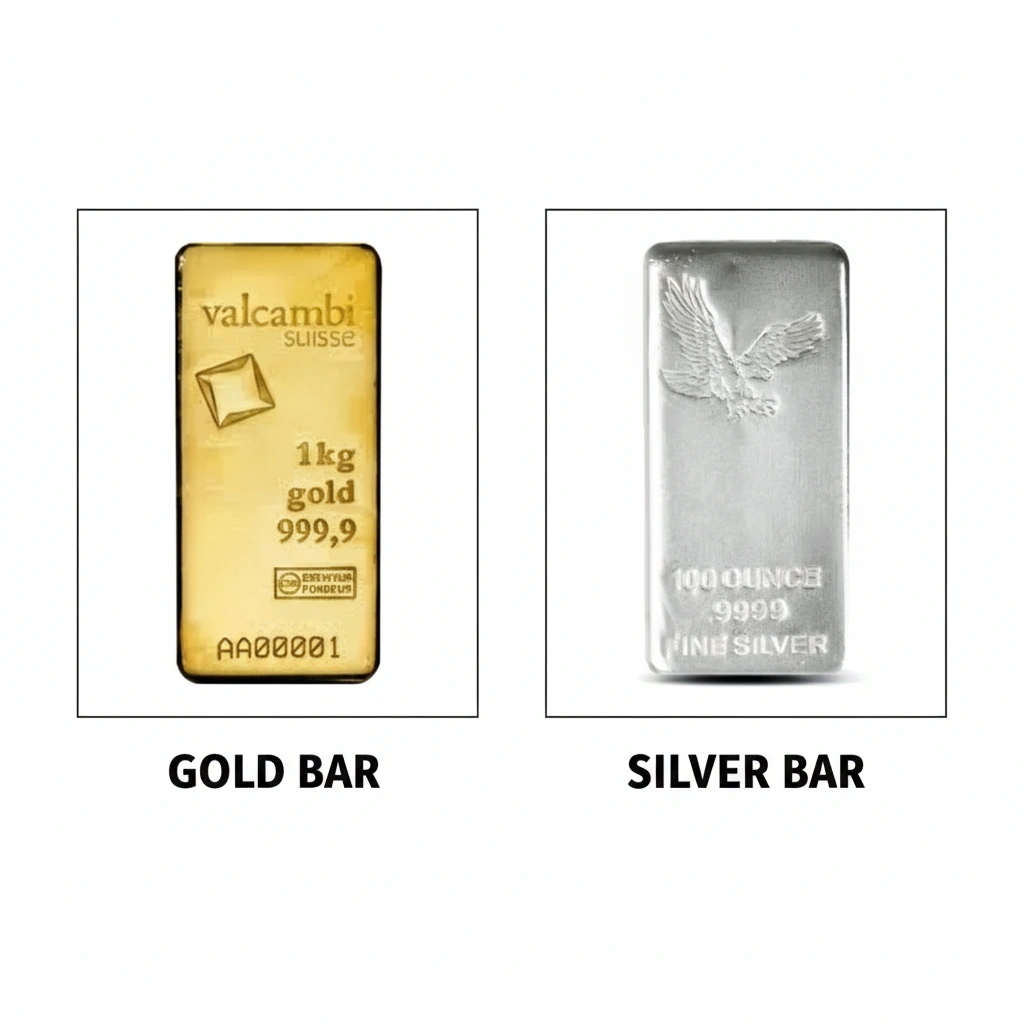
As an investor, you may be looking at various forms of precious metals for portfolio diversification, and two major types of coins often surface: bullion vs numismatic coins. But how do you decide which one to invest in? Should you lean towards the consistent and stable value of bullion or the potential for high returns with numismatic coins? This post will dive deep into bullion vs numismatic coins, providing you with a clear understanding of their differences and offering insights to help you make an informed decision for 2026 and beyond.
When considering Bullion vs Numismatic Coins, investors often view bullion coins as a safer and more liquid option, ideal for those seeking stable returns and easy trading. Numismatic coins, on the other hand, can provide opportunities for higher profits due to their rarity and collector value, though they come with greater risk. Understanding the differences between these coins, how they align with your investment goals, and their potential long-term performance in precious metals markets is essential for making informed decisions.In this guide, you will learn about the key differences between bullion and numismatic coins, their pros and cons, and which one might suit your investment strategy based on the economic landscape in 2026.
What Are Bullion Coins?
Bullion coins are primarily bought and sold based on their metal content—gold, silver, platinum, or palladium—and their value is closely tied to the current market price of that metal. These coins are typically produced by government mints and are a direct investment in the metal’s value.
Key Features of Bullion Coins:
- Melt Value: The price of a bullion coin is directly linked to the melt value of its metal, meaning it is primarily valued based on the amount of precious metal it contains.
- High Liquidity: Since their value is easily determined based on the weight and purity of the metal, bullion coins are highly liquid and can be sold relatively easily.
- Widely Recognized: Coins like the American Gold Eagle, Canadian Maple Leaf, and the South African Krugerrand are known globally, making them easier to trade.
Pro Tip: Bullion coins are ideal for investors looking for a stable store of value and a hedge against inflation.
What Are Numismatic Coins?
When comparing Bullion vs Numismatic Coins, numismatic coins are valued not just for their precious metal content but also for their rarity, historical significance, condition, and demand among collectors. While bullion coins derive most of their worth from metal value, numismatic coins can command much higher prices due to these additional factors.
Key Features of Numismatic Coins:
- Rarity & Demand: The value of numismatic coins is determined by how rare and in-demand they are. Collectors might value a specific year or design more highly than others, driving up the price.
- Price Volatility: Numismatic coins tend to be more volatile compared to bullion coins. Their prices are influenced by collector trends, historical events, and auction results, in addition to the underlying metal value.
- Condition Matters: The condition of a numismatic coin significantly impacts its value. Coins in mint condition can command a much higher price.
Expert Insight: Numismatic coins are not for the faint-hearted. They require specialized knowledge and patience, as their value can fluctuate dramatically depending on market trends and collector interest.
Bullion vs Numismatic Coins: Key Differences
To better understand the differences between bullion and numismatic coins, let’s break them down in a side-by-side comparison:
| Factor | Bullion Coins | Numismatic Coins |
| Value | Based on metal content (gold, silver, etc.) | Based on rarity, condition, and demand |
| Liquidity | Highly liquid and easily sold | Less liquid due to reliance on collectors |
| Price Stability | Stable, reflects market prices for metals | Can be volatile, influenced by trends |
| Investment Horizon | Suitable for long-term holding | Can be more speculative, short- to long-term |
| Risk Level | Lower risk due to metal price stability | Higher risk due to fluctuating demand |
| Examples | American Gold Eagle, Canadian Maple Leaf | Rare historical coins, limited editions |
Pro Tip: If you’re looking for more predictable, stable returns, bullion coins are your best bet. But if you enjoy the thrill of collecting rare items and have a long-term investment outlook, numismatic coins might be more appealing.
Why Invest in Bullion Coins?
Bullion coins are generally regarded as a safer investment choice for several reasons:
- Market-Driven Pricing: Bullion coins are valued based on global metal prices, which means they are directly impacted by the economic conditions, geopolitical events, and inflation rates. For example, when the price of gold rises, the value of gold bullion coins tends to follow suit.
- Lower Barriers to Entry: Bullion coins are easy to purchase and require little expertise. Whether you’re investing in silver, gold, or platinum, the value is straightforward and based on the weight and purity of the metal.
- Hedge Against Inflation: Precious metals, including bullion coins, are commonly viewed as a hedge against inflation. As the value of paper currency decreases over time, the value of precious metals tends to rise.
Real-World Example: During the financial crisis of 2008, gold bullion coins saw a surge in demand as investors flocked to precious metals to protect their wealth. This trend continued in 2020 during the COVID-19 pandemic as investors sought stable investments amidst economic uncertainty.
Buy or Sell Gold & Silver Coins with Confidence
Work with a trusted Las Vegas coin dealer offering fair pricing, honest appraisals, and expert guidance every step of the way.
Why Invest in Numismatic Coins?
When deciding between Bullion vs Numismatic Coins, investing in numismatic coins offers potential for higher returns, but it’s not without risk. Here’s why you might consider them for your portfolio:
- Appreciation Beyond Metal Value: While numismatic coins do contain precious metals, their primary value lies in their rarity and historical significance. A coin that’s part of a limited series or has historical importance can see its value increase exponentially.
- Collectibility: Numismatic coins often have a strong following among collectors, and rare finds can fetch prices far beyond the value of their metal content. Over time, certain coins become highly sought after, making them valuable long-term assets.
- Diversification: Numismatic coins offer a form of investment that’s less correlated with the broader market or metal prices. While precious metal prices rise and fall with the global economy, numismatic coins are influenced by a different set of factors, offering potential diversification for your portfolio.
Real-World Example:
The 1933 Double Eagle gold coin, which was originally struck in the U.S. but never circulated, sold for over $18 million at auction in 2021, far surpassing its melt value.
Which Should You Choose? Bullion or Numismatic Coins?
The decision between Bullion vs Numismatic Coins depends on your investment goals, risk tolerance, and interest in collecting. Here’s a summary of which type of coin may be the best fit for your portfolio:
Choose Bullion Coins if:
- You are a conservative investor looking for stability.
- You want a more predictable, liquid investment.
- You prefer the ease of understanding and trading.
- You want to protect against inflation and economic volatility.
Choose Numismatic Coins if:
- You are passionate about collecting rare items with the potential for high returns.
- You have the time and knowledge to track market trends and evaluate coins.
- You’re willing to take on more risk in exchange for the possibility of higher rewards.
- You want to diversify your portfolio with an asset class that has a different risk profile from traditional markets.
Conclusion
When considering Bullion vs Numismatic Coins, both types have their unique advantages, and the right choice will depend on your personal preferences and investment goals. If you’re seeking stability and predictability, bullion coins may be the best option. However, if you’re an experienced collector and can tolerate volatility, numismatic coins might offer the thrill and potential for greater returns.
As we head into 2026 and beyond, understanding Bullion vs Numismatic Coins is essential. Consider the broader economic environment, your risk appetite, and how each type of coin aligns with your long-term wealth-building strategy. By understanding the differences and assessing your goals, you can confidently decide which type of coin investment is right for you.
FAQ Section
1. What are bullion coins?
Bullion vs Numismatic Coins differ in how they are valued. Bullion coins are primarily valued for their precious metal content, such as gold, silver, or platinum, and their worth is tied to the current market price of the metal.
2. Are numismatic coins a good investment?
When comparing Bullion vs Numismatic Coins, numismatic coins can offer high returns due to their rarity, condition, and historical significance. However, they come with higher risk and less liquidity than bullion coins.
3. What’s the difference between bullion and numismatic coins?
Bullion vs Numismatic Coins differ in valuation: bullion coins are valued based on metal content, while numismatic coins are valued for their rarity, demand, and historical significance.
4. Which is better for long-term investment: bullion or numismatic coins?
When evaluating Bullion vs Numismatic Coins, bullion coins are typically a safer, long-term investment due to their stability, while numismatic coins may offer higher returns but come with more risk.
5. How do I start investing in bullion or numismatic coins?
For bullion coins, you can start by buying from recognized dealers or mints. For numismatic coins, it’s essential to educate yourself on the market and seek advice from experienced collectors or dealers.
6. What factors affect the value of numismatic coins?
When considering Bullion vs Numismatic Coins, the value of numismatic coins is influenced by their rarity, condition, historical importance, and demand among collectors.
7. Can I sell my bullion coins easily?
When comparing Bullion vs Numismatic Coins, yes, bullion coins are highly liquid and can be sold easily based on the current market price of the metal they contain.