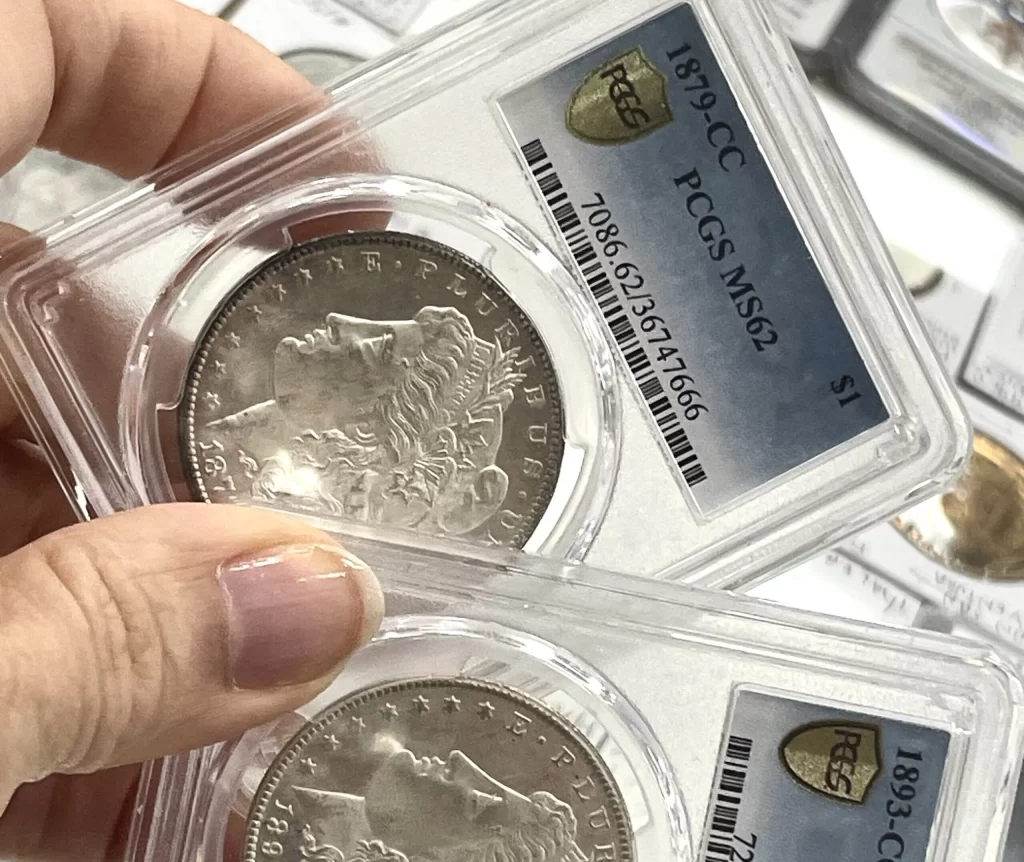
Have you ever heard someone say, “Cleaning your coins will increase their value”?
If you’ve been involved in coin collecting, you’ve probably encountered a variety of myths that can mislead both new and seasoned collectors alike. While the allure of coin collecting can be incredibly exciting, it’s crucial to separate fact from fiction to avoid costly mistakes.
In this blog post, we’ll debunk the 10 most common myths about coin collecting. Whether you’re just starting out or looking to refine your expertise, this guide will help you make informed decisions and avoid the pitfalls many collectors face.
By the end, you’ll have a clearer understanding of the true value of coins and how to protect your collection from myths that might diminish its worth. Let’s dive into the truth!
1. Myth #1: Cleaning Coins Increases Their Value
Does cleaning your coins make them more valuable?
The truth is, cleaning your coins can actually decrease their value. Many collectors believe that cleaning dirt or tarnish will enhance the coin’s appearance and thus its value. However, cleaning can scratch or damage the surface, which significantly lowers the coin’s grade. A coin’s grade is a key determinant of its value in the numismatic market, and any alteration to its surface can result in a decrease in that grade.
Pro Tip: If your coins are tarnished, it’s best to leave them as they are or seek professional advice from a numismatist.
2. Myth #2: Rare Coins Are Always Valuable
Are rare coins always worth a fortune?
While rare coins tend to be more valuable, rarity does not guarantee high value. The condition (grade), demand, and historical significance of the coin also play a crucial role in determining its worth. Some rare coins, like those minted during times of war or crisis, might have little demand and therefore hold lower value despite their rarity.
Expert Insight: A rare coin might be common in its specific numismatic niche, and without collectors actively seeking it, its price may not reach astronomical levels.
3. Myth #3: Coin Collecting is Only for the Wealthy
Do you need a fortune to start collecting coins?
No, you don’t need to be a millionaire to get involved in coin collecting. While some high-end coins can command large sums, there are many affordable coins available that still hold significant historical or numismatic value. Starting with smaller, more accessible coins can be a great way to begin building a collection without breaking the bank.
Pro Tip: Start with modern coins or coins from your country of origin to gradually familiarize yourself with the market.
4. Myth #4: Only Gold and Silver Coins Have Value
Are only gold and silver coins worth collecting?
Many collectors focus on gold and silver coins, believing that these are the only coins of value. While precious metals do play a role in the value of a coin, many non-precious coins can be highly valuable as well. Coins made of copper, nickel, or even paper can be valuable based on their rarity, historical significance, or collector demand.
Real-World Example: The 1943 copper penny, a mistake coin, is worth far more than its face value, even though it’s not made of precious metal.
5. Myth #5: You Can Easily Spot a Fake Coin
Is it easy to tell a fake coin from a real one?
Counterfeiters are getting better at producing fake coins, and it’s not always easy for the untrained eye to spot them. Modern technology allows counterfeit coins to be nearly identical to their authentic counterparts. Therefore, it’s important to rely on experts or use specialized equipment to authenticate coins rather than assuming you can easily tell the difference.
Expert Insight: Always seek a reputable coin dealer or grading service for coin verification.
6. Myth #6: Coins from Every Year Are Collectible
Is every coin from every year collectible?
Not every coin from every year is worth collecting. While coins can gain value over time, only certain coins—those with unique characteristics or historical significance—tend to become highly sought after by collectors. A coin from a certain year may be produced in high quantities and have little demand in the future.
Pro Tip: Look for coins that are rare due to limited mintages, errors, or unique features.
7. Myth #7: The Coin’s Face Value Is Its Real Value
Does the face value of a coin reflect its true worth?
The face value of a coin has little to no bearing on its actual value. For example, a coin with a face value of one dollar might be worth hundreds or even thousands of dollars if it’s rare, in good condition, or historically significant. The numismatic value of a coin is determined by factors such as rarity, condition, and collector demand, not its face value.
8. Myth #8: Grading Coins is Just a Marketing Scheme
Is coin grading just a marketing ploy?
Grading coins is a crucial part of numismatics, and it’s far more than a marketing tool. The grade of a coin directly impacts its value, and a reputable grading system helps establish consistency and fairness in the marketplace. Whether a coin is graded MS-70 or AU-50, the grade reflects its condition and, in turn, its market value.
Real-World Example: A coin graded at MS-70 can sell for significantly more than the same coin in a lower grade, even if both were minted in the same year.
9. Myth #9: Coins Should Be Stored in Plastic Bags
Is storing coins in plastic bags a safe practice?
Storing coins in plastic bags or envelopes can be harmful. Over time, plastic can cause coins to tarnish, discolor, or become damaged. Coins should be stored in proper holders such as acid-free flips, capsules, or albums specifically designed for coin storage.
Pro Tip: Ensure that any materials you use to store your coins are non-reactive and provide adequate protection against the elements.
10. Myth #10: Coin Collecting Is a Quick Way to Make Money
Can coin collecting make you rich quickly?
Coin collecting is a long-term investment, and it’s not a get-rich-quick scheme. The value of coins often increases over time, but only if you’re patient and knowledgeable about the market. Many collectors focus on building their collections for personal enjoyment rather than for financial gain, and that’s the best mindset to approach the hobby with.
Expert Insight: If you are in coin collecting for profit, consider it a long-term game rather than an immediate payoff.
Conclusion:
As we’ve debunked these common myths about coin collecting, you now have a clearer understanding of what makes a coin valuable and how to navigate the world of numismatics. Whether you’re a seasoned collector or just starting out, it’s essential to avoid these misconceptions and approach your collection with a knowledgeable mindset.
Remember, the true value of a coin is determined by much more than its metal content or rarity. It’s the grade, condition, and market demand that truly drive a coin’s worth.
Call to Action:
Are you ready to dive deeper into the world of coin collecting? Start by researching reputable coin dealers, attending auctions, or joining online numismatic communities. The more you learn, the better equipped you’ll be to make sound investment decisions and grow your collection.
FAQs
1. What is the best way to store my coins?
To properly store your coins, use coin capsules or acid-free holders designed to protect them from the elements. Avoid plastic bags, as they can damage the coins over time.
2. How do I know if my coin is rare?
The rarity of a coin depends on its mintage, condition, and collector demand. You can consult coin guides or a professional appraiser to help determine its rarity.
3. Why shouldn’t I clean my coins?
Cleaning coins can scratch or damage their surfaces, which can decrease their grade and value. If your coins need cleaning, it’s best to consult a professional.
4. How do I authenticate a coin?
The most reliable way to authenticate a coin is to use a professional grading service or seek the advice of a reputable numismatist. They can use specialized tools to verify its authenticity.
5. Can I sell my coins for a profit?
Yes, but coin collecting is a long-term investment. To sell for a profit, you need to understand the market, the value of your coins, and the right time to sell.