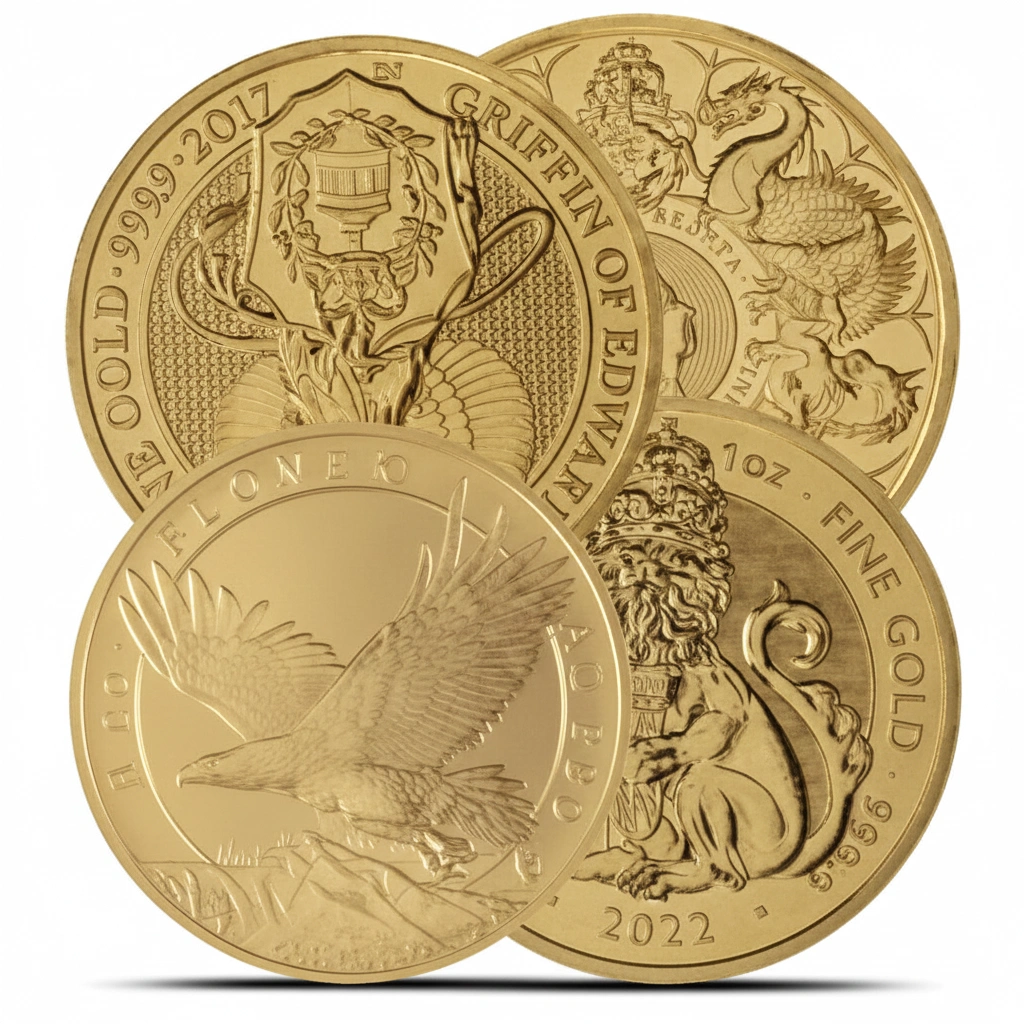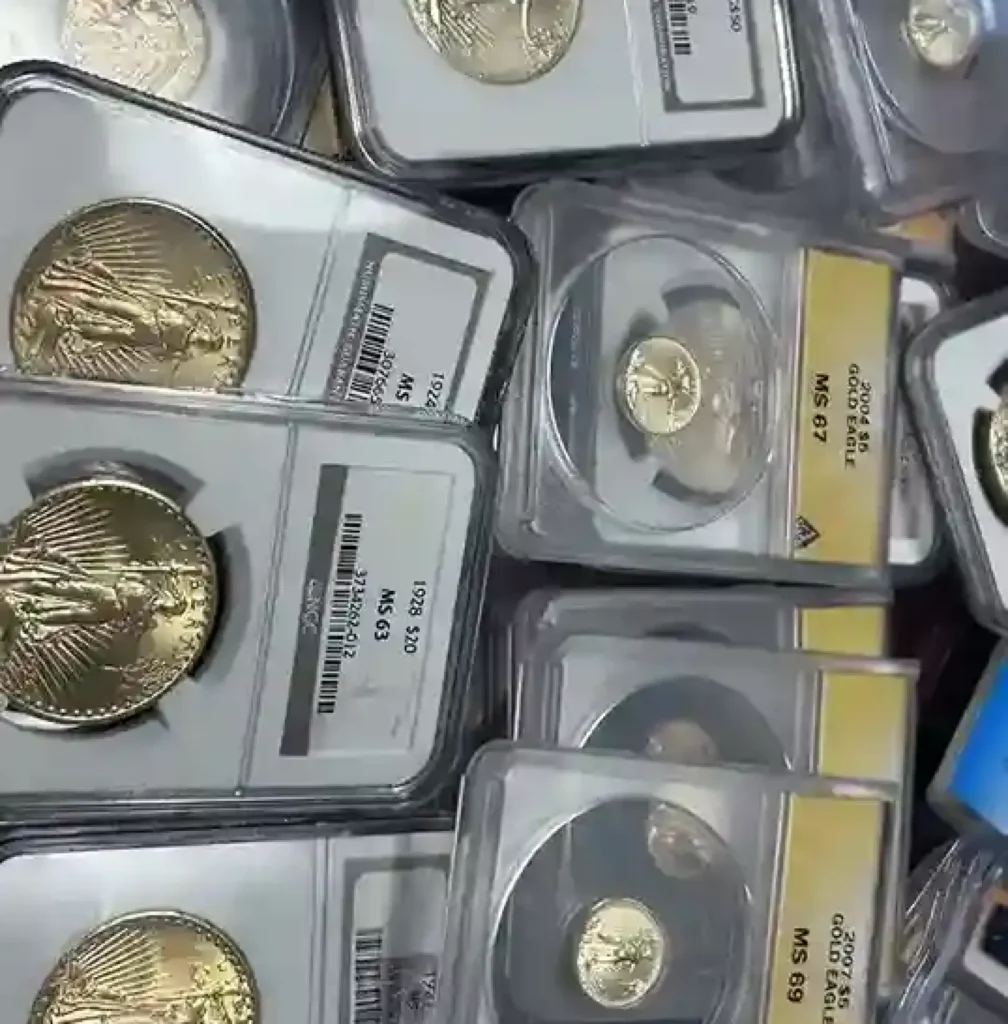
Are you concerned about the safety of your gold and silver investments at home?
In today’s world, where economic uncertainty is common, many individuals turn to precious metals like gold and silver as a hedge against inflation and market volatility. However, owning these valuable assets comes with the responsibility of ensuring they are stored securely. Improper storage can lead to significant losses due to corrosion, theft, or damage.
Whether you’re a seasoned collector or just starting your journey into precious metals, knowing how to store gold and silver safely is essential to preserving their value. In this guide, we’ll walk you through expert-backed tips and methods for storing your bullion at home. You’ll learn about humidity control, corrosion prevention, and the best physical storage solutions to keep your precious metals safe for years to come.
By the end of this article, you’ll be equipped with the knowledge to safeguard your gold and silver and ensure that your investment remains intact.
Why Proper Storage for Gold and Silver is Crucial
Storing gold and silver properly isn’t just about protecting them from theft. The long-term preservation of your precious metals depends on how well you mitigate environmental factors that could lead to corrosion and deterioration.
Key threats to bullion:
- Humidity: Excess moisture can cause oxidation or tarnishing.
- Temperature fluctuations: Rapid changes in temperature can stress metal, leading to potential damage.
- Physical damage: Scratches, dents, and other wear can diminish the aesthetic and market value.
Understanding Humidity Control for Precious Metals
Humidity is one of the leading factors in the degradation of precious metals, especially silver. If silver is exposed to excessive moisture, it can tarnish, resulting in a dull appearance that can lower its value.
How to control humidity:
- Use desiccants: Silica gel packs or other moisture-absorbing materials can be placed in storage containers.
- Invest in a dehumidifier: For a larger storage space, such as a safe or vault, a dehumidifier helps maintain optimal humidity levels.
- Seal bullion in airtight containers: If you’re storing your precious metals in small quantities, airtight containers with silica gel packets can provide effective moisture control.
Corrosion Prevention Tips for Gold and Silver
Although gold is highly resistant to corrosion, silver and other alloys may develop tarnish over time, especially in humid environments.
Effective corrosion prevention methods:
- Use protective covers: Consider wrapping your silver coins or bars in acid-free tissue paper before sealing them in bags or boxes.
- Coat with protective film: A protective film or cloth can act as a barrier between your bullion and the environment.
- Store away from chemicals: Keep metals away from cleaning products or chemicals that may cause tarnishing or corrosion.
Pro Tip:
Store your precious metals in a cool, dry, and dark place. Avoid areas that are prone to temperature swings, such as attics or basements.
Best Storage Methods for Home Use
When it comes to storing precious metals at home, security and protection are paramount. The best storage method will depend on your space, the quantity of bullion, and how often you need access.
Buy or Sell Gold & Silver Coins with Confidence
Work with a trusted Las Vegas coin dealer offering fair pricing, honest appraisals, and expert guidance every step of the way.
Home Safes
- Pros: Secure, private, and convenient for quick access.
- Cons: Can be bulky and expensive.
- Expert Insight: Choose a safe that is fireproof and waterproof, and ensure it’s securely anchored to the ground. Look for safes with at least a 2-hour fire rating and a high security level.
Safety Deposit Boxes
- Pros: Top-notch security and protection against theft and fire.
- Cons: Limited access hours and potential fees.
- Pro Tip: While safety deposit boxes are the gold standard for security, they may not be ideal if you need quick access to your bullion.
Hidden Compartments
-
- Pros: Low cost and privacy.
- Cons: Higher risk of theft if the hiding spot is discovered.
- Expert Insight: If using hidden compartments, consider installing a lockable storage unit or creating a secure, concealed area in your home.
- Pros: Low cost and privacy.
The Role of Temperature Control in Bullion Storage
Gold and silver are precious metals that can expand and contract with temperature fluctuations. To properly store gold and silver, it’s important to maintain consistent temperature control and a stable environment, as sudden changes can cause aesthetic damage to your bullion, such as warping, cracking, or surface imperfections. Proper metal preservation ensures your valuable assets remain in pristine condition.
How to maintain consistent temperature:
- Avoid storing in extreme temperatures: Never store precious metals in places prone to heat, such as near ovens or radiators.
- Use insulated storage containers: These help maintain a consistent temperature within the storage space.
How to Avoid Common Storage Mistakes
Even experienced bullion owners can make mistakes when it comes to storage. Here are some common missteps and how to avoid them:
- Storing in Plastic Bags: While it may seem like an easy storage solution, plastic bags can cause tarnishing or discoloration. Use acid-free materials instead.
- Leaving Bullion Exposed: If you store gold and silver without any protective covering, you risk scratches or tarnishing.
- Not Regularly Checking: You should check on your stored bullion every few months to ensure that no environmental changes (like humidity) are affecting your collection.
Pro Tip:
Conduct regular checks to ensure that your storage conditions remain optimal.
Security Tips for Preventing Theft
Gold and silver are highly valuable, making them prime targets for thieves. Here’s how you can safeguard your collection:
- Secure your storage: Whether using a home safe or a hidden compartment, ensure that your storage is locked and that only trusted individuals know the combination or location.
- Use alarm systems: Consider installing a home security system with monitoring services to alert you to any unauthorized access attempts.
- Insurance: Ensure your gold and silver are covered by a comprehensive insurance policy that includes theft and damage protection.
Alternative Storage Solutions for Precious Metals
For those who prefer not to store gold and silver at home, there are alternative solutions available:
- Private Vault Services: Many companies offer high-security storage solutions for precious metals. This option provides access to vaults with advanced security features, but at a price.
- Bullion Storage via Banks: Some banks offer precious metal storage, providing a higher level of protection than home storage.
FAQ Section
1. What is the best way to store gold at home?
The best way to store gold at home is by using a secure, fireproof, and waterproof safe. Ensure the safe is properly anchored and stored in a cool, dry place.
2. Can silver tarnish if stored at home?
Yes, silver can tarnish if exposed to moisture or humidity. Use desiccants and airtight containers to prevent this from happening.
3. How often should I check my gold and silver storage?
It’s recommended to check your storage every 3-6 months to ensure that environmental conditions haven’t changed and your precious metals are still secure.
4. Is it safe to store gold and silver in plastic bags?
No, plastic bags can cause tarnishing. It’s better to store gold and silver in acid-free materials or protective covers.
5. Should I insure my gold and silver?
Yes, it’s essential to insure your precious metals against theft, damage, and other risks. Ensure your insurance policy covers the full market value of your collection.
6. What are the alternatives to home storage for gold and silver?
Alternatives include private vault services or storing your bullion in a safety deposit box at a bank, both offering higher security than home storage.
Conclusion
In conclusion, to store gold and silver safely at home, it’s essential to combine robust security measures, proper environmental controls, and careful planning. Whether you opt for a high-quality safe, a hidden compartment, or a safety deposit box, the key is to protect your precious metals and bullion from humidity, corrosion, and theft. By ensuring a secure storage environment and taking strategic precautions, you can safeguard your valuable assets for the long term.
With the expert tips and methods shared in this guide, you now have the tools to secure your bullion collection effectively. Remember, regular checks, proper humidity control, and the right storage solutions will keep your gold and silver safe for the long term.
Call to Action: For further advice on bullion storage, or to explore advanced security options, consider consulting with a precious metal storage expert. Stay informed and keep your investments safe!