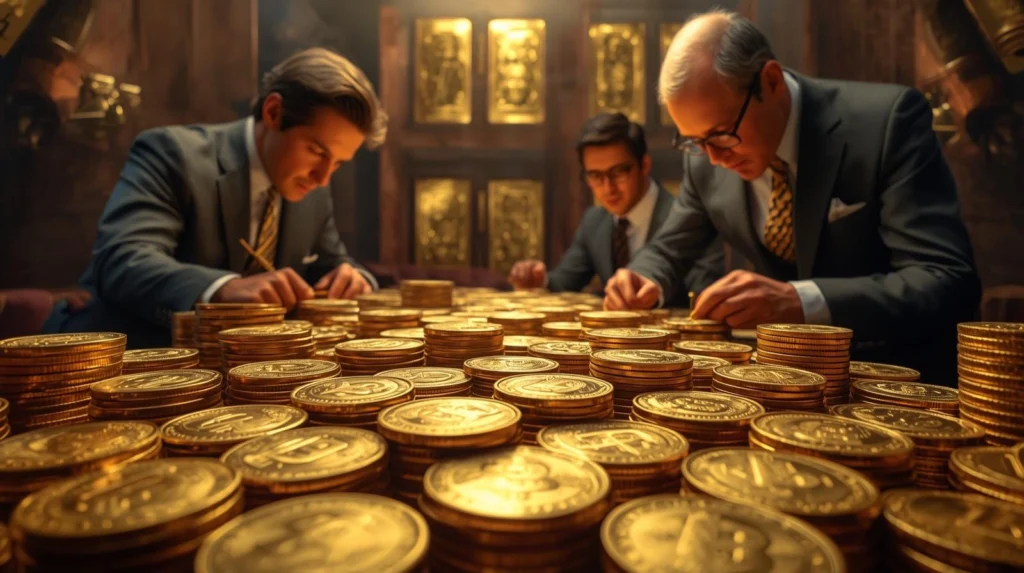
Have you ever wondered how rare coin auctions work and why some coins can reach high market values?
The world of rare coin auctions can seem daunting, but understanding the process, the strategies involved, and what to expect can give you the edge, whether you’re a seasoned collector or a newcomer looking to invest.
Rare coin auctions offer collectors and investors the chance to acquire unique pieces with historical significance, but these auctions come with their own set of rules, bidding tactics, and hidden costs. By the end of this article, you’ll have a deeper understanding of how rare coin auctions function and be equipped with expert bidding strategies to help you secure your next precious piece.
What Makes Rare Coin Auctions Unique?
What is a Rare Coin Auction?
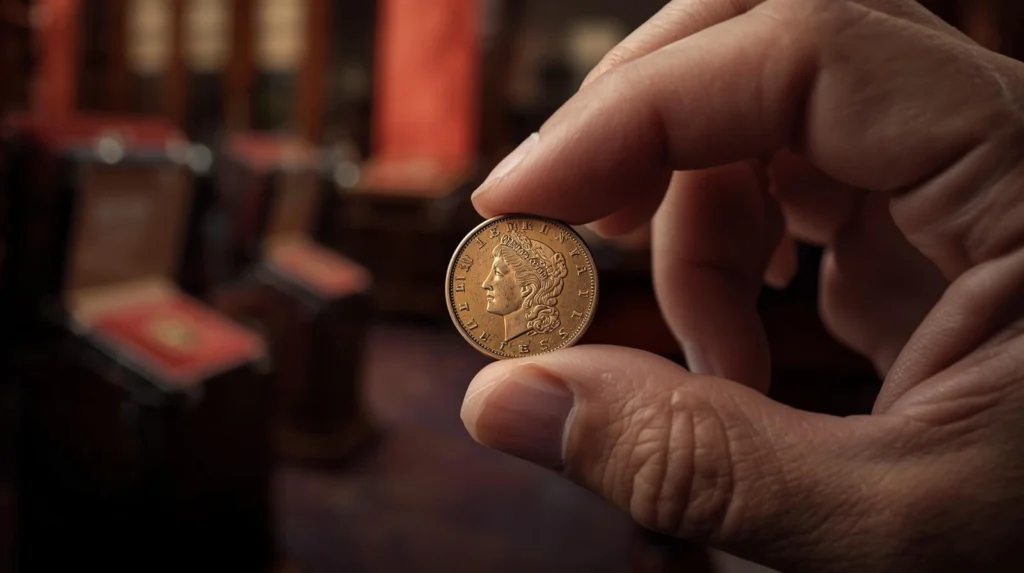
Rare coin auctions are specialized events where valuable coins—often with historical, numismatic, or cultural significance are sold to the highest bidder. These auctions are usually conducted by professional auction houses or online platforms. Unlike traditional auctions where almost anything can be sold, rare coin auctions focus exclusively on numismatic items that are highly sought after for their rarity, condition, and historical importance.
Coins are typically graded by professionals, and the grading scale ranges from Poor (PO-1) to Mint State (MS-70). The higher the grade, the more valuable the coin becomes. Rare coins can include ancient coins, limited-edition mintings, gold, silver, and even commemorative issues.
Key Factors That Drive Auction Prices
Several factors determine how much a coin can fetch at auction. Understanding these elements will give you a competitive edge:
- Rarity: The rarer a coin, the higher its potential value. Coins that were minted in limited quantities or have historical significance (such as those from ancient civilizations) tend to attract higher bids.
- Condition and Grade: Coins in pristine condition, as certified by recognized professional grading services, tend to command premium prices.A coin graded MS-70 (Mint State 70) is considered flawless and can be worth much more than a coin graded lower.
- Demand: Coins that are in high demand, due to trends or collector interests, can see prices increase dramatically. For instance, coins featuring famous historical figures or those minted for special events often attract significant attention.
How to Participate in a Rare Coin Auction
1. Registering for the Auction
Before you can place bids, you need to register with the auction house. Most auction platforms, like Heritage Auctions, require you to create an account, verify your identity, and agree to their terms and conditions. Registration is free, but you may be asked to provide financial information or sign an agreement acknowledging the terms of participation.
Pro Tip: Some auctions may require a deposit or credit check before allowing you to bid on high-value items.
2. Setting Your Budget
Understanding how much you’re willing to spend is critical. Rare coin auctions can quickly become competitive, and prices can soar beyond expectations. Establish a budget before the auction and be prepared to stick to it. Factor in additional costs such as buyer’s premiums and shipping fees, which may vary by auction.
Expert Insight: Some coins may go for far more than expected, especially during bidding wars. Having a clear cap in mind can prevent overspending.
Bidding Strategies for Rare Coin Auctions
1. Researching the Coins
Understanding how coin auctions work starts with thorough research. Knowledge is power when bidding on rare coins, so carefully examine the coins you are interested in, including their history, provenance, and past sale prices. Auction houses usually provide detailed descriptions, and many even include historical context for particularly rare pieces, giving collectors the insights needed to make informed and strategic bids.
Pro Tip: Use recognized coin guides and reference books to gather more information on a coin’s rarity, provenance, and historical value.
2. Timing Your Bids
When it comes to bidding, timing is key. Some bidders prefer to wait until the final moments of the auction (a strategy known as “sniping”) to place their bid. This tactic can prevent other bidders from raising the price too early and allows you to see the full scope of the bidding activity before committing.
However, sniping is a double-edged sword. If you wait too long, you may find yourself outbid or lose the item entirely.
3. Understanding the Bid Increments
Auctions usually have predetermined bid increments, which is the amount by which each bid increases. These increments can vary depending on the current price level. Understanding these can help you gauge how far you’re willing to go before your budget is exhausted.
For example: Bid increments depend on the value of the coin and the auction rules. Higher-value coins generally have larger minimum bid increases.
4. Setting Proxy Bids
Some auction platforms allow you to place a maximum bid, which the system uses to automatically increase your offer incrementally until your limit is reached. If someone else places a bid, the system will automatically increase your bid incrementally until your maximum is reached.
Pro Tip: Proxy bids can help you avoid emotional decisions during the auction and allow the system to handle the bidding for you. However, you still need to be aware of your proxy limit.
What to Expect During a Rare Coin Auction
1. The Bidding Process
Understanding how coin auctions work is essential for anyone looking to acquire rare coins. Once the auction begins, bidding progresses in increments until no higher offers are placed. Participants are expected to stay engaged, either through a live auction stream or by monitoring bids on the auction site. Many auctions also allow absentee bids, enabling collectors to submit their offers in advance without attending the live event, ensuring they remain competitive even from a distance.
2. Winning the Auction
Winning an auction is thrilling, but be prepared for the next steps:
- Payment: After winning, you’ll receive an invoice with instructions on how to pay. Payment methods typically include credit cards, bank transfers, or wire payments.
- Buyer’s Premium: Buyer’s Premium: Auction houses charge a buyer’s premium, which is added to the hammer price (the final bid amount). The percentage varies by auction.
- Shipping and Handling: Once payment is received, the auction house will ship the coin to you, often with insurance to ensure its safe arrival.
Case Study: A rare historical coin recently sold at auction for a record-setting price. The final cost included the buyer’s premium, illustrating the additional charges that can apply in high-value auctions.
Buy or Sell Gold & Silver Coins with Confidence
Work with a trusted Las Vegas coin dealer offering fair pricing, honest appraisals, and expert guidance every step of the way.
Common Mistakes to Avoid in Rare Coin Auctions
1. Not Setting a Budget
It’s easy to get caught up in the excitement of an auction, but failing to set a clear budget can result in overspending. Always know your limits and be prepared to walk away if the price exceeds your threshold.
2. Ignoring the Fine Print
Auction houses often include terms and conditions that bidders must abide by. These may include additional fees, shipping costs, or restrictions on returns. Read all the terms before participating.
3. Overlooking the Auction House Reputation
Not all auction houses are equal. Some specialize in high-end numismatics, while others might not have the same level of expertise or credibility. Researching the auction house’s reputation is crucial to ensuring you’re participating in a trustworthy auction.
FAQ
1. What is the best time to bid in rare coin auctions?
To understand how coin auctions work, one effective strategy is to place your bid in the final moments (last few seconds) to avoid emotional overbidding, while staying prepared in case the auction closes earlier than expected.
2. How can I increase my chances of winning a rare coin auction?
Research the coins, set a clear budget, and use proxy bidding to avoid getting swept up in the heat of the moment.
3. Do rare coin auctions have fees?
Yes, most rare coin auctions charge a buyer’s premium in addition to the winning bid. The exact percentage varies by auction.
4. Can I attend a rare coin auction online?
Yes, many rare coin auctions are held online, allowing you to participate in real-time or place proxy bids.
5. Are all rare coins worth bidding on?
Not all rare coins have high value. The coin’s rarity, condition, and demand will dictate its market price. Always research before bidding.
Conclusion
Rare coin auctions offer an exciting opportunity for collectors and investors to acquire unique items, but understanding the auction process, strategies, and potential pitfalls is essential for success. By learning the bidding process, strategies, and potential pitfalls, you can maximize your chances of securing valuable coins. Thorough research and patience remain the most important tools when participating in rare coin auctions.
Before attending your first auction, familiarize yourself with how coin auctions work by reviewing auction house catalogs, observing past results, and consulting with experts in the field. The world of rare coins is fascinating, and with the right knowledge of auction mechanics, you can confidently navigate the market and make informed investment decisions.