Have you ever wondered why gold and silver are considered valuable assets?
The reason isn’t just because they shine—it’s because they have proven to be reliable hedges against inflation. In times of economic uncertainty, when the value of money declines, investors often turn to precious metals to preserve their wealth.
Inflation erodes the purchasing power of money, making everyday items cost more. However, unlike paper currency, gold and silver hold intrinsic value, which often rises as fiat currency loses value. In this guide, we explore how these precious metals work as an inflation hedge, offering practical insights for protecting your wealth during uncertain economic times.
What You’ll Learn:
- Why gold and silver are considered safe-haven assets
- How they act as protection against inflation
- Practical ways to incorporate precious metals into your wealth strategy
Why Precious Metals Serve as Inflation Hedges
The Historical Value of Precious Metals
Gold and silver have been used as currency for thousands of years. These metals have retained their value through wars, financial crises, and political upheavals. Their intrinsic value comes from rarity, durability, and the fact that they are finite resources. Unlike paper money, which can be printed at will, gold and silver cannot be created out of thin air.
Example: During periods of hyperinflation in history, some currencies lost value rapidly, forcing people to use large amounts of money for basic goods. Meanwhile, gold maintained its purchasing power, proving its reliability as a store of wealth.
Gold as the Ultimate Inflation Hedge
Gold is often referred to as the ultimate hedge against inflation. When inflation rises, the purchasing power of fiat currencies falls, but gold tends to rise in value as a result. The reason for this is simple: as the supply of money increases (a common consequence of inflation), the value of money decreases, and people seek out assets that will retain or increase their value, like gold.
Pro Tip: Historically, gold often moves inversely to major fiat currencies. As currencies weaken due to inflation, gold tends to rise in value, providing protection to investors.
Silver: A Less Expensive Alternative with Similar Benefits
While gold is often the go-to choice for wealth preservation, silver is another excellent option. It’s more affordable than gold, making it accessible to a broader range of investors. Like gold, silver also acts as a store of value during inflationary periods. Silver tends to follow the same market patterns as gold but can experience more volatility due to its smaller market size.
Example: Example: During financial crises, both gold and silver typically rise as investors seek safe-haven assets. Silver can experience higher volatility, leading to larger value swings than gold.
How Inflation Affects the Value of Fiat Currency
The Mechanics of Inflation
Inflation occurs when the prices of goods and services rise, leading to a decrease in the value of money. Central banks, in an effort to stimulate the economy, often print more money. This increase in money supply can lead to a decline in the purchasing power of each unit of currency.
Statistical Insight: Statistical Insight: Inflation averages around 3% per year historically. While this may seem small, it accumulates over time, reducing the value of savings if not properly managed.
How Gold and Silver Combat Inflation
Gold and silver don’t just retain their value during inflation—they often outperform other assets. This is because they are tangible assets with intrinsic value, and their supply is limited. Unlike stocks or bonds, which can be affected by market volatility, the value of gold and silver typically rises during times of inflation or economic uncertainty.
Example: Example: During historical inflation surges, gold prices have risen significantly, providing strong returns to investors who acquired gold beforehand.
How to Invest in Gold and Silver to Protect Wealth
Direct Investment in Physical Metals
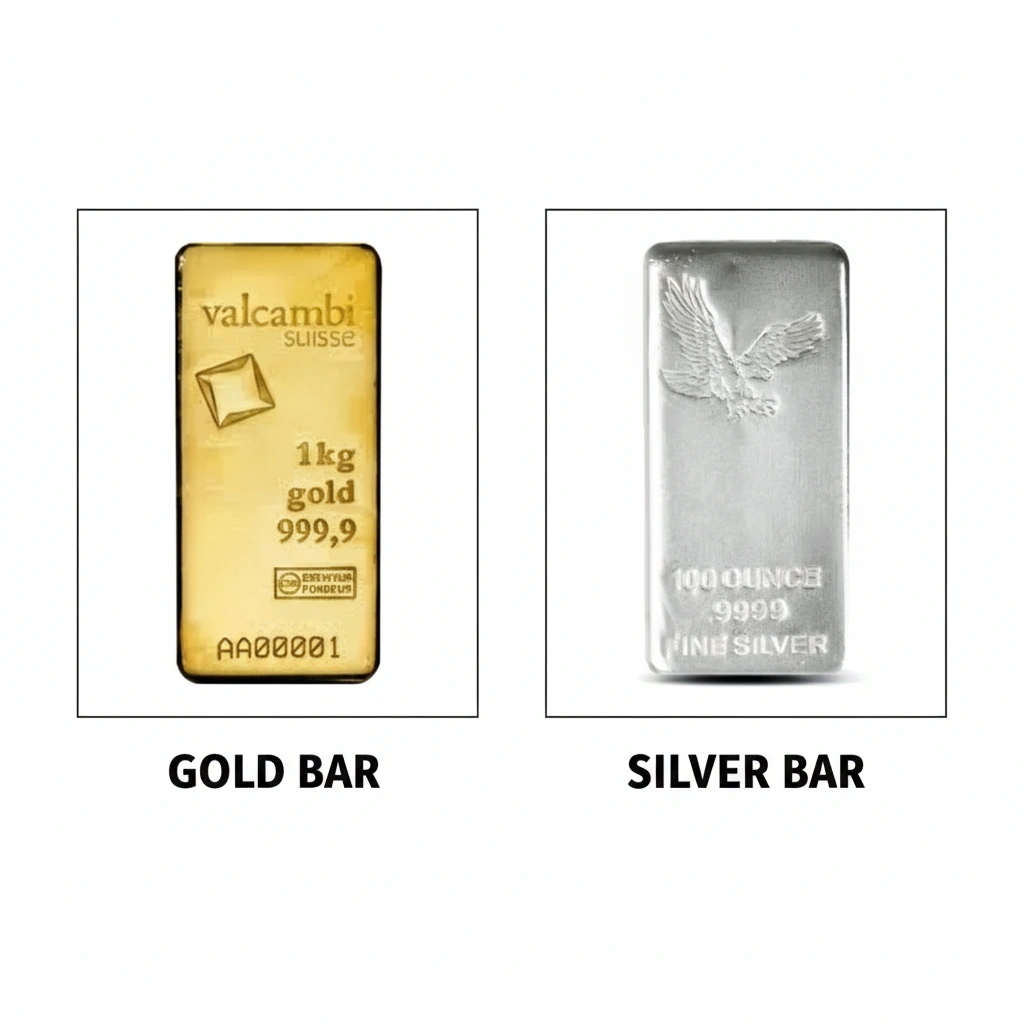
The most straightforward way to invest in gold and silver is by buying physical metals, such as bullion bars, coins, and jewelry. This allows you to hold the metals in your possession, offering a direct form of protection against inflation. Many investors prefer owning physical assets to avoid the risks associated with digital investments.
Pro Tip: Always buy from reputable dealers to ensure the authenticity and purity of your gold or silver. Standard bullion coins are popular choices for investors.
Gold and Silver ETFs: A Convenient Alternative
For those who prefer a more hands-off approach, exchange-traded funds (ETFs) offer an easy way to invest in gold and silver without physically owning the metals. These funds track the price of gold or silver and can be bought and sold just like stocks. ETFs are ideal for investors looking for liquidity and ease of trading.
Statistical Insight: Statistical Insight: Gold ETFs often attract significant inflows during market uncertainty, as investors seek the safety of precious metals.
Buy or Sell Gold & Silver Coins with Confidence
Work with a trusted Las Vegas coin dealer offering fair pricing, honest appraisals, and expert guidance every step of the way.
Mining Stocks and Funds
Another way to invest in gold and silver is through mining stocks or funds. Mining companies profit from extracting gold and silver from the earth, and their stock prices often correlate with the price of the metals. However, investing in mining stocks carries additional risks, such as operational issues and fluctuating energy costs, which can affect company profits.
Example: Large gold and silver mining companies’ stock prices often correlate with the price of the metals, rising when market values increase.
Real-World Examples: Gold and Silver During Times of Economic Crisis
The 2008 Financial Crisis
During the 2008 global financial crisis, the prices of gold and silver surged as investors sought to protect their wealth. Gold and silver prices rose during economic crises, making both metals attractive options for hedging against market downturns.
Pro Tip: While gold and silver performed well in 2008, it’s important to note that silver was more volatile and experienced larger price swings, both up and down.
The COVID-19 Pandemic
The COVID-19 pandemic caused global economic uncertainty, leading to a surge in demand for gold and silver. Gold reached record highs during periods of economic instability as global monetary policies increased liquidity.
Expert Insight: Expert Insight: Economic instability and global monetary responses often drive gold prices higher, demonstrating how precious metals can be reliable stores of value.
Common Mistakes When Using Gold and Silver to Hedge Against Inflation
Failing to Diversify
One common mistake investors make is focusing solely on gold or silver without diversifying their portfolio. While precious metals are excellent inflation hedges, it’s important to balance them with other investments like stocks, bonds, or real estate to create a more robust portfolio.
Overpaying for Premium Products
Some investors fall into the trap of overpaying for high-premium gold and silver products. While collectible coins can be appealing, they often come with higher premiums, reducing their profitability as an investment. It’s better to focus on standard bullion coins or bars.
Customer Testimonials and Reviews
Our customers consistently praise DEIGOLDANDSILVERCOINS for reliability, fast shipping, and high-quality products. With a 4.9-star rating, investors trust us whether they are beginners or experienced collectors. Real success stories and positive reviews highlight why clients keep returning, reinforcing confidence in purchasing authentic bullion and coins.
Conclusion
Gold and silver have proven to be reliable protectors of wealth, particularly during periods of inflation. These metals retain their value and act as a safe haven when fiat currencies lose purchasing power. Whether through physical ownership, ETFs, or mining stocks, there are multiple ways to include gold and silver in an investment strategy.
FAQ Section
Q1: Is gold a reliable hedge against inflation?
Yes, gold has historically outperformed paper currencies during inflationary periods. It maintains its value because it is a finite resource and has intrinsic value.
Q2: How can I invest in gold or silver to safeguard against inflation?
You can buy physical gold and silver, such as bullion bars and coins, or invest in ETFs that track the price of gold and silver. Mining stocks are another option.
Q3: Can silver serve as a hedge against inflation like gold?
Yes, silver tends to rise in value during inflationary periods, although it may be more volatile than gold. It’s also a more affordable entry point for new investors.
Q4: What risks should investors consider when buying gold or silver?
The primary risks include price volatility, especially for silver, and the costs of storage for physical metals. Gold and silver prices can also be influenced by factors like changes in interest rates or government policies.
Q5: Should I invest in physical gold and silver or ETFs?
Physical gold and silver offer direct ownership and security, while ETFs provide liquidity and ease of trading. Both options have their benefits, so it depends on your investment goals.