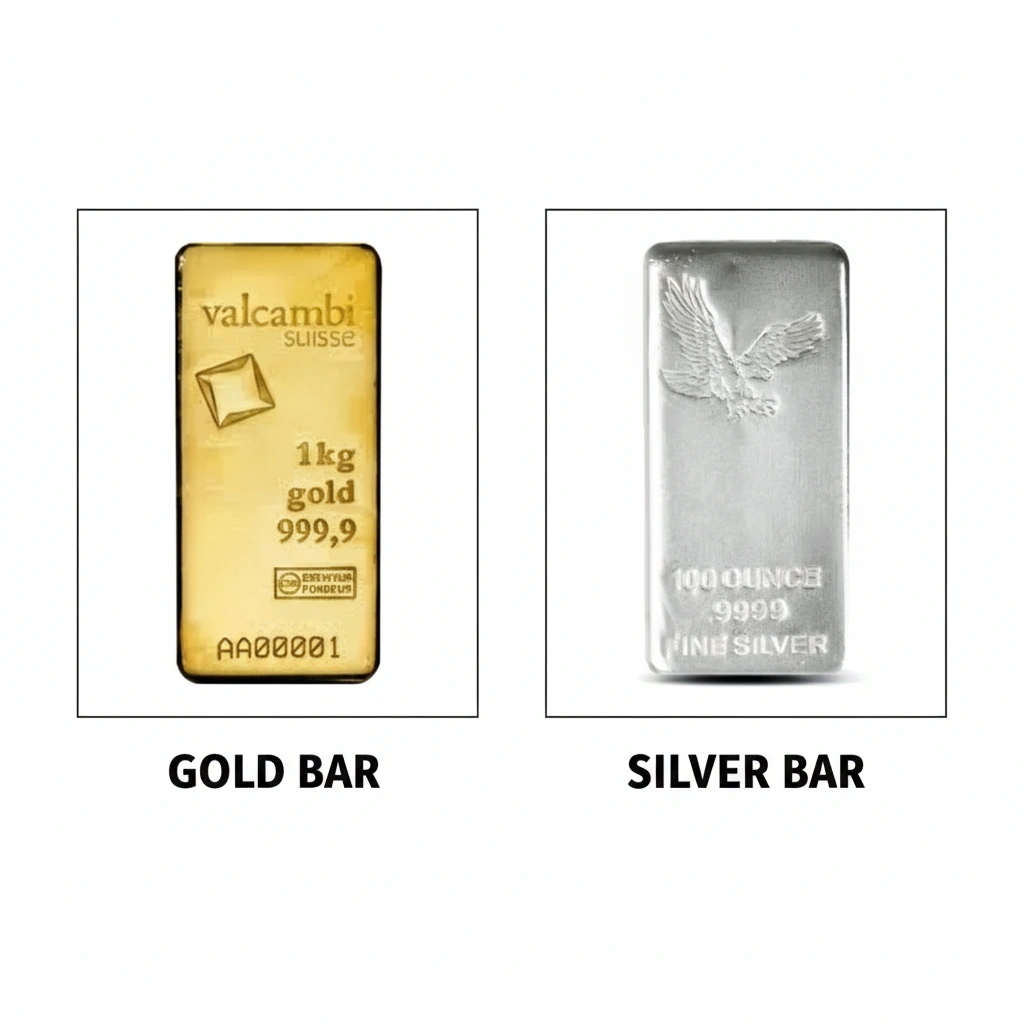
During economic downturns, investors often seek assets that can preserve wealth and provide stability.
Many investors consider the debate of silver vs gold during recessions. Both metals have historically acted as hedges against economic uncertainty, but their performance can vary during financial crises.
This guide explores the roles of silver and gold during recessions and compares their potential as safe-haven investments.
Why Recessions Make Precious Metals Important
Recessions often bring stock market volatility, rising unemployment, and inflationary pressures. During such periods, traditional assets can become unstable, making precious metals like gold and silver highly attractive.
Gold is widely regarded as a safe-haven asset, while silver combines both industrial utility and investment value. Understanding the differences between the two can help investors decide which metal suits their risk tolerance and goals during economic downturns.
Silver vs Gold: What Sets Them Apart?
Gold:
Gold has historically been the preferred safe-haven investment due to its rarity, durability, and long-standing value. It is widely recognized and tends to perform well during periods of inflation or financial instability, offering liquidity and security for risk-averse investors.
Silver:
Silver shares many qualities with gold but also has significant industrial demand in sectors such as electronics, solar energy, and medical technology. During recessions, reduced industrial activity can depress silver prices. However, its lower cost makes silver accessible to a broader range of investors seeking a hedge against economic uncertainty.
Buy or Sell Gold & Silver Coins with Confidence
Work with a trusted Las Vegas coin dealer offering fair pricing, honest appraisals, and expert guidance every step of the way.
How Gold Performs During a Recession
Gold’s role as a store of value during times of crisis is well documented. Historically, gold prices tend to soar when the economy is struggling. For example, during the 2008 financial crisis, gold prices spiked as investors sought shelter from the stock market’s volatility. This trend was also seen during the COVID-19 pandemic, where gold reached record highs as central banks implemented expansive monetary policies.
Gold typically benefits during recessions due to inflation concerns and potential currency devaluation. As the value of paper currency declines, investors turn to gold as a reliable hedge.
Real-World Example:
- 2008 Financial Crisis: Gold saw a sharp rise in value, climbing from around $800 per ounce in 2007 to over $1,200 by 2009, as investors moved their assets into safer havens.
- COVID-19 Pandemic: Gold surged past $2,000 per ounce in 2020, as global economies faced lockdowns, and the Federal Reserve flooded the market with liquidity.
How Silver Performs During a Recession
Silver can also act as a safe-haven investment, though its higher volatility introduces greater risk. Its price is often affected by industrial demand, which can drop during economic slowdowns, whereas gold usually retains purchasing power and hedges against inflation.
For example, during the 2008 global recession, silver prices dropped sharply due to reduced demand in electronics and solar panel production. In contrast, gold maintained its value, reinforcing its role as a reliable store of wealth. Investors seeking stability often consider both metals, but Gold During Recessions remains a cornerstone of preserving wealth amid market uncertainty.
Real-World Example: Historically, silver has experienced higher price swings than gold during economic downturns due to its industrial usage. While this volatility can present opportunities, it also increases risk for investors seeking stability.
Silver vs Gold During Economic Uncertainty: Which is the Better Hedge?
Choosing between gold and silver depends on investment goals and risk tolerance. Gold generally offers stability and predictable protection against market volatility, making it suitable for long-term wealth preservation. Silver carries higher risk but can offer greater rewards due to its industrial applications and market cycles. Many investors combine both metals to balance security with growth potential.
Key Factors to Consider
- Price Volatility: Gold is less volatile than silver, offering more stability.
- Industrial Demand: Silver’s price is influenced by industrial usage, which may decline during recessions.
- Affordability: Silver is more affordable, making it accessible to smaller investors.
- Inflation Hedging: Both metals can hedge against inflation, but gold has a longer track record during economic crises.
Expert Insights and Pro Tips
Pro Tip 1: If you’re a long-term investor seeking stability during recessions, gold is your best bet. Its proven track record during financial crises makes it the preferred choice for wealth preservation.
Pro Tip 2: If you’re looking for a more affordable entry point and are willing to accept higher risk for potential higher returns, silver could be a better choice—especially if you believe in its industrial applications during the eventual economic recovery.
Pro Tip 3: Diversification is key. A well-balanced portfolio might include both gold and silver, depending on your risk appetite and financial goals.
Is It Safe to Buy Gold Coins Online?
Absolutely. Platforms like DEIGOLDANDSILVERCOINS provide fully insured and secure transactions, giving US investors complete peace of mind. Whether you’re starting your first collection or expanding an existing portfolio, these trusted platforms make buying gold and silver online safe, convenient, and straightforward.
Why Investors Trust DEIGOLDANDSILVERCOINS
- Customer Satisfaction: With a 4.9-star rating , customers consistently praise the reliability, fast shipping, and high-quality products offered.
- Expert Guidance: From beginners to seasoned collectors, dedicated support ensures every purchase is well-informed and confident.
- Secure Transactions: Every order is fully insured, safeguarding your investment from start to finish.
Investing in bullion can feel intimidating, but by asking the Top 10 Questions Every Precious Metal Buyer Should Ask a Dealer, and with the right guidance, you can make informed, confident decisions. Start your coin investment journey today with trusted US dealers like DEIGOLDANDSILVERCOINS, where experience, security, and customer satisfaction are always prioritized.
Conclusion: Empower Your Precious Metal Investment
As a precious metal buyer, asking the right questions is key to securing a solid investment. Whether you’re just starting or are already an experienced collector, the insights provided here will guide you through the process of making informed, confident decisions.
By focusing on factors such as market price, purity, reputation, and tax implications, you can ensure that your precious metal investments are both safe and profitable. For more tips and guidance on buying precious metals, be sure to visit DEIGOLDANDSILVERCOINS. Remember, knowledge is power when it comes to precious metal investing!
Conclusion
During economic downturns, gold and silver remain valuable safe-haven assets. Gold typically offers more stability, while silver provides potential for higher returns but with greater volatility. Investors should evaluate financial goals, risk tolerance, and investment horizon when allocating between these metals.
For preserving wealth, gold is generally the more reliable option, providing protection against inflation and currency fluctuations. Silver may appeal to investors seeking growth opportunities but is more sensitive to market and industrial demand shifts.
FAQs
Q1: Does silver perform better than gold during recessions?
Gold generally provides more stability during recessions, while silver’s higher volatility can lead to larger price swings.
Q2: Why does gold rise during recessions?
Gold tends to increase in value as investors use it to hedge against inflation, currency devaluation, and market instability.
Q3: Is silver a good investment during recessions?
Silver can be suitable for investors willing to accept more risk for potential higher returns, particularly when industrial demand rebounds.
Q4: Can silver outperform gold in the long run?
Silver may outperform gold in certain periods but comes with higher volatility and risk.
Q5: Should I invest in both gold and silver?
Combining gold and silver can provide a balance of stability and growth potential, depending on risk tolerance.