Have you ever wondered what makes a coin valuable, and why some coins are considered treasures while others are just pocket change?
The key to understanding a coin’s value often lies in its grade. The coin grading scale is a standardized system used by collectors and investors to evaluate a coin’s condition and determine its numismatic value. From the heavily worn PO-1 to the flawless MS-70, the grading system can seem complex and intimidating for newcomers.
In this guide, we’ll simplify the coin grading scale, explain the different grades, and provide expert insights to help you accurately assess coins. Whether you’re a seasoned collector or a novice seeking your first investment-grade coin, understanding the grading process ensures informed decisions and confidence in evaluating collectible coins.
What Is Coin Grading?
Coin grading is a standardized method for assessing a coin’s condition, used by professional graders, collectors, and investors. The grade of a coin affects its market value, and understanding this system is essential for anyone interested in buying, selling, or collecting coins.
The grading scale ranges from PO-1, the lowest grade, indicating a heavily worn coin, to MS-70, a perfect coin with no visible imperfections. The grading process considers various factors, including the coin’s strike, luster, and overall wear.
Pro Tip: Understanding the Coin’s Mint State
When you hear terms like “Mint State” (MS), it’s crucial to note that this refers to a coin that has never been in circulation and retains the highest level of detail and luster from the minting process. MS-70 represents the highest level of preservation on the grading scale, and only a small number of coins reach this level of condition.
The Different Levels of the Coin Grading Scale
What Is the PO-1 Grade?
PO-1 stands for “Poor” and is the lowest grade in the coin grading scale. A coin graded PO-1 is almost entirely worn down, with only a few readable features remaining. Such coins are typically worth only a fraction of their original value, as they have little detail and no visual appeal.
Key Characteristics of PO-1:
- Nearly illegible designs and inscriptions
- Most of the original luster is gone
- Typically found in very old or heavily circulated coins
What Does the MS-70 Grade Represent?
MS-70, or Mint State 70, represents a perfect coin. This grade signifies that the coin has been perfectly preserved, with no signs of wear or imperfections. MS-70 coins are highly prized by collectors due to their impeccable condition.
Key Characteristics of MS-70:
- No visible imperfections, even under magnification
- Perfect luster and surface quality
- The coin looks as though it has just been minted
Why Does Coin Grading Matter?
The coin grading scale is essential because it directly affects a coin’s market value. Whether buying or selling, understanding a coin’s condition through professional numismatic evaluation allows collectors and investors to make informed decisions. For investment-grade coins, accurate assessment of the coin’s quality can be the difference between a modest return and substantial profit.
Buy or Sell Gold & Silver Coins with Confidence
Work with a trusted Las Vegas coin dealer offering fair pricing, honest appraisals, and expert guidance every step of the way.
How Does Coin Grading Affect Value?
The value of a coin increases dramatically as its grade improves. Higher-grade coins can command significantly more value than heavily worn examples. The higher the grade, the rarer and more valuable the coin becomes.
Example:
- MS-70 2021 American Silver Eagle: This type of coin can command a premium depending on demand and rarity.
- PO-1 2021 American Silver Eagle: This type of coin may only hold minimal collectible value due to heavy wear.
How Are Coins Graded?
Coin grading is a meticulous process that involves examining several factors. The grading process is performed by professional third-party grading organizations that specialize in evaluating coin condition and authenticity.
Key Factors Considered in Grading:
- Wear and Tear: This is the primary factor in determining a coin’s grade. The more worn a coin is, the lower its grade will be.
- Luster: A coin’s luster refers to its shine and reflective quality. A well-preserved coin will retain its luster, while a worn coin will lack it.
- Strike Quality: The sharpness and clarity of the coin’s design are important factors in determining the grade. Coins that are poorly struck will have blurry or incomplete details.
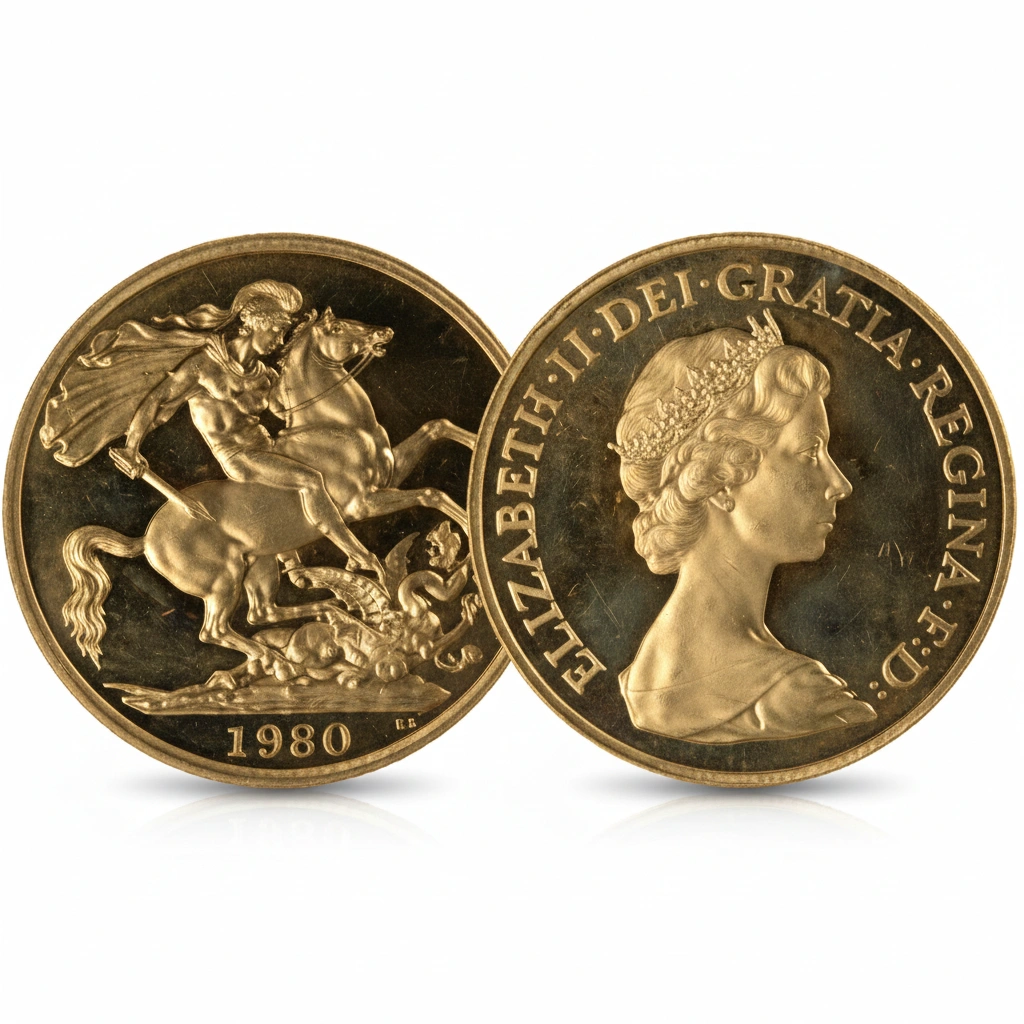
- Surface Condition: Any scratches, dings, or marks will affect the grade. Coins with pristine surfaces are given higher grades.
Pro Tip: The Importance of the “Eye Appeal”
While technical grading is important, “eye appeal” is also a consideration. Coins with attractive coloration, sharp detail, and an overall pleasing appearance can sometimes achieve a higher grade even if they aren’t perfect.
Common Mistakes in Coin Grading and How to Avoid Them
Many beginners make the mistake of overestimating or underestimating a coin’s grade, which can lead to overpaying or undervaluing a coin. Below are some common mistakes and tips on how to avoid them.
Mistake 1: Overlooking Minor Imperfections
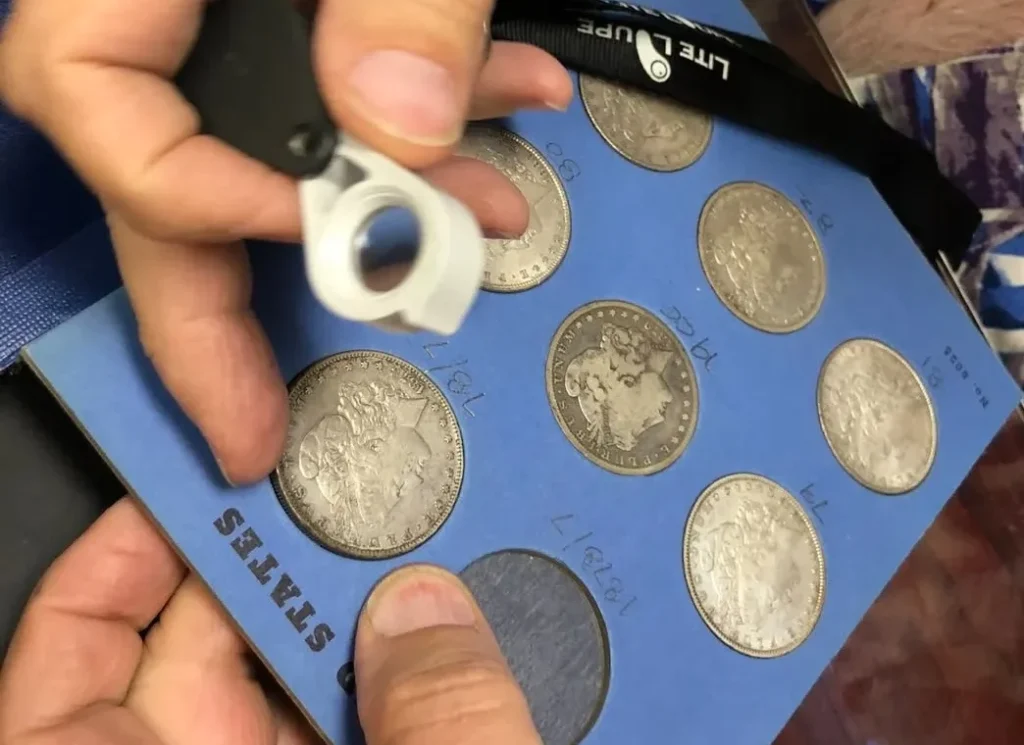
Small imperfections, such as tiny scratches or dings, can significantly reduce the grade of a coin. Always inspect coins carefully under magnification to identify these imperfections before purchasing.
Mistake 2: Ignoring the Importance of Preservation
Improper handling can lead to damage, even on coins with a high grade. Store your coins in protective cases to preserve their condition and avoid unnecessary wear.
Mistake 3: Misunderstanding the Difference Between MS and PR
Many collectors confuse MS (Mint State) coins with PR (Proof) coins. Proof coins are specially minted with a different process, designed for collectors. They often feature a mirrored background and frosted design, unlike MS coins, which are meant for general circulation.
How to Assess the Quality of Your Coins
If you want to assess your coins’ quality before buying or selling, it’s helpful to learn the grading process or consult with a professional grader.
Step-by-Step Guide to Assessing a Coin’s Quality:
- Examine the Strike: Look at the coin’s design for any signs of weakness or smudging.
- Check for Wear: Focus on the high points of the coin, where wear is most likely to occur.
- Evaluate the Luster: Shine a light on the coin and check for the reflective quality of the surface.
- Assess the Surface: Look for any nicks, scratches, or dents that might lower the grade.
Expert Insight: When in Doubt, Consult a Professional
If you’re unsure about a coin’s grade, it’s worth consulting a professional grading service. They can provide you with an official grade, ensuring that you know exactly what you’re dealing with.
FAQ Section
1. What is the highest coin grade?
The highest coin grade is MS-70, representing a perfect coin with no visible imperfections, even under magnification.
2. How does coin grading affect a coin’s value?
The higher the grade, the more valuable the coin. Coins graded higher than MS-60 can fetch substantial premiums, depending on their rarity and demand.
3. What is the difference between MS and PR coins?
MS (Mint State) coins are made for circulation and have a natural luster, while PR (Proof) coins are specially minted for collectors with a mirrored finish and frosted details.
4. Can I grade my own coins?
While you can inspect and assess your coins, it’s recommended to use professional third-party grading services for an official grade and certificate of authenticity.
5. What factors affect a coin’s grade?
A coin’s grade is primarily affected by wear, luster, strike quality, and surface condition. Coins that have been well-preserved with minimal wear will achieve higher grades.
Conclusion
Understanding the coin grading scale is essential for anyone involved in coin collecting or investing. The spectrum from PO-1 to MS-70 represents varying levels of coin condition, with each grade significantly affecting a coin’s market value. Whether acquiring coins for personal enjoyment or as an investment, mastering how to evaluate a coin’s quality through careful numismatic assessment can protect your investment and enhance the overall value of your collection.