Are we heading towards a silver shortage?
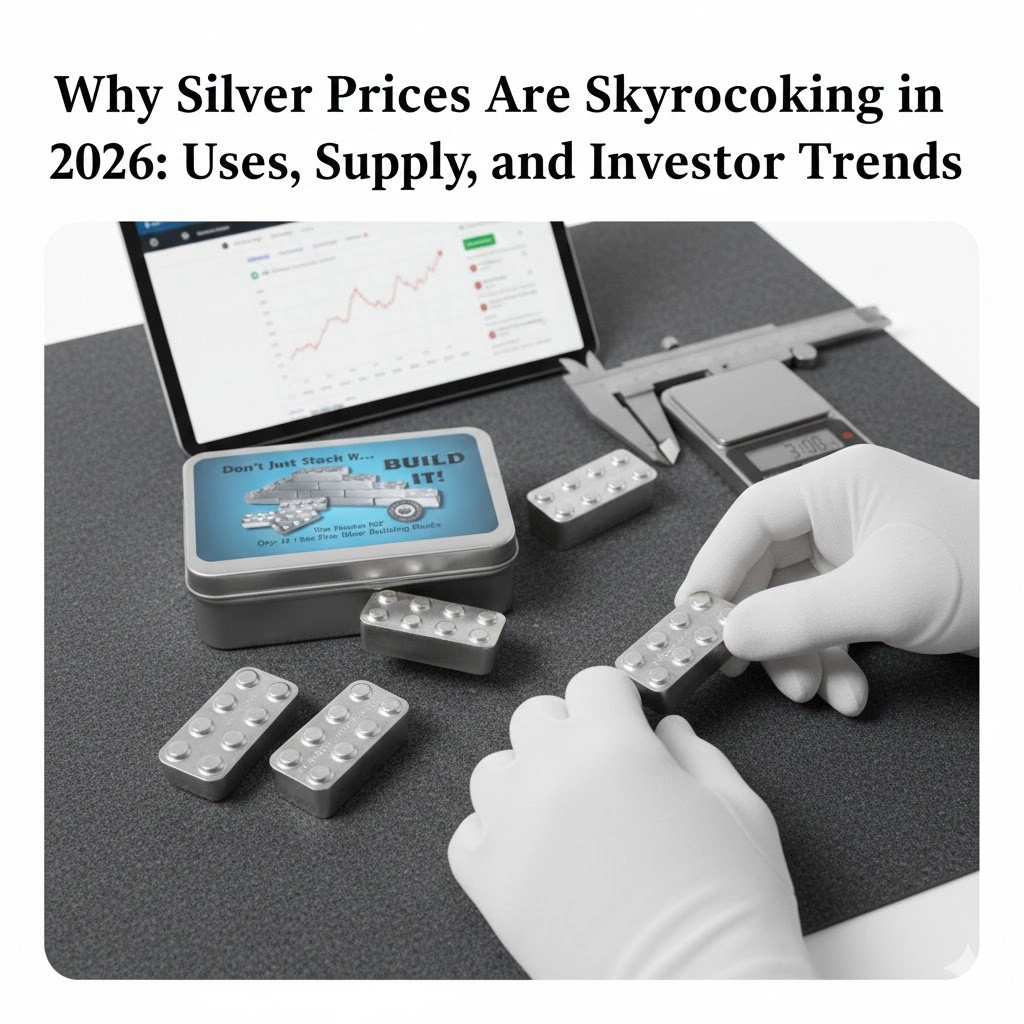
As precious metal markets shift, many investors are looking at silver with renewed interest. Recent reports have shown an alarming decline in global silver inventories, with growing demand from both industrial and investment sectors. What does this mean for you as an investor? In this post, we’ll explore the causes of a potential silver shortage, its possible impact on silver prices, and how you can prepare to navigate changes in the market.
The Problem: Supply Issues and Increased Demand
Silver has been a cornerstone of both investment portfolios and industrial production for centuries. However, in recent years, the dynamics of its supply and demand have been shifting. Mines are producing less silver, while demand continues to increase—especially in the technology and renewable energy sectors. This imbalance has caused concern about potential shortages, driving up silver prices and increasing competition for the metal.
What You’ll Learn
In this article, we’ll dive into:
- The causes behind the silver shortage in 2026.
- How supply issues are impacting the market.
- What you can expect for silver prices in the near future.
- Pro tips for investors looking to protect their wealth amidst this uncertainty.
Understanding the Silver Shortage: What’s Really Happening?
Why is there a Silver Shortage?
The primary factors behind the anticipated silver shortage are twofold: declining production and rising demand.
Declining Silver Production
Global silver mining has been on a downward trend. As silver mines age and lower-grade ores are extracted, mining becomes more difficult and costly. Global silver mining has been on a downward trend, and projections indicate this decline could continue in the coming years. In fact, only a handful of countries dominate silver production, which makes the market vulnerable to geopolitical risks and production disruptions.
Global Silver Reserves and Supply Outlook
According to the U.S. Geological Survey, most of the world’s silver reserves are concentrated in a small number of countries, including Mexico, Peru, and China. This concentration means that regulatory changes, labor strikes, or environmental policies in these regions can quickly affect global supply. Research from the The Silver Institute also notes that much of the world’s silver is produced as a by-product of mining other metals such as copper and zinc, which limits how quickly production can increase. Because of these structural constraints, the silver market can become tight when industrial demand rises.
Rising Demand from Green Technologies
Silver is a critical component in solar panels, electric vehicles, and 5G technologies. As countries adopt more green energy solutions and tech advancements, silver demand has spiked. The solar industry consumes a significant portion of the world’s silver annually, and this demand is expected to grow as renewable energy adoption increases. Moreover, with the rise of electric vehicles, the automotive sector is becoming one of the largest consumers of silver, creating further pressure on already limited resources.
Industrial Demand and the Clean Energy Transition
Silver demand continues to grow due to its essential role in modern technology. Reports from the International Energy Agency show that solar photovoltaic systems rely heavily on silver because of its superior electrical conductivity. At the same time, industries such as electric vehicles, electronics, and semiconductor manufacturing are increasing their silver usage. According to the The Silver Institute, industrial applications now account for a significant share of global silver consumption, reinforcing silver’s importance not only as a precious metal but also as a strategic industrial resource.
What Does This Mean for Investors?
The combination of reduced supply and rising demand signals that silver prices are likely to rise in the coming years. For investors, this is a critical time to understand how these factors will affect their portfolio and take strategic actions.
Buy or Sell Gold & Silver Coins with Confidence
Work with a trusted Las Vegas coin dealer offering fair pricing, honest appraisals, and expert guidance every step of the way.
The Impact on Silver Prices: What Can We Expect?
How Will the Silver Shortage Affect Prices?
As silver becomes harder to come by, prices will likely continue their upward trajectory. In 2023, silver reached its highest price in over a decade, and many analysts predict that silver could surpass $30 per ounce by 2026. However, with supply chains already under pressure and demand growing, some experts believe silver prices could climb even higher.
Price Fluctuations and Volatility
Despite the bullish outlook, investors should also be aware of the potential for volatility. While silver is seen as a hedge against inflation and an alternative investment to gold, short-term price swings can be unpredictable. Economic events like recessions, changes in monetary policy, and disruptions to supply chains can cause large price fluctuations.
Historical Precedent: Lessons from the Past
Looking back, the 1970s and 1980s offer valuable lessons. During times of high demand and limited supply, silver prices spiked dramatically, then corrected sharply. While the market dynamics today differ from those decades ago, historical trends suggest that silver could follow a similar path—climbing quickly, then stabilizing at a new, higher price.
How to Position Your Portfolio for a Silver Shortage
Should You Buy Silver Now?
If you haven’t already invested in silver, 2026 might be a great time to consider it. There are several ways to gain exposure to silver:
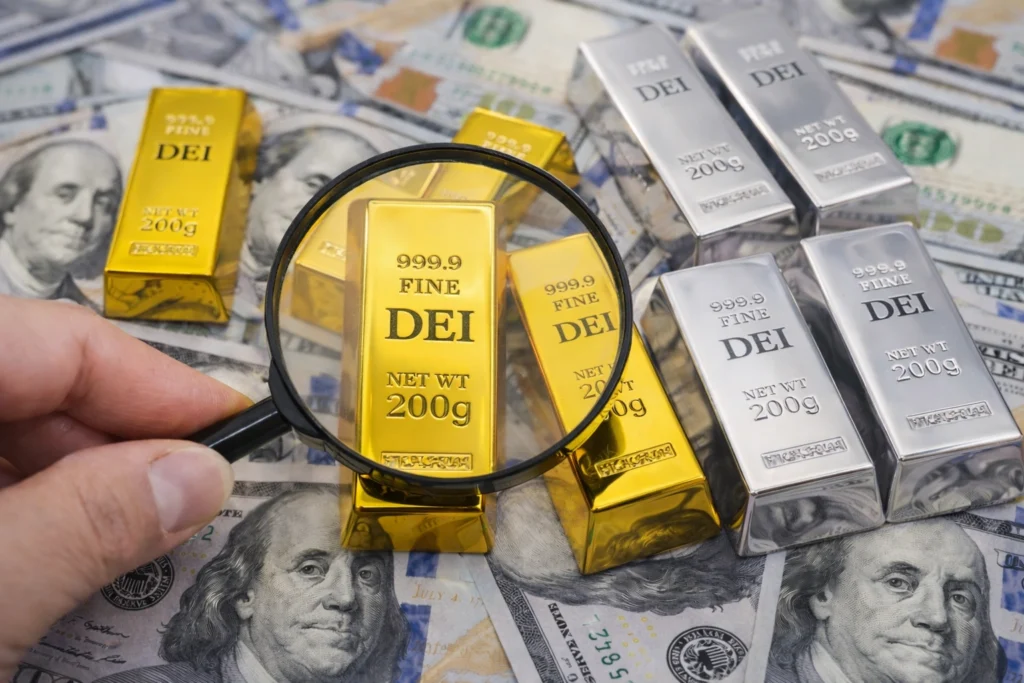
- Physical Silver: Buying physical silver, like coins and bars, is one way to hedge against the shortage.
- Silver ETFs: Exchange-traded funds (ETFs) that focus on silver offer a more liquid investment option.
- Silver Mining Stocks: Investing in silver mining companies allows you to capitalize on rising silver prices while also benefiting from their operational success.
Pro Tip: Diversification is key. Don’t put all your eggs in one basket—consider a mix of physical silver, silver ETFs, and mining stocks to balance risk and reward.
Long-Term Outlook: Is Silver Still a Safe Investment?
While silver is experiencing some volatility, its long-term potential is strong. If the shortage persists, silver could become even more valuable, especially as it plays a central role in green technologies and industrial production. Silver’s history as a store of value further solidifies its place in investment portfolios, alongside precious metals like gold.
The Geopolitical and Economic Factors to Watch
How Geopolitics Could Influence the Silver Market
Global politics can significantly impact the silver supply chain. Trade wars, sanctions, and geopolitical tensions often disrupt metal supplies. For example, if a major silver-producing country faces political unrest, this could cause supply shocks that further exacerbate the shortage.
Case Study: The Mexico Impact
One of the world’s largest silver-producing regions has faced setbacks due to regulatory challenges and labor disruptions. These issues contributed to reduced production, further tightening the global supply. These disruptions contributed to the decline in silver production, further tightening the global supply.
Inflation and Its Role in the Silver Market
Silver is often seen as a hedge against inflation. As inflation erodes the purchasing power of fiat currencies, investors turn to silver and gold as safer, more stable assets. Rising inflation rates—especially in the wake of pandemic-related disruptions and supply chain issues—are likely to push more people towards silver as a store of value.
Pro Tips for Investors: How to Navigate the Silver Shortage
- Watch the Supply Chain: Keep an eye on news from major silver-producing regions. Any disruptions could signal potential price changes. Any disruptions could signal price increases.
- Diversify into Silver-Related Assets: If physical silver is hard to come by, consider silver ETFs or mining stocks to hedge against rising prices.
- Consider the Timing: While silver prices are on an upward trend, timing your purchases can help you maximize returns and avoid volatility.
- Monitor Green Energy Policies: As governments push for cleaner energy solutions, silver demand from the solar and electric vehicle industries will continue to rise.
DEIGOLDANDSILVERCOINS Customer Feedback
Our customers’ satisfaction drives us daily. We invite you to read testimonials about our dedication to fair pricing, quick payment, and exceptional service. Your feedback helps us improve and maintain the highest standards.
Conclusion: Preparing for the Silver Shortage
In conclusion, the coming years could be pivotal for silver. With declining supply and rising demand, the silver market is poised for significant changes. As an investor, preparing your portfolio now can help you capitalize on the coming shortage. Keep an eye on silver prices, diversify your investments, and stay informed about geopolitical and economic developments.
FAQ Section
1. What causes the silver shortage in 2026?
The silver shortage is driven by declining mining production and increased demand from industries like solar energy, electric vehicles, and 5G technology.
2. How will the silver shortage affect silver prices?
The silver shortage is likely to push silver prices higher as demand outpaces supply. Price volatility is expected, but long-term trends point to sustained growth in value.
3. Is it a good time to invest in silver?
Yes, if you’re looking to hedge against inflation or diversify your portfolio, silver offers a promising investment opportunity, especially as its demand increases.
4. What are the best ways to invest in silver?
You can invest in silver through physical silver, silver ETFs, or mining stocks. Each option has its own set of risks and rewards, so diversifying your approach is recommended.
5. How do geopolitical factors impact the silver market?
Silver production in key countries like Mexico can be disrupted by geopolitical events like strikes, regulations, or political instability, which can exacerbate the shortage and affect prices.
6. Should I buy silver in 2026 or wait?
If you haven’t yet invested, the current market environment presents a strong opportunity to consider adding silver to your portfolio. While waiting for a price dip could be tempting, the long-term outlook suggests prices will continue to rise.
7. Will silver outperform gold in 2026?
Silver’s growth potential is higher than gold due to its increasing use in technology and renewable energy. However, gold may remain a more stable option during market volatility.