Introduction
In 2026, investors across the U.S.—including high-net-worth individuals in Las Vegas—are facing rising inflation, geopolitical uncertainty, and shifting regulations. Just in the past year, gold prices have surged amid global instability, while stocks and crypto have seen sharp swings.
Here’s the reality: you don’t need to gamble with your wealth to grow it. You need stability, protection, and long-term confidence.
In this guide, you’ll discover why gold is still considered the safest investment in 2026, how it protects your wealth, and exactly how you can use it strategically—whether you’re a business owner, entrepreneur, or investor looking for security and growth.
Why is gold considered the safest investment in 2026?
Gold continues to dominate conversations around the safest investment in 2026 and for good reason. Unlike fiat currencies or speculative assets, gold has intrinsic value that has held steady for thousands of years.
The fundamentals behind gold’s stability
Gold is not tied to any single economy or government. That independence is critical in a world where monetary policies shift rapidly. When inflation rises or currencies weaken, gold typically strengthens.
According to the World Gold Council, gold has delivered an average annual return of approximately 8–10% over the past 20 years. More importantly, it has preserved purchasing power during economic downturns.
Why investors trust gold during uncertainty
In times of crisis—whether economic recessions or geopolitical tensions—gold acts as a safe haven. For example:
- During the 2008 financial crisis, gold prices rose by over 25%
- In 2020 during global uncertainty, gold hit record highs
- In 2025–2026, rising inflation has again pushed investors toward gold
If your goal is wealth protection gold strategies rather than high-risk speculation, gold offers unmatched reliability.
How does gold protect your wealth in uncertain markets?
If you’re serious about protecting your assets, understanding how gold functions as a defensive tool is essential.
Hedge against inflation
Inflation erodes the value of cash. Gold, however, tends to rise when inflation increases. This inverse relationship makes it a powerful hedge.
Example: If inflation rises by 5% annually, your cash loses value. But gold often appreciates, helping you maintain purchasing power.
Protection from currency devaluation
Currencies fluctuate due to government policy, debt levels, and global trade dynamics. Gold remains stable because it isn’t printed or manipulated.
Diversification benefits
No smart investor relies on a single asset class. Gold adds balance to your portfolio by offsetting losses in stocks or real estate.
Pro Tip:
Allocate 5–15% of your portfolio to gold for optimal risk management. This is a common strategy among institutional investors.
Buy or Sell Gold & Silver Coins with Confidence
Work with a trusted Las Vegas coin dealer offering fair pricing, honest appraisals, and expert guidance every step of the way.
Why invest in gold instead of stocks or crypto?
Many investors ask this exact question when evaluating the safest investment in 2026.
Risk vs. stability comparison
| Asset Type | Risk Level | Volatility | Long-Term Stability |
|---|---|---|---|
| Stocks | Medium-High | High | Moderate |
| Crypto | Very High | Extreme | Uncertain |
| Gold | Low-Medium | Low | High |
Case Study: Crypto vs Gold (2022–2026)
An investor who put $50,000 into crypto in 2022 likely experienced massive swings—sometimes losing 50% or more in value. Meanwhile, gold investors saw steady appreciation and minimal drawdowns.
Real-world example
A Las Vegas-based business owner diversified profits into gold instead of reinvesting everything into volatile markets. When inflation spiked, their gold holdings offset rising operational costs.
Expert Insight:
Gold may not offer explosive growth, but it delivers something far more valuable—predictability and protection.
What are the best ways to invest in gold in 2026?
Understanding why gold is a gold safe investment is only half the equation—you also need to know how to invest effectively.
Physical gold
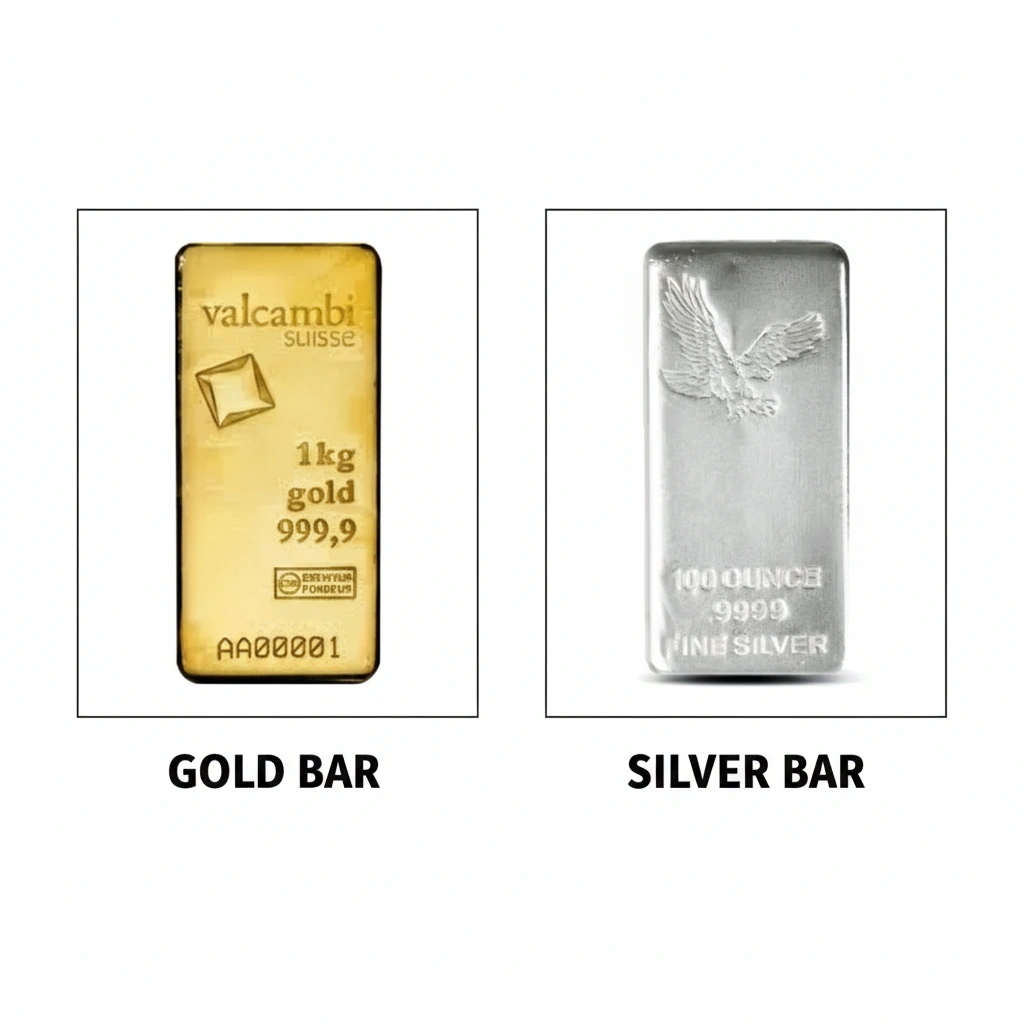
- Gold bars and coins
- Stored in secure vaults or safety deposit boxes
- Popular among investors seeking tangible assets
Gold ETFs
Exchange-traded funds offer exposure to gold without physical ownership. They’re liquid and easy to trade.
Gold mining stocks
These can offer higher returns but come with additional risks tied to company performance.
Gold IRAs (U.S. specific)
For investors in Las Vegas and across the U.S., Gold IRAs provide tax advantages while holding physical gold.
Pro Tip:
Always work with IRS-approved custodians for Gold IRAs to stay compliant with U.S. regulations.
Is gold still a safe investment during inflation and recession?
Short answer: Yes—and it’s arguably more relevant than ever.
Current trends (2026 outlook)
- Inflation remains above historical averages
- Central banks continue accumulating gold reserves
- Global economic uncertainty persists
According to IMF data, central banks added over 1,000 tons of gold reserves in recent years—a strong signal of institutional confidence.
Case Study: Central bank strategy
Countries like China and India have significantly increased gold reserves to reduce reliance on the U.S. dollar. This trend reinforces gold’s role as a global store of value.
Why this matters to you
When governments and institutions move toward gold, individual investors should pay attention. It’s not speculation—it’s strategy.
What mistakes should investors avoid when buying gold?
Even though gold is widely seen as the safest investment in 2026, mistakes can still cost you.
Common pitfalls
Over-investing
Putting too much into gold can limit growth opportunities. Balance is key.
Ignoring storage and security
Physical gold requires safe storage. Poor planning can lead to losses.
Buying from unreliable dealers
Always verify authenticity and work with reputable sources.
Timing the market
Trying to buy gold at the “perfect moment” often backfires. Focus on long-term accumulation instead.
Expert Insight:
Consistency beats timing. Regular investments in gold can outperform sporadic large purchases.
How does gold fit into a modern investment strategy?
Gold isn’t a standalone solution—it’s a strategic component.
The modern portfolio approach
A balanced portfolio in 2026 might include:
- 50–60% equities
- 10–20% real estate
- 5–15% gold
- 10–20% cash or bonds
Why gold enhances performance
Gold reduces overall portfolio volatility. When markets decline, gold often rises—creating a stabilizing effect.
Actionable checklist
- Assess your current portfolio allocation
- Identify exposure to high-risk assets
- Add gold gradually over time
- Review annually based on market conditions
How can business owners use gold for wealth protection?
For entrepreneurs and business owners, gold offers unique advantages beyond traditional investing.
Cash flow protection
Gold acts as a reserve asset during slow business cycles.
Inflation hedge for operational costs
Rising expenses—rent, wages, supplies—can erode profits. Gold helps offset these increases.
Real-world example
A hospitality business owner in Las Vegas allocated 10% of profits to gold annually. During economic downturns, they liquidated a portion to maintain cash flow without taking on debt.
Internal linking opportunities
- Asset protection strategies
- Portfolio diversification
- Tax-efficient investing
- Inflation hedging techniques
Sell Gold and Silver Coins to DEIGOLDANDSILVERCOINS
If you are considering selling Gold and Silver coins, DEIGOLDANDSILVERCOINS is here to help. Our experienced numismatists provide confidential, same-day appraisals and competitive payouts. You can contact us by phone, live chat, or email for direct assistance.
Customer Reviews
At DEIGOLDANDSILVERCOINS, customer satisfaction is our top priority. Our reputation is built on trust, discretion, and fair dealing. Read our client testimonials to see how we consistently deliver excellence.
We welcome your feedback and are committed to continually improving your selling experience.
Conclusion
If you’re searching for the safest investment in 2026, gold continues to stand out—not because it’s trendy, but because it works.
It protects your wealth during inflation, stabilizes your portfolio during volatility, and offers a level of security few assets can match. Whether you’re a business owner in Las Vegas or an investor looking to safeguard your future, gold provides a proven path forward.
The key is not just understanding why invest in gold—but taking action.
Start small. Stay consistent. Think long-term.
Your future financial stability depends on the decisions you make today.
FAQ Section
1. Is gold really the safest investment in 2026?
Gold is widely considered one of the safest investments in 2026 due to its stability, inflation resistance, and global demand. While no investment is completely risk-free, gold consistently performs well during economic uncertainty.
2. Why invest in gold instead of keeping cash?
Cash loses value over time due to inflation. Gold preserves purchasing power and often increases in value when inflation rises, making it a better long-term store of wealth.
3. How much gold should I include in my portfolio?
Most experts recommend allocating 5–15% of your portfolio to gold. This balance provides protection without limiting growth opportunities.
4. Is physical gold better than ETFs?
Physical gold offers tangible ownership and security, while ETFs provide liquidity and convenience. The best option depends on your investment goals and risk tolerance.
5. Can gold help protect business income?
Yes. Many business owners use gold as a reserve asset to stabilize cash flow during economic downturns and rising operational costs.
6. Is gold affected by U.S. regulations?
Yes. In the U.S., gold investments—especially IRAs—must comply with IRS regulations. Always work with approved custodians and reputable dealers.
7. Will gold prices continue to rise after 2026?
While no one can predict exact prices, long-term trends suggest continued demand due to inflation, central bank buying, and economic uncertainty.