Imagine this: you’re watching gold prices spike, and everywhere you turn, investors are whispering about one name—maple leaf coins. You’ve heard they’re pure, liquid, and prized worldwide. But if you’re stuck between chasing short‑term gains or building long‑term wealth, you want clarity, not hype.
In this guide you’ll uncover exactly why maple leaf coins—especially canadian gold coins and silver maple leaf variants—have become favorites among both seasoned investors and savvy newcomers. You’ll learn the real benefits, risks, actionable strategies, and how to incorporate these coins into a balanced investment plan that makes sense for 2026 and beyond.
By the end, you’ll know whether maple leaf coins belong in your portfolio, how to buy them wisely, and what common mistakes to avoid.
What makes maple leaf coins a top pick among precious metal investors?
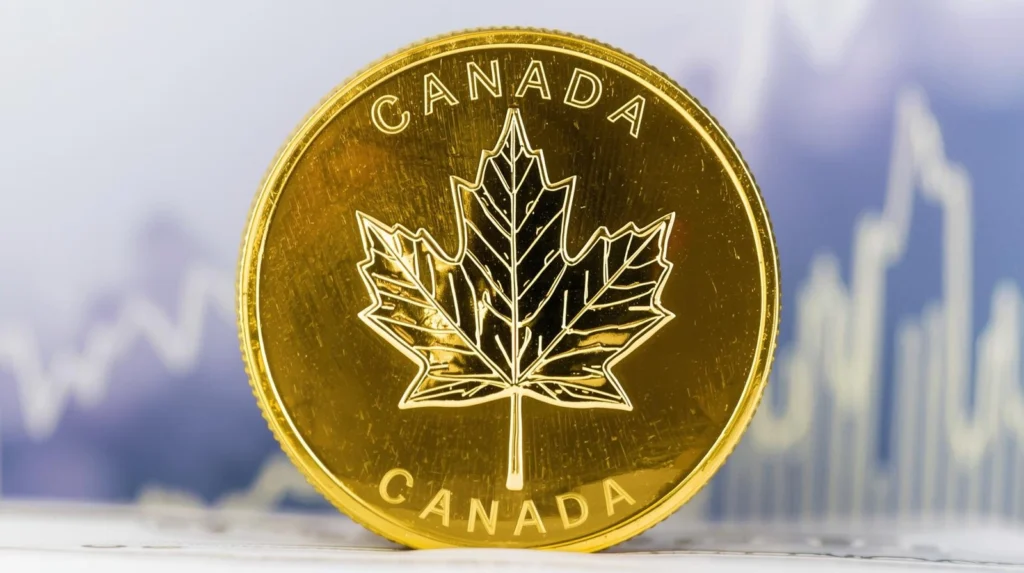
Investors gravitate toward maple leaf coins because they offer a rare combination of purity, liquidity, and global recognition. The Canadian Maple Leaf series from the Royal Canadian Mint debuted in 1979 with gold and later expanded to silver and platinum, quickly earning a reputation for superior quality. Canadian gold coins in the Maple Leaf series are minted at 99.99% purity—higher than many competitors. Silver maple leaf coins mirror this commitment to quality, often hitting the same 99.99% purity mark.
This matters because purity directly impacts resale value and market trust. A dealer anywhere in the world instantly recognizes a Maple Leaf coin, which translates to narrower buy‑sell spreads and quicker liquidation. According to data from the World Gold Council, gold-backed physical assets remain one of the most liquid forms of commodity investment globally. Investors seeking tangible assets appreciate this reliability.
Real Example: During the market volatility in 2022, many small investors who held silver maple leaf coins were able to liquidate at tight spreads compared to other bullion types, benefiting from strong dealer demand.
Pro Tip: Always verify current premium costs above spot prices, as Maple Leaf coins typically carry industry‑standard but fluctuating markups.
How do maple leaf coins compare to other gold investment coins?
When evaluating gold investment coins, three pillars matter most: purity, liquidity, and cost efficiency. Maple leaf coins excel across these.
| Feature | Maple Leaf Coins | American Gold Eagle | South African Krugerrand |
|---|---|---|---|
| Gold Purity | 99.99% | 91.67% | 91.67% |
| Global Recognition | Very High | High | High |
| Liquidity | Excellent | Excellent | Good |
| Premiums Over Spot | Moderate | Moderate | Low |
Maple leaf coins stand out for their purity advantage. While American Gold Eagles and Krugerrands are recognized globally, their lower gold content means you might pay for more alloy metal than pure gold. This can slightly reduce melt value in a high‑spot price environment.
Example: A 1‑oz gold eagle contains 0.9167 ounces of gold; a 1‑oz maple leaf contains a full ounce of pure gold. In a scenario where spot prices surge, that extra purity can translate into real dollars when selling.
However, if maximizing low premiums is your priority, Krugerrands might occasionally edge out others due to lower dealer markups.
Expert Insight: Purity matters most when investors hold coins long term especially through price fluctuations because it drives more consistent valuations.
Can silver maple leaf coins really protect your portfolio?
Silver maple leaf coins have surged in popularity among investors looking to diversify beyond gold. In 2023, global silver ETF holdings reached record levels, reflecting renewed interest in silver assets. Meanwhile, the Royal Canadian Mint’s silver maple leaf program has become a key bridge between bullion markets and individual investors.
Advantages of silver maple leaf investing include high liquidity, ease of storage, and relatively low entry costs. A 1‑oz silver maple leaf might cost under $30 (plus premium), making it accessible to nearly any budget. Their purity (99.99%) matches the gold maple leaf standard, giving investors confidence that they’re holding an asset recognized worldwide.
Case Study: During the 2020 market turbulence triggered by the pandemic, silver prices spiked more than 40% within months. Investors holding silver maple leaf coins in small increments were able to renegotiate positions and capture part of that upside while maintaining flexibility.
Actionable Takeaway: Use silver maple leaf coins to balance your precious metals allocation—especially if you want to hedge against inflation without committing large sums to gold.
What are the biggest risks when investing in maple leaf coins?
No investment is risk‑free, and maple leaf coins have considerations you should factor into your strategy.
Market Risk: Like all precious metals, maple leaf coins are influenced by macroeconomic factors such as interest rates, currency strength, and geopolitical uncertainty. Prices can be volatile in the short term even if they tend to hold value over the long term.
Storage and Security: Physical coins require secure storage. High net worth investors often use third‑party vaults, but this adds storage fees. DIY options like home safes carry security risks, while bank safety deposit boxes may limit accessibility.
Tax Considerations: In the United States, gold and silver coins are subject to capital gains tax, often as collectibles at higher rates. This tax nuance requires careful planning—especially for investors in Las Vegas or broader USA jurisdictions where tax treatment can vary.
Liquidity Premiums: Secondary market liquidity can fluctuate. During high‑demand periods, some dealers restrict buying inventory, potentially widening spreads.
Real Example: During the 2011 precious metals surge, some dealers temporarily increased premiums on silver maple leaf coins due to shortages, prompting frustrated investors to hold longer than planned.
Pro Tip: Always plan for exit strategies before purchase. Confirm where you’ll sell and at what potential premium or discount.
Buy or Sell Gold & Silver Coins with Confidence
Work with a trusted Las Vegas coin dealer offering fair pricing, honest appraisals, and expert guidance every step of the way.
How should you store and insure your maple leaf coins for maximum protection?
Effective storage goes beyond just putting coins in a drawer. Professionals break storage into two categories: secure home storage and third‑party custodial options.
Home Storage: A fireproof, bolted safe reduces risk, but security should include alarms, secure access, and privacy. Keep purchase receipts and high‑resolution photos in a separate digital vault to support insurance claims if needed.
Third‑Party Storage: Many investors use insured vault services offered by recognized precious metals custodians. These facilities often include segregated storage (your coins are individually tracked) and comprehensive insurance against loss, theft, or damage.
Insurance Options: Standard homeowner policies may offer limited coverage for precious metals. Specialized riders or standalone collectors’ insurance ensures full value protection. Always document appraisals and receipts.
Checklist for Storage Success
- Choose storage that matches your risk tolerance.
- Maintain thorough documentation (photos, certificate of authenticity).
- Review insurance coverage annually.
- Avoid oversharing your holdings publicly—privacy is a security asset.
Expert Insight: Treat storage as part of your investment cost, not an afterthought.
When is the best time to buy maple leaf coins?
Timing any investment involves balancing market conditions with personal financial goals. While no one can time markets perfectly, there are signals that can inform smarter entry points.
Cost‑Averaging Strategy: Rather than a lump sum purchase, consider dollar‑cost averaging (DCA). Buy smaller quantities of maple leaf coins monthly or quarterly to smooth out price volatility.
Spot Price Triggers: Many investors set buy targets at strategic spot price levels. For example, when gold corrects 5–10% from recent highs, some view this as an opportune entry.
Seasonal Trends: Historically, certain times of year (like late summer) have shown increased demand for physical metals due to festivals or gifting—but these trends can be subtle and vary annually.
Real Case: A Las Vegas investor who employed DCA from 2021–2024 acquired silver maple leaf coins at varied prices, reducing average cost and avoiding the stress of timing peak prices.
Expert Insight: Crystal‑ball timing rarely pays. A disciplined plan aligned with your risk tolerance is often more valuable than chasing short‑term spikes.
How do authenticity and grading affect maple leaf coin value?
Counterfeits have proliferated with rising demand for precious metal coins. Ensuring authenticity protects your investment.
Authentication Methods:
- Weight and dimensions: Maple leaf coins have precise specs that are easy to test.
- Magnet test: Real gold and silver are non‑magnetic.
- Professional grading: Services like Numismatic Guaranty Company (NGC) and Professional Coin Grading Service (PCGS) grade condition and confirm authenticity.
Grading Matters: A certified maple leaf coin with a high grade often fetches stronger resale value, especially in numismatic markets (collectors paying premiums for perfect specimens).
Case Study: Two investors sold 1‑oz silver maple leaf coins; the uncertified one sold near spot price, while the graded MS70 example fetched a 15% premium due to collector demand.
Actionable Takeaway: If you plan to trade frequently or chase premiums, consider professional grading. If your goal is bullion exposure, focus on secure, reputable dealer purchases.
How do you incorporate maple leaf coins into a broader investment portfolio?
A balanced portfolio blends stocks, bonds, real estate, and alternative assets like precious metals. Financial advisors often recommend allocating 5–15% to metals—though your situation may vary.
Diversification Benefits:
- Hedge against inflation and currency debasement.
- Provide non‑correlated returns during equity downturns.
- Add tangible asset security.
Allocation Example:
- 5% in gold maple leaf coins
- 3% in silver maple leaf coins
- 2% in other precious metal ETFs or bars
Case Example: During a 2022 equity slump, portfolios with a 10% allocation to physical metals saw smaller drawdowns compared to those fully in equities.
Pro Tip: Treat your allocation as a flexible guideline, not a rigid rule. Rebalance annually based on performance and financial goals.
What are common mistakes investors make with maple leaf coins?
Understanding pitfalls can save money and stress.
Mistake #1: Paying too high premiums.
Action: Shop multiple dealers and compare spreads.
Mistake #2: Ignoring tax implications.
Action: Consult a tax advisor familiar with precious metals in USA investments.
Mistake #3: Poor storage decisions.
Action: Prioritize secure, insured storage over convenience.
Mistake #4: Chasing rare variants without research.
Action: Understand numismatic vs bullion value before paying collector premiums.
Expert Insight: Discipline and education outperform impulse decisions in precious metal investing.
Conclusion
Maple leaf coins—whether canadian gold coins or silver maple leaf versions offer robust qualities that have made them favorites among precious metal investors around the world. You’ve seen how purity, liquidity, and global recognition translate into practical benefits, how to avoid common risks, and how to integrate these coins into a diversified investment strategy. Take time to plan your entry, manage storage and tax considerations smartly, and avoid emotional timing.
Your next step: define your allocation goal, choose trusted dealers, and begin with a small, manageable position. Over time, you can refine your approach with confidence.
Sell Gold and Silver Coins to DEIGOLDANDSILVERCOINS
If you are considering selling Gold and Silver coins, DEIGOLDANDSILVERCOINS is here to help. Our experienced numismatists provide confidential, same-day appraisals and competitive payouts. You can contact us by phone, live chat, or email for direct assistance.
Customer Reviews
At DEIGOLDANDSILVERCOINS, customer satisfaction is our top priority. Our reputation is built on trust, discretion, and fair dealing. Read our client testimonials to see how we consistently deliver excellence.
We welcome your feedback and are committed to continually improving your selling experience.
FAQ
1. What are maple leaf coins?
They are bullion coins minted by the Royal Canadian Mint, celebrated for high purity (often 99.99% gold or silver) and strong global liquidity.
2. Are Canadian gold coins a good hedge against inflation?
Yes. Gold has historically held value during inflationary periods—though past performance is no guarantee of future results.
3. How do I buy silver maple leaf coins?
Purchase through reputable coin dealers, bullion exchanges, or trusted online marketplaces with transparent pricing.
4. Do maple leaf coins pay dividends?
No. They don’t generate income like stocks but serve as a store of value and portfolio diversifier.
5. Can I sell maple leaf coins anywhere?
Yes. Their global recognition means you can sell through dealers, bullion buyers, or auction platforms.
6. Is grading necessary for maple leaf coins?
Not for bullion purposes, but grading can add value if you target collector premiums.
7. What tax rules apply to maple leaf coins in the USA?
In the USA, precious metals may be taxed as collectibles at higher capital gains rates; consult a tax professional for specifics.