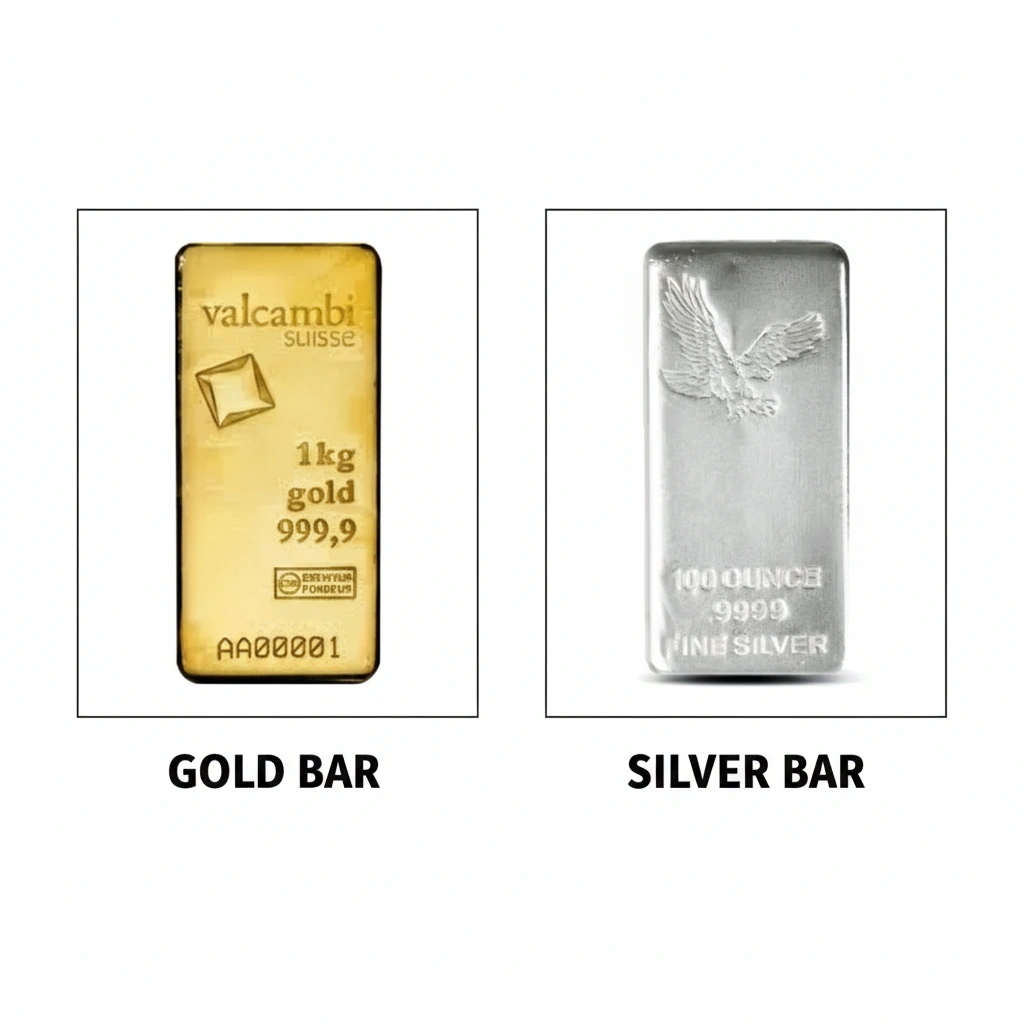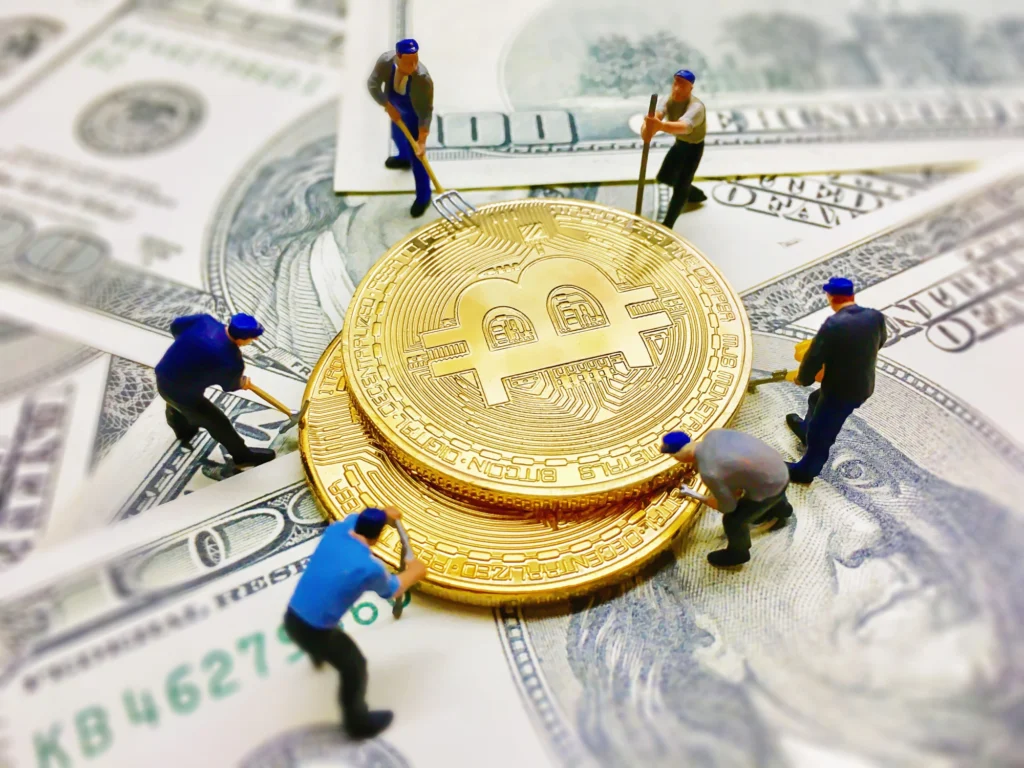
Is your wealth truly safe in a world where digital assets can vanish overnight?
Just a few years ago, crypto investors watched billions evaporate during market crashes, exchange failures, and regulatory crackdowns. Meanwhile, gold quietly held its ground—just as it has for centuries. That contrast has forced a serious rethink among investors, business owners, and financial strategists.
If you’re trying to decide where to allocate capital in an uncertain future, you’re not alone. The debate around gold vs crypto future isn’t just theoretical anymore—it’s shaping real portfolios and business strategies.
In this guide, you’ll learn how gold fits into a post-crypto economy, how crypto vs gold safety compares in real-world scenarios, and how to strategically balance digital vs physical assets for long-term stability and growth.
Why are investors reconsidering the gold vs crypto future?
The gold vs crypto future debate has shifted dramatically since 2022. What was once seen as a “new vs old” argument has become a question of risk management.
The reality check crypto faced
Crypto promised decentralization, speed, and massive returns. But investors learned some hard lessons:
- Exchange collapses wiped out user funds
- Regulatory uncertainty created market volatility
- Security breaches exposed vulnerabilities
According to a 2024 report by Chainalysis, over $3.8 billion was lost to crypto hacks in a single year. That’s not theoretical risk—that’s real capital disappearing.
Gold’s quiet resilience
Gold, on the other hand, has maintained its reputation as a store of value. During economic instability, gold prices tend to rise or remain stable. The World Gold Council reported that global gold demand increased by 18% in 2023 during market uncertainty.
What this means for you
If you’re managing business reserves or personal investments, you’re likely asking:
- Can crypto still be trusted long-term?
- Is gold too slow for modern portfolios?
The answer isn’t binary. The gold vs crypto future is about balance, not replacement.
Is gold really safer than crypto in 2026?
When discussing crypto vs gold safety, the conversation comes down to three core factors: volatility, regulation, and intrinsic value.
Volatility comparison
Crypto:
- Daily swings of 5–20% are common
- Influenced heavily by sentiment and speculation
Gold:
- Moves gradually, often within 1–2% daily
- Driven by macroeconomic factors like inflation and interest rates
Regulation and legal stability
Crypto still operates in a fragmented regulatory environment. In the U.S., especially in financial hubs like Las Vegas, compliance requirements continue to evolve, particularly around taxation and reporting.
Gold, however, is fully regulated and universally recognized. There’s no ambiguity about ownership or legality.
Intrinsic value debate
Crypto relies on:
- Network adoption
- Utility
- Market belief
Gold relies on:
- Physical scarcity
- Industrial use
- Historical trust
Mini case study
In 2022, a mid-sized investment firm diversified heavily into crypto. After market crashes, they lost 40% of portfolio value. By reallocating 25% into gold, they stabilized returns within 18 months.
Takeaway
Crypto can offer high upside, but gold provides downside protection. In terms of crypto vs gold safety, gold still leads in stability.
Buy or Sell Gold & Silver Coins with Confidence
Work with a trusted Las Vegas coin dealer offering fair pricing, honest appraisals, and expert guidance every step of the way.
How does gold fit into a post-crypto economy?
The idea of a post-crypto economy doesn’t mean crypto disappears—it means it matures. And in that maturity, gold plays a critical balancing role.
Gold as a hedge
Gold acts as:
- Inflation protection
- Currency hedge
- Crisis asset
When fiat currencies weaken or digital assets fluctuate, gold provides a stabilizing anchor.
Institutional behavior shift
Large institutions are increasingly combining both assets:
- Hedge funds now allocate 5–15% to gold
- Crypto allocations are becoming more strategic, not speculative
According to a 2025 Goldman Sachs report, 62% of institutional investors now hold both gold and crypto.
Digital vs physical assets balance
In a post-crypto economy:
- Digital assets drive growth
- Physical assets provide security
This dual approach is becoming the new standard.
Expert insight
What I’ve learned from analyzing high-performing portfolios is simple: the most resilient strategies don’t choose between gold and crypto—they use both intentionally.
What are the biggest risks of relying only on crypto?
If you’re leaning heavily into digital assets, you need to understand the downside risks in the gold vs crypto future conversation.
Key risks
- Platform dependency
You don’t truly own your crypto unless it’s in cold storage. Exchanges can freeze or lose funds. - Regulatory crackdowns
Governments can impose restrictions that impact liquidity and accessibility. - Market manipulation
Crypto markets are still susceptible to large-scale manipulation by whales.
Real-world example
In 2023, a startup held 80% of its treasury in crypto. When prices dropped, they couldn’t meet payroll obligations. A diversified strategy would have prevented this.
Pro tip
Never allocate more than 20–30% of your total portfolio to high-volatility assets unless you have strong risk tolerance.
Why do physical assets like gold still matter?
In a digital-first world, physical assets may seem outdated—but they’re more relevant than ever.
Tangibility and trust
Gold is:
- Physically owned
- Not dependent on internet access
- Immune to cyber threats
That matters during systemic disruptions.
Crisis performance
Historically, gold performs well during:
- Economic recessions
- Geopolitical tensions
- Currency devaluation
For example, during the 2008 financial crisis, gold prices rose by over 25% while equities declined sharply.
Psychological factor
Investors trust what they can hold. That trust becomes critical during uncertainty.
Actionable takeaway
If you’re building a long-term strategy, allocate at least 10–20% to physical assets like gold to hedge against systemic risk.
How should you balance digital vs physical assets?
This is where strategy becomes practical. The gold vs crypto future isn’t about choosing sides—it’s about smart allocation.
Sample allocation model
| Asset Type | Allocation Range |
| Gold | 10–25% |
| Crypto | 10–30% |
| Equities | 30–50% |
| Cash/Stable Assets | 10–20% |
Factors to consider
- Risk tolerance
- Investment horizon
- Business liquidity needs
- Regulatory environment (especially in the U.S.)
Mini case study
A Las Vegas-based entrepreneur shifted from 70% crypto exposure to:
- 20% gold
- 25% crypto
- 40% equities
- 15% cash
Result: reduced volatility and improved cash flow stability.
Pro tip
Rebalance your portfolio every 6–12 months. Markets change—your allocation should too.
What trends will shape the gold vs crypto future?
Looking ahead to 2026–2027, several trends will define how these assets coexist.
1. Central Bank Digital Currencies (CBDCs)
Governments are introducing digital currencies, which may:
- Reduce reliance on decentralized crypto
- Increase demand for alternative stores of value like gold
2. Tokenized gold
Blockchain technology is being used to digitize gold ownership. This bridges digital vs physical assets.
3. Increased regulation
Crypto markets will likely become:
- More stable
- Less volatile
- Less speculative
4. Inflation concerns
Persistent inflation will continue to drive demand for gold.
Expert insight
The future isn’t gold replacing crypto or vice versa—it’s integration. The winners will be those who understand how to leverage both.
Sell Gold and Silver Coins to DEI Gold and Silver Coins
If you are considering selling Gold and Silver coins, DEIGOLDANDSILVERCOINS is here to help. Our experienced numismatists provide confidential, same-day appraisals and competitive payouts. You can contact us by phone, live chat, or email for direct assistance.
Customer Reviews
At DEIGOLDANDSILVERCOINS, customer satisfaction is our top priority. Our reputation is built on trust, discretion, and fair dealing. Read our client testimonials to see how we consistently deliver excellence.
Conclusion
The gold vs crypto future isn’t about picking a winner—it’s about building resilience.
Crypto offers innovation, speed, and growth potential. Gold offers stability, trust, and protection. Together, they form a balanced strategy that can weather uncertainty and capitalize on opportunity.
If you’re serious about protecting and growing your wealth, the next step is simple:
- Audit your current allocation
- Identify overexposure risks
- Rebalance with intention
You don’t need to predict the future—you need to prepare for it.
FAQs
1. What is the main difference in gold vs crypto future outlook?
Gold is a stable, long-term store of value, while crypto offers high growth but higher risk. The future likely involves both assets coexisting, with investors balancing security and innovation.
2. Is crypto safer than gold in 2026?
In terms of crypto vs gold safety, gold remains safer due to lower volatility and established regulation. Crypto still carries risks related to security, regulation, and market swings.
3. How much gold should I hold in a digital portfolio?
Most experts recommend 10–20% allocation to gold when balancing digital vs physical assets. This helps reduce volatility and provides a hedge against market downturns.
4. Can gold outperform crypto in the future?
Gold typically doesn’t outperform crypto in rapid growth phases but excels during economic instability. It’s more about protection than aggressive returns.
5. What are the risks of ignoring physical assets?
Relying only on digital assets exposes you to cyber risks, regulatory changes, and extreme volatility. Physical assets like gold provide essential diversification.
6. Are digital gold assets a good compromise?
Yes, tokenized gold combines blockchain efficiency with physical backing. However, you still rely on third-party platforms, so risk remains.
7. Will crypto replace gold completely?
Unlikely. Gold has thousands of years of trust behind it. Crypto will evolve, but gold’s role as a safe haven asset is expected to remain strong.