Introduction
Are you trying to invest in gold but stuck choosing between bullion bars and coins? You’re not alone. Many first-time investors hesitate here because the wrong choice can quietly eat into profits through premiums, liquidity issues, or storage challenges.
According to the World Gold Council (2025), global gold investment demand rose over 15% year-over-year, with retail investors driving most of the growth. That means more beginners are entering the market—but also making avoidable mistakes.
The real problem isn’t lack of options—it’s too many, without clear guidance.
In this guide, you’ll get a practical, no-fluff breakdown of gold bullion vs coins, including cost structures, resale realities, and strategic use cases. By the end, you’ll know exactly which option aligns with your budget, risk tolerance, and long-term financial goals.
What Is the Difference Between Gold Bullion and Gold Coins?
Direct answer (50 words):
Gold bullion refers to gold bars or ingots valued primarily by weight and purity, while gold coins are minted pieces that may carry legal tender status and collectible value. Bullion focuses on investment efficiency, whereas coins combine investment with liquidity and potential numismatic premiums.
Bullion: Pure Investment Vehicle
Gold bullion is typically:
- 24K (99.9% purity or higher)
- Available in bars (1g to 1kg+)
- Priced close to the spot price
Think of bullion as the “wholesale” version of gold investing.
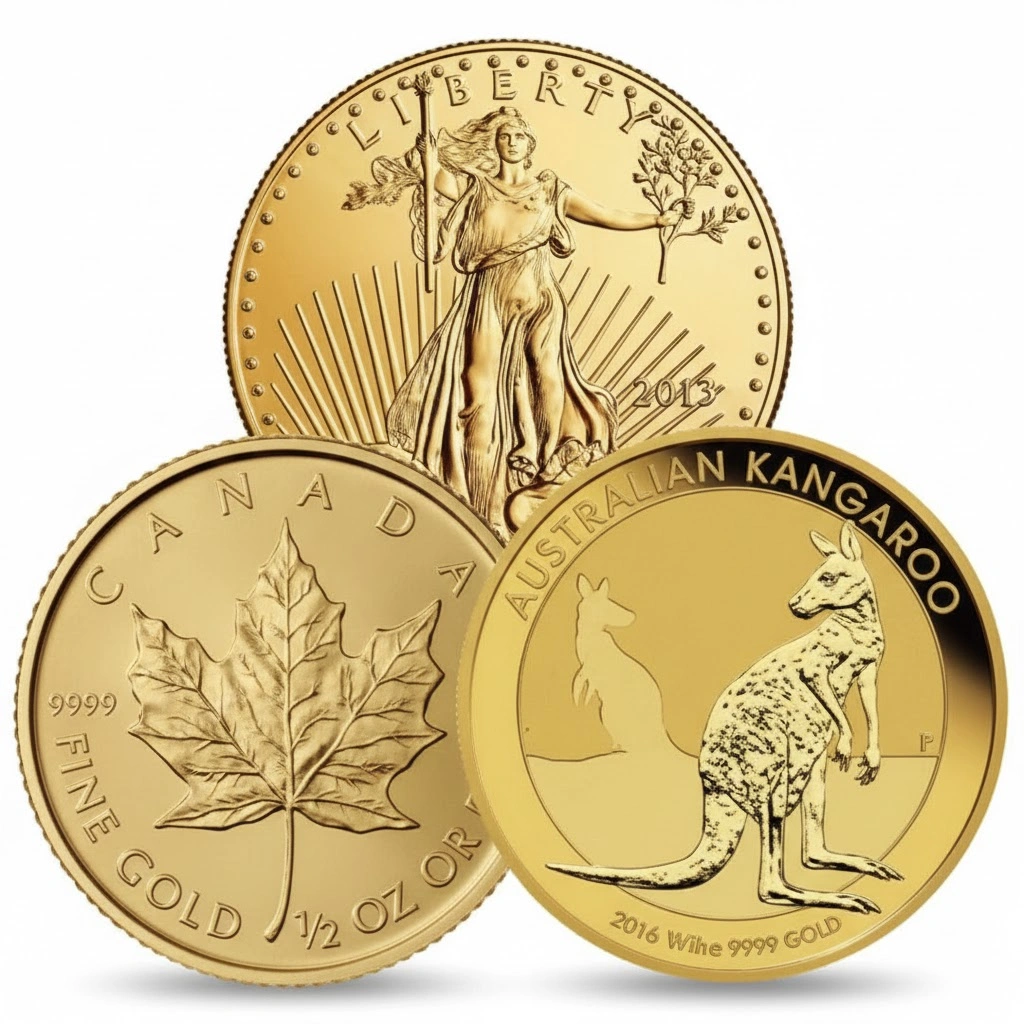
Coins: Investment + Flexibility
Gold coins:
- Are minted by government or private mints
- Often carry face value (e.g., American Eagle)
- May have collectible (numismatic) value
Real-World Example
A beginner I worked with purchased 100g bullion instead of coins. He saved nearly 6–8% in premiums compared to equivalent coin purchases—immediate cost advantage.
Which Is More Cost-Effective for Beginners?
Direct answer (50 words):
Gold bullion is generally more cost-effective because it carries lower premiums over spot price compared to coins. Coins include minting, branding, and distribution costs, which increase their price. Beginners looking to maximize gold per dollar typically benefit more from bullion purchases.
Understanding Premiums
Premium = price above gold’s market (spot) value.
| Type | Typical Premium | Why It Matters |
| Bullion | 1–3% | Best for volume investing |
| Coins | 4–10%+ | Higher cost entry |
Why Coins Cost More
- Minting design costs
- Branding (e.g., government mints)
- Collectibility factors
Expert Insight
If your goal is wealth preservation, not collecting—bullion wins every time.
Case Study
A startup founder allocated $10,000 into gold:
- Bullion: ~$9,700 actual gold value
- Coins: ~$9,100 actual gold value
That’s a ~6% efficiency gap on day one.
Are Gold Coins Easier to Sell Than Bullion?
Direct answer (50 words):
Yes, gold coins are typically easier to sell due to their smaller size, recognizability, and wider buyer demand. Bullion bars, especially larger ones, may require verification and appeal mainly to institutional or experienced buyers, making coins more liquid for beginners.
Liquidity Factors
Coins:
- Easier to sell in smaller units
- Recognized globally
- Accepted by local dealers
Bullion:
- Larger bars = harder to liquidate partially
- Requires authentication in some cases
Practical Example
Selling a 1 oz coin is straightforward. Selling a 100g bar? Not so much—you must sell the entire unit.
Pro Tip
Start with coins if:
- You anticipate needing quick cash access
- You’re testing gold investing
What Are the Risks of Buying Gold Bullion vs Coins?
Both bullion and coins carry risks, including counterfeit products, storage challenges, and price volatility. Bullion is more vulnerable to verification issues when reselling, while coins face higher premium loss if market demand drops. Beginners must prioritize reputable dealers and secure storage regardless of the option chosen.
Key Risks
Bullion Risks
- Harder to verify authenticity
- Larger units reduce flexibility
- Storage logistics for bigger bars
Coin Risks
- Higher premiums reduce margins
- Market demand affects resale value
- Risk of overpaying for “collectible” coins
Data Insight
According to LBMA (2024), counterfeit gold incidents increased by 12% globally—mostly affecting unverified bullion purchases.
Expert Insight
Always buy from:
- LBMA-approved dealers
- Certified online platforms (e.g., APMEX, JM Bullion)
Buy or Sell Gold & Silver Coins with Confidence
Work with a trusted Las Vegas coin dealer offering fair pricing, honest appraisals, and expert guidance every step of the way.
Which Option Is Better for Long-Term Investment?
Gold bullion is better suited for long-term investment due to lower premiums and closer alignment with gold’s market value. Coins may offer additional upside through collectibility but are less predictable. For beginners focused on wealth preservation and portfolio diversification, bullion provides a more efficient long-term strategy.
Investment Strategy Breakdown
Bullion
- Best for holding 5–20 years
- Lower cost basis
- Tracks gold price directly
Coins
- Hybrid strategy (investment + liquidity)
- Potential collectible upside
- Better for active trading
Real-World Insight
High-net-worth investors and institutions overwhelmingly prefer bullion for portfolio allocation.
How Should Beginners Decide Between Bullion and Coins?
Beginners should choose based on budget, investment goals, and liquidity needs. If your priority is maximizing gold value and long-term holding, choose bullion. If flexibility, ease of resale, and smaller transaction sizes matter more, coins are the better option. A balanced approach—starting with coins, then scaling into bullion—is often ideal.
Decision Checklist
Use this quick framework:
- Low budget? → Coins
- Long-term hold? → Bullion
- Need flexibility? → Coins
- Maximize value? → Bullion
Hybrid Strategy (Recommended)
Start with:
- 60% bullion
- 40% coins
Then adjust as you gain experience.
Bullion vs Coins: Side-by-Side Comparison
Gold bullion offers lower costs and better value efficiency, while coins provide liquidity and flexibility. The best choice depends on whether your priority is maximizing gold ownership or maintaining ease of resale. Beginners often benefit from combining both to balance cost and accessibility.
Comparison Table
| Feature | Bullion | Coins |
| Cost Efficiency | High | Moderate |
| Liquidity | Moderate | High |
| Flexibility | Low | High |
| Premium | Low | High |
| Best For | Long-term investors | Beginners & traders |
Sell Gold and Silver Coins to DEIGOLDANDSILVERCOINS
If you are considering selling Gold and Silver coins, DEIGOLDANDSILVERCOINS is here to help. Our experienced numismatists provide confidential, same-day appraisals and competitive payouts. You can contact us by phone, live chat, or email for direct assistance.
Customer Reviews
At DEIGOLDANDSILVERCOINS, customer satisfaction is our top priority. Our reputation is built on trust, discretion, and fair dealing. Read our client testimonials to see how we consistently deliver excellence.
We welcome your feedback and are committed to continually improving your selling experience.
Conclusion
Choosing between gold bullion vs coins isn’t about right or wrong—it’s about alignment with your financial strategy.
Here’s what matters most:
- Bullion gives you maximum value per dollar
- Coins offer liquidity and flexibility
- A hybrid approach reduces risk and improves adaptability
If you’re just starting, don’t overcomplicate it. Begin small, prioritize reputable dealers, and focus on long-term consistency rather than timing the market.
Next steps:
- Explore gold allocation strategies
- Compare physical vs digital gold
- Evaluate storage solutions for security
FAQ Section
1. Is gold bullion better than coins for beginners?
Gold bullion is better for cost efficiency and long-term investing, while coins are better for liquidity. Beginners should choose based on whether they prioritize value or flexibility.
2. What is the main difference between bullion and coins?
Bullion is valued purely by weight and purity, while coins may include collectible value and higher premiums due to minting and demand.
3. Can I lose money buying gold coins?
Yes, especially due to higher premiums. If gold prices don’t rise enough to offset these costs, you may incur losses when selling.
4. Are gold coins easier to sell than bullion?
Yes, coins are generally easier to sell because they are widely recognized and available in smaller denominations.
5. How much gold should a beginner invest in?
According to J.P. Morgan Asset Management (2025), allocating 5–10% of your portfolio to gold can improve diversification and reduce risk.
6. Should I buy gold online or locally?
Both are viable, but online platforms often offer better pricing. Ensure the dealer is reputable and certified.