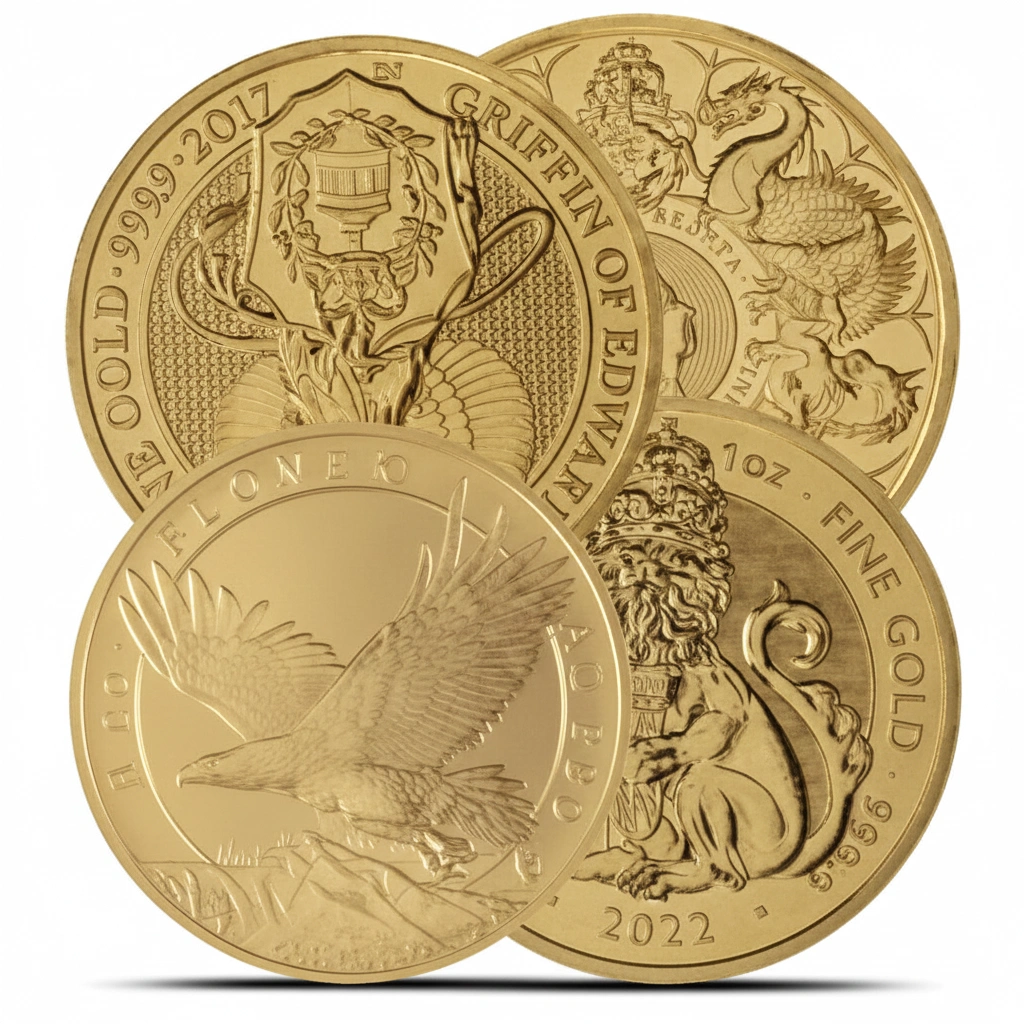
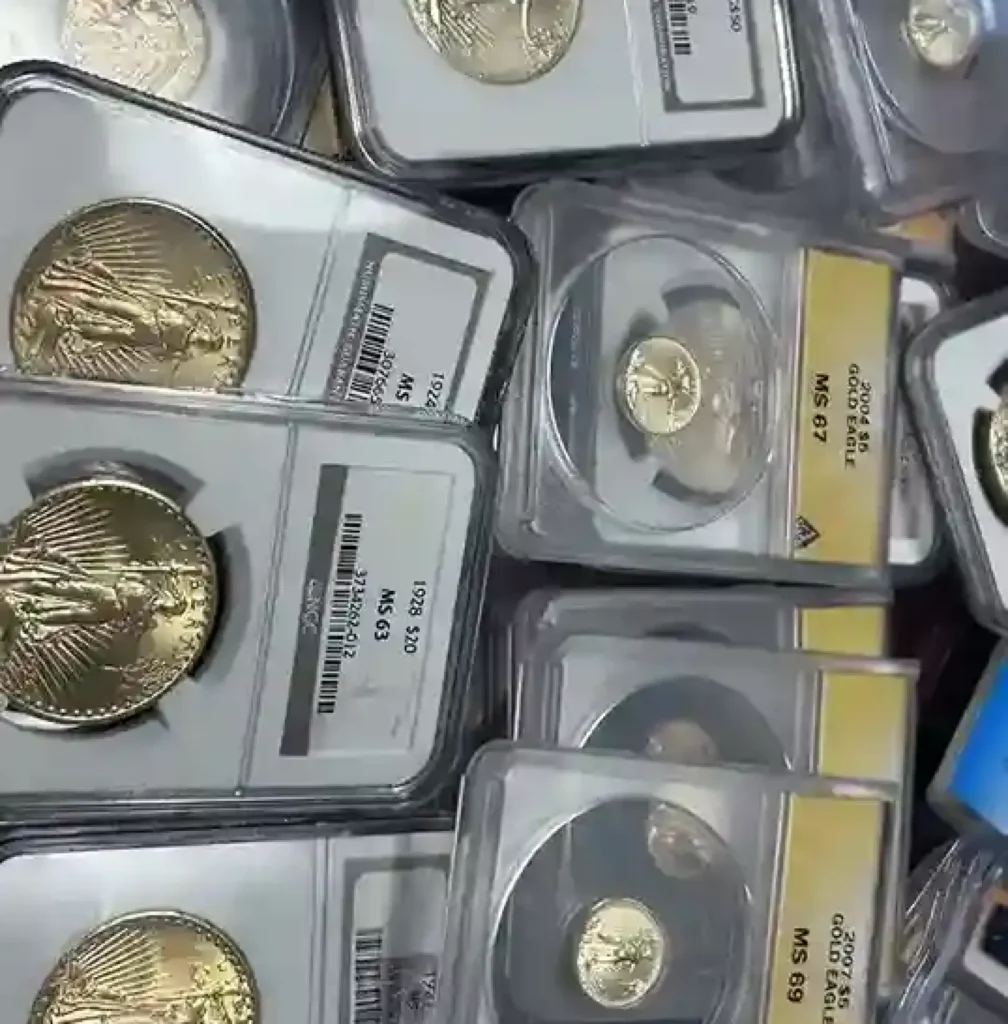
Are you sitting on a stash of gold or silver coins, unsure if it’s the right time to sell?
You’re not alone. Many collectors and investors face the dilemma of whether to hold onto their precious metals or cash in for a profit. While the decision is personal, certain signs indicate when the market conditions are right to sell your gold or silver coins.
IDiscover the 7 Signs that indicate it’s time to liquidate your collection. From market trends and rising coin values to personal financial goals, this guide helps collectors make informed, profitable decisions.
By the end, you’ll understand the 7 crucial signs that tell you it’s the right time to sell your old gold or silver coins—and how to ensure you’re getting the best value for them.
1. Gold and Silver Prices Are at a Peak
When to Sell: When Prices Are High
One key indicator from the 7 Signs is when gold and silver coin values peak. Market fluctuations driven by supply, demand, and economic factors make this the ideal moment to capitalize on rising prices.
For example, during periods of global economic uncertainty, investors flock to gold as a safe haven, driving prices up. If you’ve been holding onto your coins for years, now may be the moment to cash in.
Pro Tip:
Keep an eye on gold and silver price charts, historical trends, and expert market forecasts. Websites like Kitco or The London Bullion Market Association offer up-to-date price tracking.
2. The Demand for Rare Coins Is Rising
When to Sell: When Market Demand Outpaces Supply
Not all gold and silver coins are created equal—rarity, age, historical significance, and condition play a major role in their value. One of the 7 Signs that it’s time to sell is when demand for rare or limited-edition coins rises. Coins in mint condition or from prestigious issuers like the U.S. Mint or Royal Mint can fetch premium prices when collectors are actively seeking them.
Market trends and collector interest also affect coin value. Selling when demand peaks ensures you maximize returns from your Estate Coin Collections, turning your inherited or acquired coins into a profitable investment.
Case Study:
In 2020, the U.S. Mint’s 2020 American Eagle Gold Coin saw a surge in demand due to its limited availability, increasing its resale value by 30% or more.
3. You’ve Received a Favorable Appraisal
When to Sell: After a Professional Appraisal
One of the 7 Signs it’s time to prepare for a sale is getting your Estate Coin Collections professionally appraised. An experienced appraiser can determine fair coin value by evaluating factors such as weight, condition, rarity, and current market trends, ensuring you maximize returns on your gold, silver, and collectible coins in the numismatics market.
A professional appraisal ensures that you’re not underpricing your coins and helps you determine whether it’s the right time to sell based on expert analysis. If the appraisal shows that your coins are worth more than you expected, it’s time to act.
Pro Tip:
Always choose a certified and reputable appraiser who specializes in numismatic coins or precious metals. The American Numismatic Association (ANA) offers a list of qualified appraisers.
Buy or Sell Gold & Silver Coins with Confidence
Work with a trusted Las Vegas coin dealer offering fair pricing, honest appraisals, and expert guidance every step of the way.
4. You Need the Cash for Immediate Expenses
When to Sell: When You Need Liquidity
While many investors buy gold and silver as long-term stores of value, there are times when immediate cash flow is needed. Whether it’s an emergency expense, a business opportunity, or a real estate investment, you may find yourself needing to liquidate your precious metals for financial reasons.
If you need to free up cash for other priorities, selling your gold or silver coins may be the quickest way to generate the liquidity you need.
Pro Tip:
Consider the tax implications of selling your coins, as selling at a profit may trigger capital gains taxes depending on your country’s tax laws.
5. You’ve Achieved Your Investment Goals
When to Sell: When Your Financial Goals Are Met
Many investors purchase gold and silver coins as part of a broader investment strategy. Once your coins have appreciated and met your financial goals, it may be the perfect time to sell. For example, if your original goal was to accumulate assets for retirement or diversification, you may decide to liquidate a portion or all of your holdings once you’ve reached your target.
Expert Insight:
“It’s essential to define your investment goals from the start. If you’ve achieved them, consider rebalancing your portfolio and selling coins that no longer align with your strategy.” – John Doe, Investment Advisor.
6. You’ve Noticed a Shift in Market Trends
When to Sell: When the Market Shows Signs of Decline
The market for gold and silver can be volatile, with periodic cycles of boom and bust. If you notice signs of a market correction or downturn—such as weakening demand or falling prices—it may be time to sell before the value of your coins decreases further.
Example:
In 2013, the price of gold dropped by nearly 30% from its 2012 high. Investors who sold their gold coins before this drop avoided significant losses.
Pro Tip:
Stay informed about economic and geopolitical developments that may influence gold and silver prices. Following market reports and expert analysis can help you time your sale strategically.
7. You Want to Reinvest in a Different Asset Class
When to Sell: When You’re Diversifying Your Portfolio
Diversification is a core principle of smart investing. If your portfolio is heavily concentrated in gold and silver coins, one of the 7 Signs to sell is when rebalancing could reduce risk and free capital for other assets such as stocks, bonds, or real estate.
One of the 7 Signs is when selling a portion of your Estate Coin Collections can support your investment strategy. Doing so allows you to explore new opportunities, maintain a diversified portfolio, and maximize the coin value of your gold, silver, or collectible coins while staying aligned with long-term financial goals.
Case Study:
In 2021, many investors who had accumulated gold coins during the pandemic capitalized on post-pandemic stock market growth. By selling part of their holdings, they leveraged the rally while keeping a portion of their collectible coins for long-term value.
FAQ Section
1. When is the best time to sell my gold coins?
One of the 7 Signs to sell is when market prices for gold coins are high, particularly during periods of economic uncertainty. Monitoring market trends and obtaining a professional appraisal ensures you sell your Estate Coin Collections at peak coin value, maximizing returns for rare and collectible coins.
2. How can I determine the value of my silver coins?
To determine the value of your silver coins, consider factors like the current market price of silver, the coin’s weight, and any numismatic value. Getting a professional appraisal is a good way to get an accurate value.
3. Should I sell my gold or silver coins immediately after appraisal?
One of the 7 Signs that it may be time to sell is when you’ve received a favorable appraisal and market conditions are strong. If prices for gold or silver coins are high, selling can help you lock in maximum coin value and capitalize on demand from collectors and investors in the numismatics market.
4. What are the tax implications of selling my coins?
One of the 7 Signs it may be time to prepare for a sale is understanding potential tax liability. Depending on your location, selling gold or silver coins for a profit can trigger capital gains taxes. Consulting a tax professional ensures you comply with regulations and maximize the net value of your Estate Coin Collections, while protecting your investment in rare or collectible coins.
5. How do I know if my coins are rare enough to sell for a higher price?
Rare coins, especially those with historical significance or limited mintages, can fetch a higher price. Have your coins evaluated by a certified numismatist to determine if they hold additional value beyond their precious metal content.
6. Can I sell my gold coins back to the Mint?
In most cases, you cannot sell gold coins directly back to the Mint. However, you can sell them to coin dealers or through auction platforms that specialize in precious metals.
7. Should I sell all my gold or silver coins at once?
Deciding to sell your Estate Coin Collections depends on your financial goals. One of the 7 Signs it may be time to sell is when you’ve reached your target profit or need liquidity. Selling a portion of your gold or silver coins can align with your overall portfolio strategy, helping you maximize coin value while maintaining a balanced investment approach in the numismatics market.
Conclusion
Deciding when to sell your gold and silver coins involves multiple factors, including market trends, appraisal values, personal financial needs, and investment goals. By watching for these 7 Signs, you can identify the optimal time to sell your Estate Coin Collections, ensuring you maximize coin value and make informed decisions in the numismatics market.