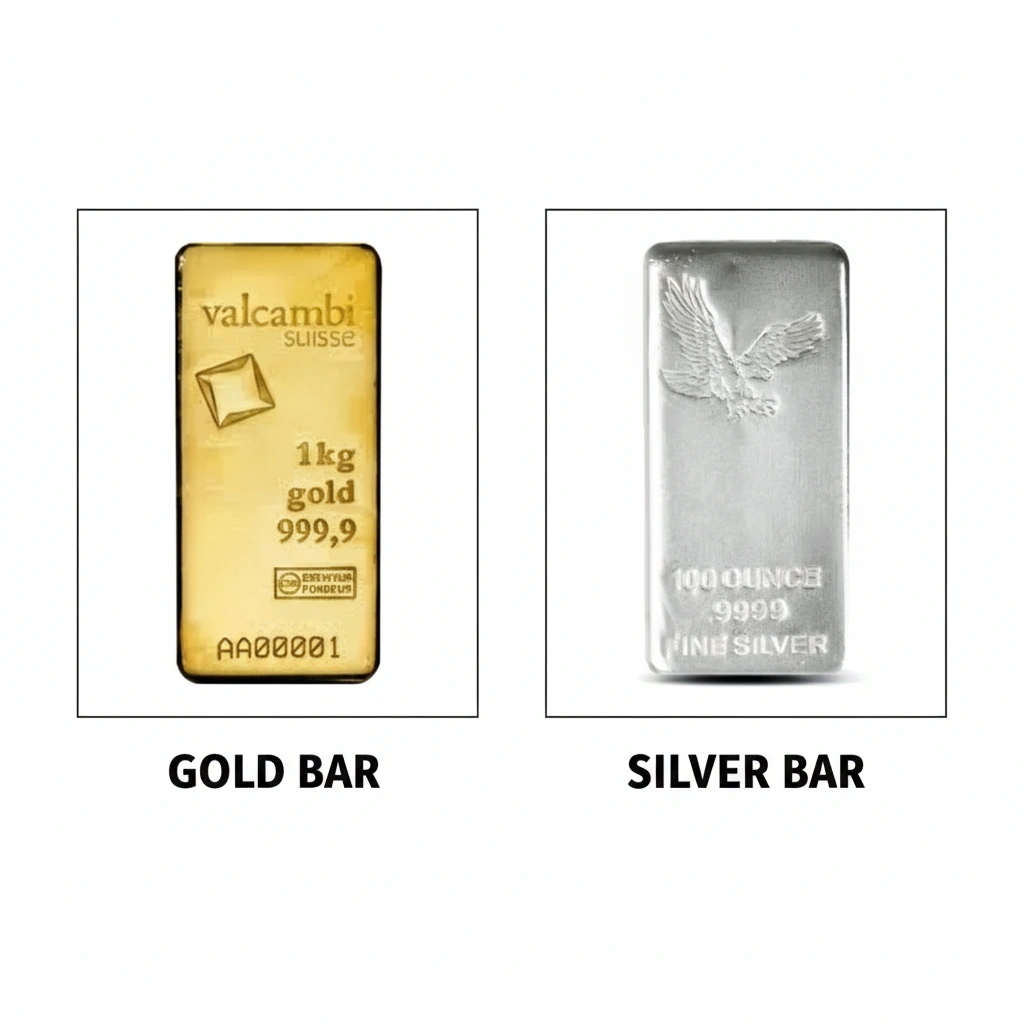
If you’re comparing states before you buy gold or silver, taxes are usually the deciding factor. Nevada sales tax on gold and silver works differently than in most of the country: the state does not apply sales tax to most bullion and coin purchases, but the rule has real conditions attached, and it’s easy to misread. This guide walks through exactly what qualifies for the exemption, what doesn’t, how Nevada compares to other states, and what federal taxes still apply once you decide to sell. Whether you’re a first-time buyer or adding to an existing position, knowing these rules before you walk into a shop — or check out online — can save you real money.
How Nevada Treats Sales Tax on Precious Metals
Nevada’s sales and use tax regulations (NAC 372.170) draw a clear line based on purpose, not just the product itself. The rule is built around whether a coin or piece of bullion is being sold as a medium of exchange — meaning it’s valued close to its metal content or face value — or as a collector’s item sold at a steep premium above that value.
In practice, this means:
- Bullion sold at a price close to its metal value (spot price plus a modest dealer premium) is generally not taxed.
- Coins sold at a premium exceeding 50% of their face value are treated as collectibles and are taxable.
- Bullion sold specifically as a medium of exchange — rather than as an investment or collectible — is exempt regardless of premium.
This is genuinely more favorable than the sales tax treatment in many other states, where bullion, coins, or both can carry the full state sales tax rate. It’s one of the reasons Las Vegas attracts precious metals buyers from neighboring states like California and Arizona, where bullion exemptions are narrower or don’t exist at all.
What Actually Qualifies for Tax-Free Bullion in Nevada
Not everything with “gold” or “silver” in the name qualifies. Here’s a practical breakdown:
| Product Type | Nevada Sales Tax Treatment |
| Gold and silver bullion bars (standard investment-grade) | Generally exempt |
| U.S. Mint bullion coins (e.g., American Eagles, sold near spot) | Generally exempt |
| World bullion coins sold near metal value | Generally exempt |
| Rare or numismatic coins sold at a large premium over face value | Taxable |
| Graded/certified collector coins with strong premiums | Often taxable |
| Fine jewelry | Taxable (standard retail sales tax applies) |
The key distinction is premium over face or metal value, not the type of coin. A common-date American Gold Eagle bought near spot price is treated very differently for tax purposes than a rare, certified coin selling for several times its metal content because collectors are paying for scarcity and grade, not the gold itself.
A Practical Example: Buying American Gold Eagles in Las Vegas
Say a Las Vegas investor walks into a local coin shop to buy five one-ounce American Gold Eagles as a straightforward bullion purchase, priced near the day’s spot price plus a standard dealer premium. Because these coins are being sold and purchased essentially as a medium of exchange rather than as collectibles, the transaction typically falls under Nevada’s bullion exemption — no state sales tax applied.
Now compare that to a collector buying a single, professionally graded Gold Eagle from a limited mintage year, priced well above its metal content because of its rarity and condition. That transaction is priced primarily for its numismatic value, not its gold content, so it’s more likely to fall outside the exemption and be subject to sales tax.
This is exactly why working with an experienced, licensed dealer matters — a knowledgeable numismatist can tell you up front how a specific coin or bar will be taxed before you commit to the purchase.
Buy or Sell Gold & Silver Coins with Confidence
Work with a trusted Las Vegas coin dealer offering fair pricing, honest appraisals, and expert guidance every step of the way.
Tax-Free Bullion Nevada vs. Other States
Nevada’s approach puts it in a favorable category, but it’s not unique. States generally fall into three groups:
- Full exemption states — bullion and investment-grade coins are exempt regardless of premium, often with no thresholds. Texas and Utah are examples.
- Conditional exemption states like Nevada — exemption applies based on how close the sale price is to metal or face value, with numismatic premiums taxed.
- Fully taxable states — sales tax applies to bullion and coin purchases the same as any other retail good, sometimes with a minimum purchase threshold for partial exemption.
For everyday bullion buyers — someone building a position in gold or silver coins and bars near spot price — Nevada functions close to a full exemption in practice. For collectors chasing rare dates, certified grades, or scarce mint errors, the premium-based rule means some purchases will still carry tax.
Gold Coin Sales Tax Las Vegas: What You’ll Actually Pay
For most standard bullion transactions in Las Vegas, buyers pay:
- The spot price of gold or silver on the day of purchase
- A dealer premium, which covers minting, distribution, and dealer margin (this varies by product — bars typically carry lower premiums than coins)
- No Nevada state sales tax, assuming the purchase qualifies as bullion/medium-of-exchange rather than a numismatic collectible
There’s no separate Las Vegas or Clark County sales tax carve-out here — the exemption comes from state-level regulation (NRS 372 and NAC 372.170), so it applies the same way whether you’re buying in downtown Las Vegas, Henderson, or anywhere else in Nevada. Clark County’s general sales tax rate (around 8.375% as of 2026) simply doesn’t apply to qualifying bullion transactions.
Silver Bullion Tax Exemption: Does It Work the Same Way?
Yes — silver follows the same NAC 372.170 framework as gold. Standard silver bullion bars and common bullion coins like American Silver Eagles, sold near spot price, fall under the same exemption logic. The premium-based test applies equally: a silver bar priced near its melt value is treated differently than a graded, certified silver dollar sold well above its silver content for its collector appeal.
One nuance worth knowing: silver’s lower per-ounce value means premiums can represent a larger percentage of the purchase price than with gold, especially on smaller bars and rounds. That doesn’t automatically make a purchase taxable — the rule is about premium relative to face value for coins, not simply a high percentage markup on bullion priced by weight — but it’s worth asking your dealer to walk through the specifics on unusual products.
Federal Taxes Still Apply, Even When Nevada Tax Doesn’t
Nevada’s sales tax exemption only covers the purchase. It has no bearing on federal tax obligations when you eventually sell. The IRS classifies physical gold and silver as collectibles, which means:
- Long-term gains (metals held more than one year) are taxed at a maximum federal capital gains rate of 28% — higher than the standard long-term capital gains brackets that apply to stocks.
- Short-term gains (held one year or less) are taxed as ordinary income.
- Nevada has no state income tax, so unlike many states, there’s no additional state-level bite on those gains — one more reason Nevada is comparatively favorable for precious metals investors over the full ownership cycle, from purchase through eventual sale.
Because these are personal tax outcomes, they depend on your income bracket, holding period, and overall financial picture — this is general information, not personalized tax advice, and a CPA or tax professional can confirm how it applies to your specific situation.
How to Confirm a Purchase Qualifies as Tax-Exempt
Before buying, it’s reasonable to ask a dealer directly how a specific product will be taxed. A transparent, established dealer should be able to explain:
- Whether the specific coin or bar is priced near spot/face value or carries a numismatic premium
- How that premium compares to the 50%-of-face-value threshold for coins
- Whether the purchase will be itemized with sales tax or treated as exempt bullion
Getting this in writing on your receipt, not just a verbal assurance, protects you if questions come up later — particularly for larger purchases.
Getting Started
If you’re new to buying gold or silver in Nevada, the most reliable approach is a walk-in conversation with a licensed dealer who can price your specific products, explain the tax treatment upfront, and answer questions about storage, resale, or later rolling holdings into a retirement account. That kind of direct explanation, before money changes hands, is worth more than any generic tax rule of thumb.
Conclusion
Nevada’s sales tax treatment of gold and silver is genuinely favorable for buyers, but it hinges on how a coin or bar is priced relative to its metal or face value — not simply on the fact that it’s “precious metal.” Standard bullion purchased near spot price is typically tax-free, while rare or heavily premium-priced collectibles can still carry sales tax, and federal capital gains rules apply regardless of state treatment when you eventually sell. DEI Gold & Silver Coins, a licensed Las Vegas dealer certified by CAC, NGC, PCGS, GIA, and AGL, can walk you through exactly how a specific purchase will be taxed before you buy.
Frequently Asked Question's
Generally, no. Nevada exempts most gold bullion and standard bullion coins from state sales tax when they’re sold near their metal value rather than as collectibles. Coins sold at a premium above 50% of face value, or graded collector pieces sold well above metal value, can still be taxed.
Standard silver bullion coins and bars sold near spot price typically qualify for the same exemption as gold. Rare, certified, or heavily marked-up numismatic silver coins may still be subject to sales tax, since the exemption is based on premium over value, not the metal type.
No — Nevada has no state income tax, so gains from selling precious metals aren’t taxed at the state level. You’ll still owe federal capital gains tax, since the IRS treats physical gold and silver as collectibles subject to its own tax rules.
No. Fine jewelry is treated as standard retail merchandise and is subject to Nevada’s regular sales tax, unlike investment-grade bullion and qualifying bullion coins.
No specific dollar minimum applies under Nevada’s rule — the exemption is based on how the item is priced relative to its metal or face value, not the size of the purchase. A single qualifying coin or bar can be exempt just as a larger order can.