Have you recently inherited a coin collection and found yourself unsure of what to do with it?
Whether you’ve inherited a small group of vintage silver coins or a substantial gold portfolio, evaluating and selling estate coin collections can feel complex and overwhelming. Many heirs underestimate the true worth of inherited coins, which can lead to undervaluation, missed financial opportunities, or improper handling of historically significant assets.
In this guide, we’ll walk you through a clear, step-by-step approach to assessing and selling estate coin collections, with a focus on gold and silver holdings. You’ll learn how to evaluate condition, rarity, metal content, and market demand, as well as understand grading, authentication, and the most reliable selling channels. With the right knowledge and strategy, you can preserve value, make informed decisions, and maximize returns from inherited numismatic assets.
1. What Makes Estate Coin Collections Valuable?
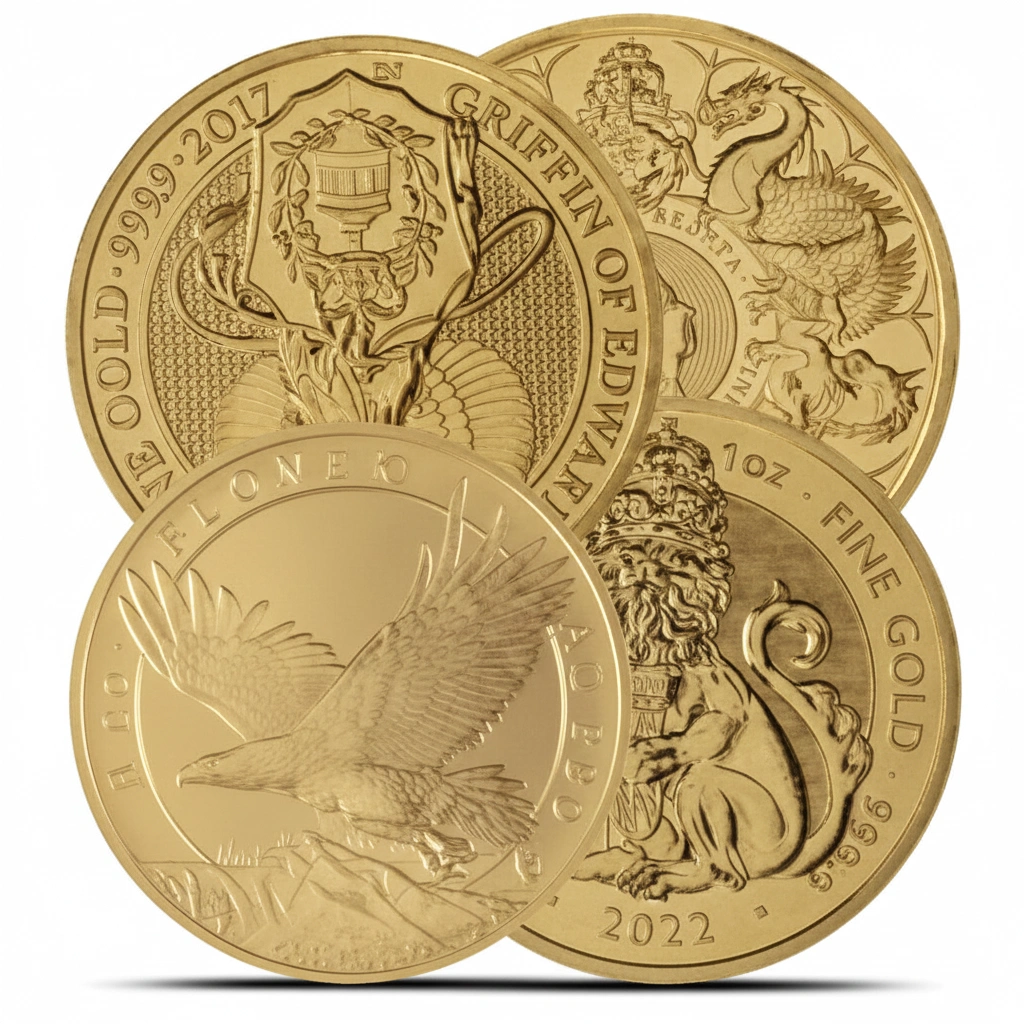
When evaluating gold and silver coins, their worth is rarely determined by metal content alone. Within estate coin collections, inherited coins can vary significantly in value based on factors such as rarity, condition, historical significance, and current collector demand. While the intrinsic value of gold or silver provides a baseline, numismatic value—driven by age, grade, scarcity, and provenance—often represents the true premium. Understanding this distinction is essential for accurately assessing inherited assets and maximizing their long-term financial and historical value.
Pro Tip:
Always check for special marks or features such as mint marks, year of issue, and any rare historical significance that might increase the coin’s numismatic value.
2. How to Identify the Key Factors That Affect Coin Value
Before you can evaluate the worth of your estate coin collection, you need to understand the key factors that impact a coin’s value:
- Rarity: The more rare a coin is, the more valuable it can be. This could be because of low mintage numbers, errors in production, or because it comes from a specific period in history.
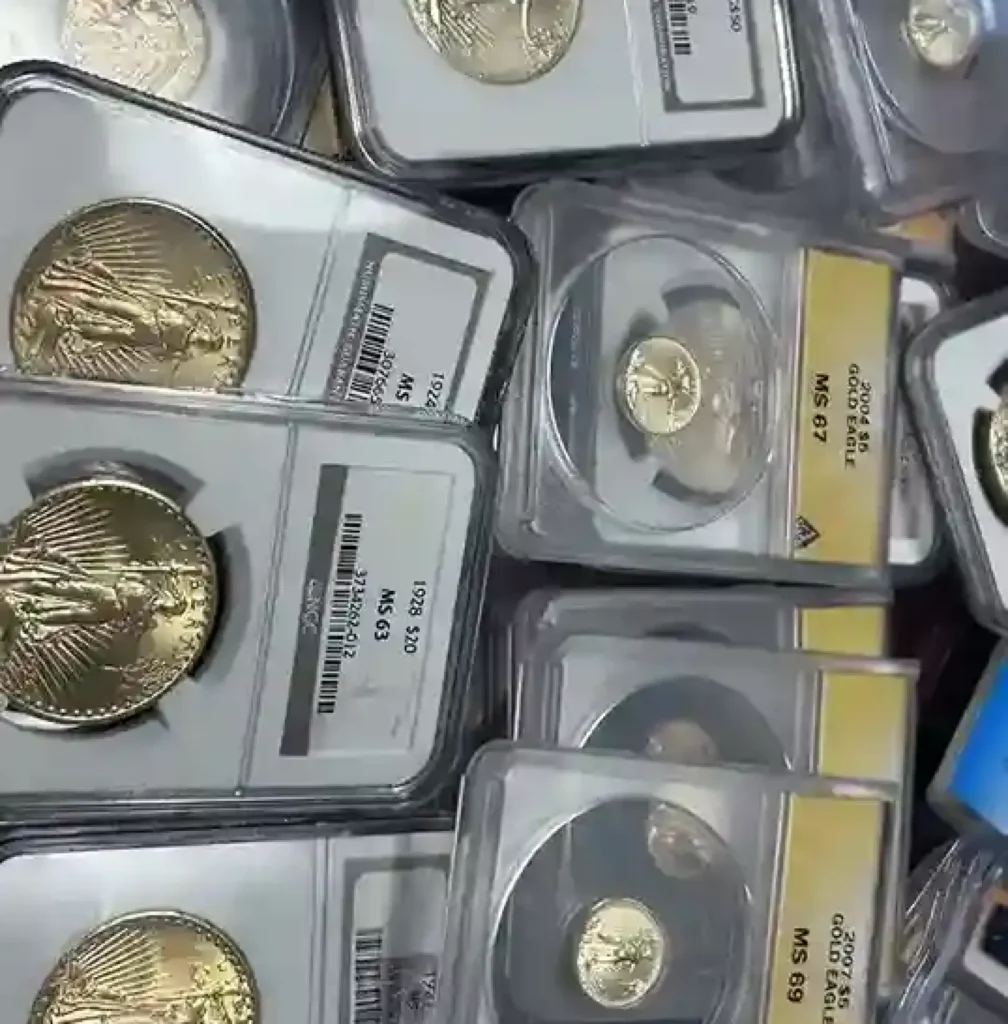
- Condition: Coins that are in better condition—meaning they have minimal wear and tear—will fetch a higher price. Coin grading systems like the Numismatic Guaranty Corporation (NGC) and the Professional Coin Grading Service (PCGS) use a scale from 1 (Poor) to 70 (Mint State) to rate the condition of a coin.
- Demand: Coins linked to historical events, notable figures, or famous locations are highly sought after by collectors. For Estate Coin Collections, such rarity and demand can significantly increase coin value, making them prized assets for investors and enthusiasts alike.
- Metal Content:
The material of coins—gold, silver, or platinum—directly impacts their value. In Estate Coin Collections, market fluctuations in precious metals can significantly influence coin prices and overall investment potential.
Example:
A 1907 $20 Saint-Gaudens Double Eagle in mint condition recently sold for over $1.5 million, far exceeding its intrinsic value due to its rarity and historical significance.
3. How to Assess the Condition of Your Coins
The condition, or grade, of a coin is one of the most important aspects in determining its value. Coins are typically graded using the following terms:
- Uncirculated (MS60-MS70): These coins have never been used in circulation and are in pristine condition.
- Extremely Fine (EF40-EF45): Shows slight wear but is still in great shape.
- Fine (F12-F15): Shows moderate wear with clearly visible details.
- Good (G4-G6): Significant wear with readable details but low value.
Expert Insight:
If you’re unsure about your coins’ grades, it’s worth sending them to a professional grading service like NGC or PCGS to get an official grade, which will help you in negotiations when selling.
Buy or Sell Gold & Silver Coins with Confidence
Work with a trusted Las Vegas coin dealer offering fair pricing, honest appraisals, and expert guidance every step of the way.
4. How to Research the Market Value of Your Estate Coins
Knowing the current market price for your coins is crucial. Here are some ways to get an accurate estimate:
- Online Marketplaces: Websites like eBay or Heritage Auctions can give you a sense of what similar coins are selling for. Just make sure to compare prices of similar-grade coins.
- Coin Dealers and Experts: Reach out to reputable coin dealers who specialize in gold and silver coins. They can give you a professional valuation.
- Price Guides: Consult resources like the Red Book (The Guide Book of United States Coins), which lists values for many popular coins, or use online databases that track gold and silver coin values.
Real-World Example:
A 1901 Morgan Silver Dollar in average condition can be worth around $35, but if it’s in near-perfect condition (MS-65), its value can skyrocket to over $10,000 due to demand among collectors.
5. Should You Sell Your Estate Coins or Keep Them?
Deciding whether to sell your inherited coin collection or hold onto it can be a tough decision. Some collectors prefer to keep rare coins for long-term investment purposes, while others might want to sell them to fund other projects or investments.
Pros of Selling:
- Quick access to cash.
- Coins can be sold to collectors or dealers willing to pay top dollar.
Cons of Selling:
- Potential regret if the value of the coins increases over time.
- Emotional attachment to family heirlooms.
Pro Tip:
If you’re uncertain about selling, consider getting an appraisal from a trusted expert. Some collectors also choose to sell a portion of their collection while retaining the most sentimental or valuable pieces.
6. Where and How to Sell Your Estate Coin Collection
Once you’ve evaluated your coins and decided to sell, there are several options for selling them:
1. Online Marketplaces (eBay, Heritage Auctions):
- Great for rare or collectible coins.
- You can reach a global audience, but be aware of fees and auction risks.
2. Coin Dealers:
- Sell directly to dealers who will offer an immediate sale, but they may offer less than what you’d get through auctions.
3. Coin Shows and Auctions:
- You’ll get to meet collectors and experts who may pay top dollar.
4. Private Sales:
- Selling privately can be lucrative if you know a buyer willing to pay a fair price, but it requires more effort in terms of finding a trustworthy buyer.
Expert Insight:
Selling through an auction house or a reputable coin dealer may yield a higher price, especially if the coin is rare or in high demand. Always ask for proof of legitimacy before entering into any deals.
7. How to Avoid Scams When Selling Estate Coins
Scams are unfortunately common in the world of Estate Coin Collections. To safeguard your valuable coins, work only with reputable coin dealers or certified auction houses, verify the authenticity of rare and collectible coins, and obtain written agreements before any transactions. Consulting numismatic experts and seeking multiple appraisals can further ensure that your Estate Coin Collections retain their true value and remain secure.
- Research the Dealer: Ensure the coin dealer has a solid reputation and positive reviews.
- Get Multiple Offers: Don’t settle for the first offer. Shop around to get the best deal.
- Know Your Rights: If you’re selling coins online, read up on return policies, shipping insurance, and payment terms.
Pro Tip:
Always ask for a written agreement when selling your coins, and if possible, sell your coins in person at a reputable venue.
8. What to Do After Selling Your Estate Coin Collection
Once your estate coin collection has been sold, it’s time to make sure the process is handled correctly:
- Track Your Sales: Keep a record of all transactions, including appraisals, offers, and final sales.
- Pay Taxes: Depending on the size and nature of your sale, you might be required to pay taxes on any profits earned. Consult a tax professional for advice.
Case Study:
Jane inherited a valuable set of silver coins as part of her Estate Coin Collections. She chose to sell them through a reputable auction house, ensuring she reached serious collectors who valued rare and collectible coins. The sale provided extra income, which she wisely invested in her retirement plan. To safeguard her gains and comply with regulations, Jane consulted a tax professional, avoiding any potential pitfalls while maximizing the value of her Estate Coin Collections.
FAQ Section
1. How do I know if my inherited coins are valuable?
Evaluate your Estate Coin Collections for rarity, condition, and historical significance. Professional numismatic grading services can provide an official assessment, giving your coins verified value for potential buyers or auctions.
2. Can I sell my estate coins online?
Yes, you can sell parts of your Estate Coin Collections through trusted platforms like eBay or Heritage Auctions. However, be aware of fees and ensure the legitimacy of buyers to protect the value of your rare or collectible coins.
3. What is the best way to preserve inherited coins?
Store your Estate Coin Collections in a safe, dry environment using protective holders. Avoid cleaning coins, as improper handling can reduce their numismatic and investment value.
4. How do I avoid scams when selling my coin collection?
Work with reputable coin dealers or auction houses. Always research their credibility, obtain multiple offers, and secure written agreements to protect your Estate Coin Collections from fraud.
5. Should I sell my entire coin collection?
Deciding to sell all or part of your Estate Coin Collections depends on your goals. Some collectors retain rare coins for sentimental or long-term investment value, while others may liquidate their collections for financial reasons.
Conclusion
Selling inherited coins can be a rewarding process, but it requires careful evaluation, market awareness, and informed decision-making. Managing estate coin collections effectively involves understanding both intrinsic metal value and numismatic significance, as well as obtaining professional appraisals when needed. Whether you choose to sell immediately or retain select pieces, proper documentation, preservation, and timing are essential. By taking a strategic approach, you can protect historical value while maximizing financial returns from inherited assets.