Coins are not just pieces of currency; they are valuable pieces of history, prized for their rarity, condition, and beauty. If you’re a coin collector or investor, understanding coin grading certificates is essential to making informed buying and selling decisions. But with so many grading systems out there, how do you know if you’re getting your money’s worth? Let’s break down how to read and understand a coin grading certificate, focusing on two of the most respected coin grading agencies—PCGS (Professional Coin Grading Service) and NGC (Numismatic Guaranty Corporation).
What is a Coin Grading Certificate?
A coin grading certificate is a detailed report provided by a third-party coin grading service like PCGS or NGC. This document evaluates the coin’s condition based on a set of strict guidelines. The certificate includes essential information about the coin’s grade, authenticity, and other key attributes. It is a crucial tool for determining the coin’s market value, with higher grades often resulting in higher value.
Why is a Coin Grading Certificate Important?
Understanding how to read a coin grading certificate is crucial because it:
- Ensures Authenticity: Grading services like PCGS and NGC certify that the coin is genuine and not counterfeit.
- Determines Market Value: A coin’s grade significantly impacts its price, making the certificate essential for assessing its worth.
- Helps with Investment: For investors, a certified coin is an investment-grade asset with proven value, making it easier to buy or sell.
PCGS vs NGC: Which One to Trust?
Both PCGS and NGC are trusted names in the numismatic world, but they have slightly different approaches to grading. While both grading services follow a similar 70-point scale, the way they handle specific coins and assign grades may vary. Let’s break it down.
PCGS Grades
- Common Grades: PCGS uses a scale from 1 to 70, where 70 is a perfect coin. The grades fall into several categories such as:
- MS (Mint State): A coin that has never been circulated.
- PR (Proof): Coins that are struck using a special process to produce a high-quality, mirror-like finish.
- AU (About Uncirculated): A coin that is in nearly perfect condition but shows slight wear.
- Grading Labels: PCGS uses labels like “Deep Cameo” or “First Strike” to indicate unique qualities.
NGC Labels
- Similar Grade Scale: NGC also uses the 1-70 scale, but adds additional labels such as:
- Star: Indicating excellent eye appeal.
- Plus (+): Denotes a coin that exceeds the criteria for its assigned grade.
- Early Releases: Denotes coins that were graded within a set timeframe after minting.
Both PCGS and NGC offer similar features, but knowing the distinctions can help you make better decisions.
Buy or Sell Gold & Silver Coins with Confidence
Work with a trusted Las Vegas coin dealer offering fair pricing, honest appraisals, and expert guidance every step of the way.
How Do You Read a Coin Grading Certificate?
Now that you know the basics of what a coin grading certificate contains, let’s dive into how to read one effectively.
1. Understand the Coin’s Grade
The grade is the most important piece of information on the certificate. This determines the overall condition of the coin. Here’s how to decode it:
- Mint State (MS) or Proof (PR): Coins graded MS or PR are in uncirculated condition. They are usually the highest-grade coins and most valuable.
- About Uncirculated (AU): These coins have minor wear but are still considered in excellent condition.
- Lower Grades: Coins graded as VG (Very Good) or G (Good) show more signs of wear and are typically less valuable.
2. Look for the Date and Mintmark
A key piece of information on the certificate is the date of the coin, which tells you when it was minted, and the mintmark, which shows where it was produced. These details can have a significant impact on the coin’s value.
- Mintmark Locations: Popular mintmarks include “D” for Denver, “S” for San Francisco, and “W” for West Point.
- Rarity and Demand: Coins from certain years or mints are rarer and often carry a premium.
3. Check for Special Labels and Designations
PCGS and NGC offer specific designations that can further affect a coin’s value. These include:
- First Strike: A coin that was struck early in the production process, often seen as more desirable.
- Deep Cameo: Refers to proof coins with strong contrasts between the background and raised elements, which enhances visual appeal.
- Early Release: Indicates the coin was among the first struck after minting, potentially increasing its market value.
4. Examine the Certification Number
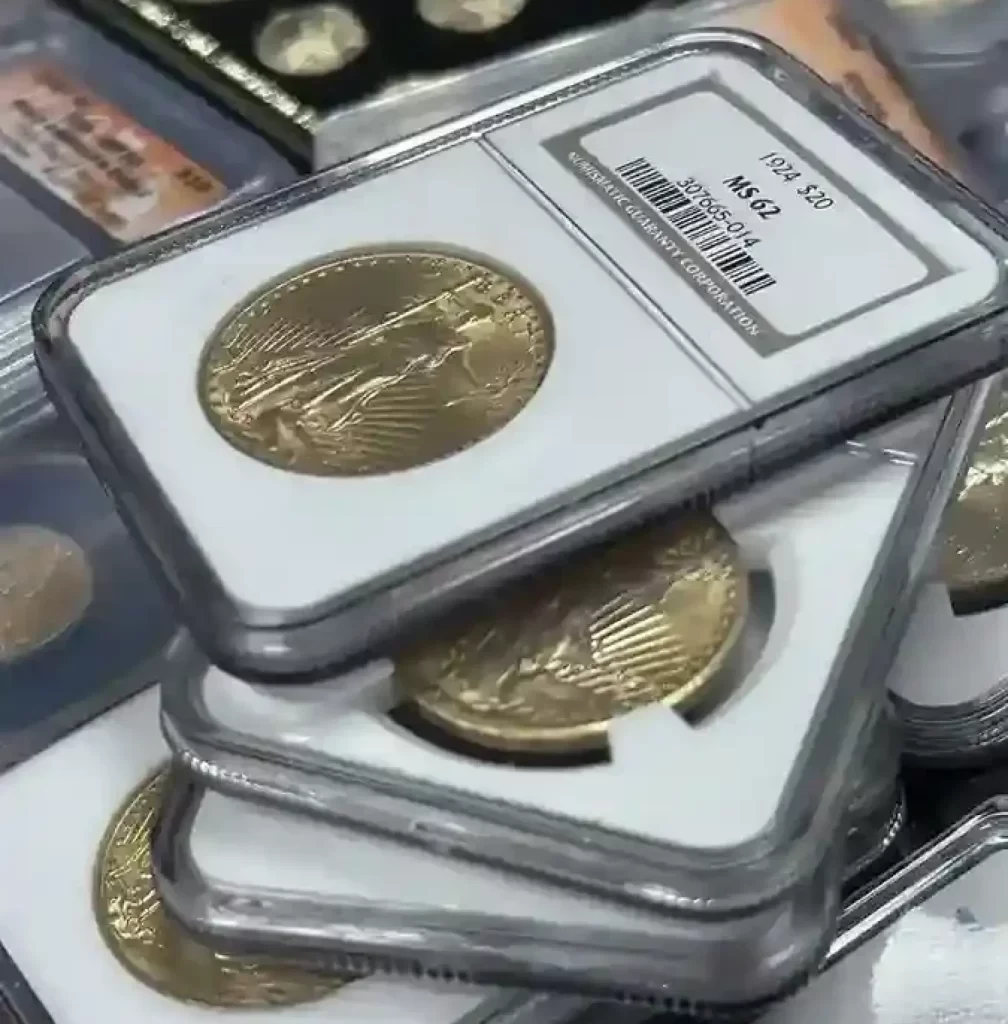
Both PCGS and NGC provide a unique certification number that corresponds to the coin’s specific record. This allows you to verify the coin’s authenticity and grade by visiting the official website of PCGS or NGC.
5. Review the Coin’s Packaging
While the coin’s grade and certificate are crucial, you also want to look at how the coin is presented. Both PCGS and NGC provide tamper-evident holders that protect the coin from environmental damage and further wear.
Pro Tips for Understanding Coin Grading Certificates
- Don’t Rely on the Label Alone: While labels like “First Strike” or “Deep Cameo” sound impressive, always double-check the coin’s overall grade and condition. Sometimes, these labels can be applied to coins with slightly lower grades.
- Know the Price Fluctuations: Coin value can fluctuate based on its condition, demand, and the market. Always check for the most recent sales of similar coins to gauge the current market value.
- Seek Expert Advice: If you’re new to coin collecting, or unsure about a coin’s grade, consider seeking out expert advice. Dealers or professional appraisers can provide additional insights into your coin’s condition.
- Watch Out for Overgrading: Some coins are overgraded by dealers or sellers in an attempt to make them appear more valuable. Be cautious and rely on trusted certification agencies like PCGS and NGC for an unbiased evaluation.
Real-World Example: Understanding a Coin Grading Certificate
Let’s take an example of a 1933 Saint-Gaudens Double Eagle coin. Here’s how you would break down the coin grading certificate:
- Grade: MS-66, meaning it’s in mint state with almost no signs of wear.
- Mintmark: None, which tells us it was struck at the Philadelphia Mint.
- Special Designations: This coin may be marked with “First Strike” or “Deep Cameo” depending on when it was minted and the visual quality.
- Certification Number: A unique number that allows you to verify the coin’s history and grade via the NGC or PCGS website.
How to Use Coin Grading Certificates to Make Informed Decisions
Coin grading certificates allow you to make informed purchasing decisions based on the actual condition of a coin, not just what the seller says. When buying, ensure that the certificate accurately reflects the coin’s condition and has been issued by a reputable grading service like PCGS or NGC.
Why It Matters for Buyers
Understanding the coin certification process is crucial for any collector or investor, as it can save you from significantly overpaying for a coin. For instance, if a coin is graded at MS-65 but listed at the price of an MS-70, you could end up overpaying by hundreds—or even thousands—of dollars. This happens because higher-grade coins are exponentially more valuable, and pricing mistakes can easily mislead inexperienced buyers. On the other hand, investing in a coin that has been accurately graded by reputable services like PCGS or NGC can provide confidence in both authenticity and quality. A properly graded coin not only holds its value but can also appreciate over time, making it a smart addition to a collection or investment portfolio. By learning to read and understand certification details, you equip yourself with the knowledge to make informed, confident purchasing decisions while protecting your financial investment.
FAQ Section
1. What is a coin grading certificate?
A coin grading certificate is a detailed document issued by third-party grading services like PCGS or NGC that provides a comprehensive evaluation of a coin’s authenticity and condition.
2. Why is coin grading important?
Coin grading is important because it determines the value of the coin based on its condition. A higher grade typically translates to a higher value.
3. What is the difference between PCGS and NGC?
PCGS and NGC are two of the most reputable coin grading services. They both use a 1-70 grading scale but have different methods for handling special designations and labels.
4. How can I verify a coin’s certification?
You can verify a coin’s certification by checking the unique certification number on the PCGS or NGC website.
5. How does the coin’s grade affect its value?
The grade directly impacts the coin’s value, with higher-grade coins being more valuable. The condition of the coin determines its market worth.
6. What are some common mistakes when reading a coin grading certificate?
One common mistake is overvaluing a coin based on labels like “First Strike” without considering its actual grade. Always focus on the grade first.
7. Should I rely only on the coin’s grade when buying?
While the grade is important, it’s also essential to check for authenticity, mintmark, and special designations to get the complete picture.
Conclusion
Reading and understanding a coin grading certificate is essential for making informed decisions when buying or selling coins. By focusing on the coin’s grade, certification number, mintmark, and special designations, you can ensure you’re getting value for your money. Always rely on trusted grading agencies like PCGS and NGC to verify the authenticity and quality of the coins you’re dealing with. Whether you’re a seasoned collector or a newcomer, mastering the art of reading a coin grading certificate is a step toward becoming a more savvy investor.