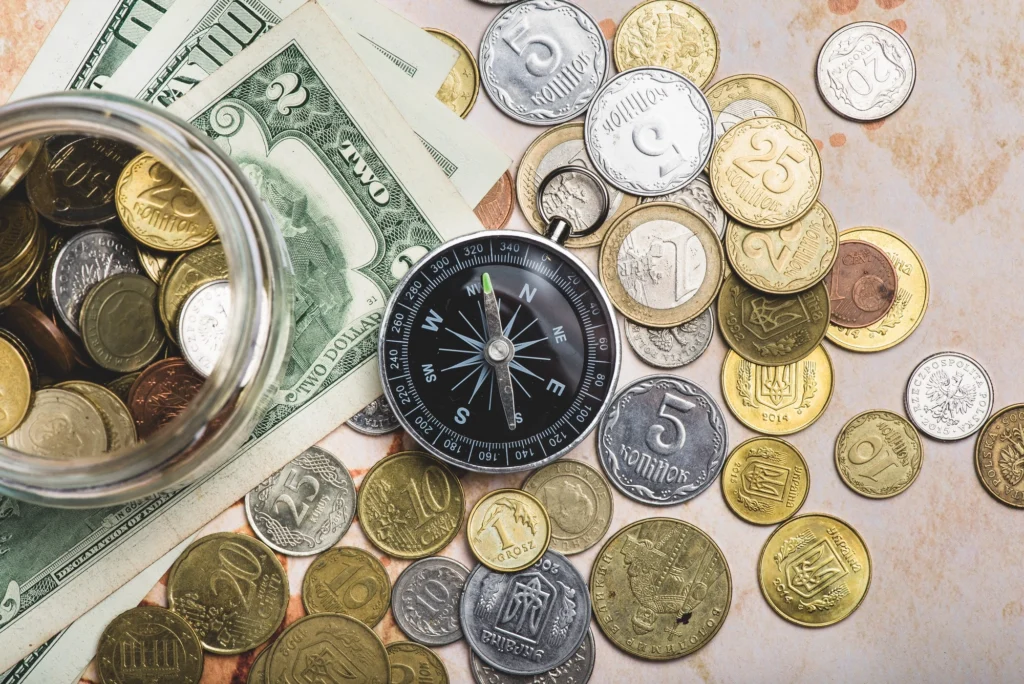
The gold and silver coin market trend reflects both collector demand and global precious metals fluctuations. Investors and collectors closely monitor rarity and authenticity to maximize their portfolios. Market trends influence buying and selling strategies, helping enthusiasts make informed decisions in this high-value market.
Current Market Overview
The gold and silver coin market trend is shaped by international gold and silver prices, demand, and collector interest. Gold coins remain highly sought after due to historical significance and bullion value. Silver coins, particularly fractional coins, are popular among new investors for flexibility and accessibility.
Global events, economic shifts, and currency changes influence pricing. Collectors track trends to predict investment opportunities, while seasoned investors analyze market history and scarcity to determine the best times for buying or selling coins.
Factors Affecting Prices and Value
Several factors directly impact the gold and silver coin market trend. These include:
- Metal content: The purity of gold and silver significantly affects market valuation.
- Historical and collectible significance: Rare coins or limited editions command higher premiums.
- Condition and grading: Well-preserved coins with certified grading increase resale value.
- Supply and demand: Market scarcity and collector interest influence price movements.
Understanding these factors ensures investors and collectors accurately assess value and align their strategies with market realities. Regular updates on these variables are essential to maintain high-authority investment decisions.
[sc name=”cta”][/sc]
The Numismatic vs. Bullion Spread: Decoding the Premium
Understanding the “spread” is what separates amateur hobbyists from high-authority investors. While bullion coins trade close to the spot price of the metal, numismatic coins carry a premium based on mintage figures.
-
Mintage Figures: This refers to the total number of coins struck by a mint in a specific year. A coin with a mintage of 5,000 is infinitely more valuable than one with 5,000,000, regardless of the gold content.
-
The Survival Rate: High-authority collectors look for “condition census” coins. Even if 1 million coins were minted, if only 10 are known to exist in “Mint State 70” (MS70) condition, the market trend for that specific coin will decouple from the price of gold and skyrocket based on rarity alone.
-
Melting Trends:
Historically, during periods of economic hardship, many gold coins were melted down for currency. This creates “artificial scarcity,” where the official mintage records don’t match the actual surviving population.
How to Analyze Market Trends
Analyzing the gold and silver coin market trend involves observing both long-term and short-term price movements. Investors should monitor bullion spot prices, auction results, and dealer pricing. Comparing these data points helps identify undervalued or overvalued coins.
Historical data analysis allows collectors to recognize patterns in coin demand and investment performance. Advanced tools, including online calculators and market-tracking software, aid in understanding fluctuations and planning strategic purchases, whether for investment or collection purposes.
Macro-Economic Indicators: Why Gold Breathes When the Dollar Faints
To truly analyze the gold and silver coin market trend, one must look beyond local coin shops and toward central bank policies and global monetary trends.
-
Real Interest Rates: There is an inverse correlation between real interest rates and gold prices. Since gold pays no dividend or interest, it becomes more attractive when “real” yields (interest minus inflation) are low or negative.
-
The “Gold-to-Silver Ratio”: This is a critical metric for strategic portfolio management.
Gold–Silver Ratio = (Price of Gold per Ounce) / (Price of Silver per Ounce)Historically, a ratio above 80:1 suggests that silver is significantly undervalued compared to gold, signaling a “Buy” phase for silver coins. Conversely, a ratio of 40:1 might suggest it is time to rotate silver profits back into gold.
Tips for Safe Buying and Selling
For anyone participating in the gold and silver coin market trend, safe buying and selling practices are essential.
Choose reputable dealers: Trusted dealers ensure authentic coins, certificates, and fair market pricing.
Request grading certificates: Certified coins provide a verified assessment of condition and rarity.
Compare prices: Use calculators and market data to confirm valuation before transactions.
Avoid suspicious offers: Extremely low prices or unverifiable sellers often indicate counterfeit risk.
Following these tips helps collectors protect their investments while navigating the market efficiently, maintaining portfolio integrity and minimizing risks.
The Anatomy of a Counterfeit: Protecting Your Capital
In a high-value market, sophistication in fraud is rising. High-authority investors use the “Triple-Check Method” to ensure authenticity:
-
Dimension and Mass Verification: Gold and silver have specific densities. A counterfeit coin made of tungsten or lead-alloy will either be the wrong weight or the wrong thickness. Use a digital caliper and a scale sensitive to $0.01\text{g}$.
-
The “Ping” Test (Acoustic Resonance): Genuine silver and gold have a distinct, long-lasting ring when gently tapped. Base metals sound “flat.”
-
XRF Spectrometry: For high-value portfolios, professional investors use X-Ray Fluorescence (XRF) analyzers to determine the exact elemental breakdown of a coin without damaging it.
Expert Note: Never clean your coins. Even light wiping can leave microscopic scratches that significantly reduce a coin’s numismatic value.
Investment Strategies and Portfolio Management
Understanding the gold and silver coin market trend helps investors create effective strategies. Diversifying holdings between gold and silver, fractional coins, and historical collectibles can balance risk and potential returns. Monitoring market trends, analyzing scarcity, and maintaining proper storage practices ensures coins retain value over time.
Portfolio management should also include tracking purchases, maintaining records of provenance, and consulting professional appraisers periodically. By combining trend analysis with professional guidance, investors maximize both security and profitability in a competitive coin market.
Tax Implications and Sovereign vs. Private Minting
A section often overlooked is the legal and tax status of your holdings.
-
Sovereign Minted Coins: Coins like the British Sovereign or the South African Krugerrand are legal tender. In many jurisdictions, these may carry different Capital Gains Tax (CGT) treatments compared to private silver rounds or bars.
-
The “Precious Metals IRA”:
In many markets, investors are increasingly using tax-advantaged retirement accounts to hold physical gold and silver coins. This allows for tax-deferred growth, turning a hobby into a sophisticated retirement vehicle.
The Psychology of the “Hard Asset” Investor
Why do coins remain a staple in the digital age of Bitcoin and ETFs? The “Psychology of Tangibility” plays a massive role in market trends. During periods of “Geopolitical Polycrisis,” investors flee to assets that have no counterparty risk. Unlike a stock or a digital currency, a gold coin does not require a functioning electrical grid or a solvent corporation to have value. It is the only financial asset that is not someone else’s liability. This psychological floor ensures that while the market may fluctuate, it will never go to zero.
Conclusion
The gold and silver coin market trend reflects global influences, collector interest, and investment dynamics. Understanding pricing, historical significance, and market behavior helps investors and collectors make informed decisions. By combining trend analysis with professional guidance, enthusiasts can maximize security and portfolio value in any market.
DEIGOLDANDSILVERCOINS Customer Feedback
Our customers’ satisfaction drives us daily. We invite you to read testimonials about our dedication to fair pricing, quick payment, and exceptional service. Your feedback helps us improve and maintain the highest standards.
FAQs Section
1. What drives the gold and silver coin market trend?
Local demand, collector interest, global gold and silver prices, historical significance, coin condition, scarcity, and grading all drive the gold and silver coin market trend.
2. How can I safely buy coins?
Use reputable dealers, request certificates of authenticity, verify market prices, and avoid suspicious offers. Ensure transactions align with coin condition, grading, and current market conditions.
3. Are fractional coins a good investment?
Fractional gold and silver coins are flexible, easy to store, and accessible compared to full-size coins. They allow investors to enter the market gradually while benefiting from price appreciation aligned with broader market trends.
4. How often should I check market trends?
Regular monitoring, ideally weekly or monthly, helps investors respond to price fluctuations, scarcity shifts, and collector demand. Staying informed ensures strategic buying and selling decisions based on current market trends.
5. Can professional appraisal affect coin value?
Yes, professional appraisals verify authenticity, grading, and provenance, directly influencing resale and investment value. Accurate appraisals help investors align with current market trends and avoid counterfeit or misvalued assets.