Introduction: Can Your Gold Be Tracked Back to You?
Have you ever wondered if the gold bars sitting in a vault—or even hidden in a safe at home—can actually be traced back to you?
It’s a question more investors are asking in 2026 as global financial systems tighten oversight and transparency in precious metals increases. A private investor in Las Vegas recently discovered that his “anonymous” gold purchase was still linked to a refinery database due to modern compliance reporting systems. That moment changed how he viewed wealth protection forever.
Here’s the reality: gold traceability is no longer a theoretical concept. It is actively embedded into global supply chains, from mining to refining to final sale.
In this guide, you’ll learn exactly how gold traceability works, whether gold bars are truly anonymous, how gold bar tracking systems operate, and what private gold ownership really means in Las Vegas and the broader U.S. regulatory environment. By the end, you’ll understand how to protect your wealth while staying compliant.
What is gold traceability and why does it matter?
Gold traceability refers to the ability to track a gold bar’s journey from its origin (mine) through refining, certification, and finally to the investor. This system ensures transparency and helps prevent illegal sourcing, money laundering, and counterfeit gold entering the market.
In today’s financial ecosystem, gold traceability is more important than ever. Governments and institutions want assurance that gold is ethically sourced and legally traded. For investors, it provides confidence—but also reduces anonymity.
For example, LBMA (London Bullion Market Association) accredited refineries must follow strict “Good Delivery” standards, ensuring every bar has identifiable markings and production records. According to LBMA data, over 85% of globally traded gold passes through accredited refiners, making gold traceability increasingly standardized.
In Las Vegas, dealers dealing in high-value bullion often comply with U.S. AML (Anti-Money Laundering) regulations, meaning large transactions are reported to FinCEN (Financial Crimes Enforcement Network).
Pro Tip: If a dealer claims “zero traceability,” that’s often a red flag rather than a benefit.
Are gold bars traceable in reality or just in theory?
The short answer is yes—gold bars are traceable in most modern markets, especially those linked to regulated institutions.
Gold traceability exists in three main layers:
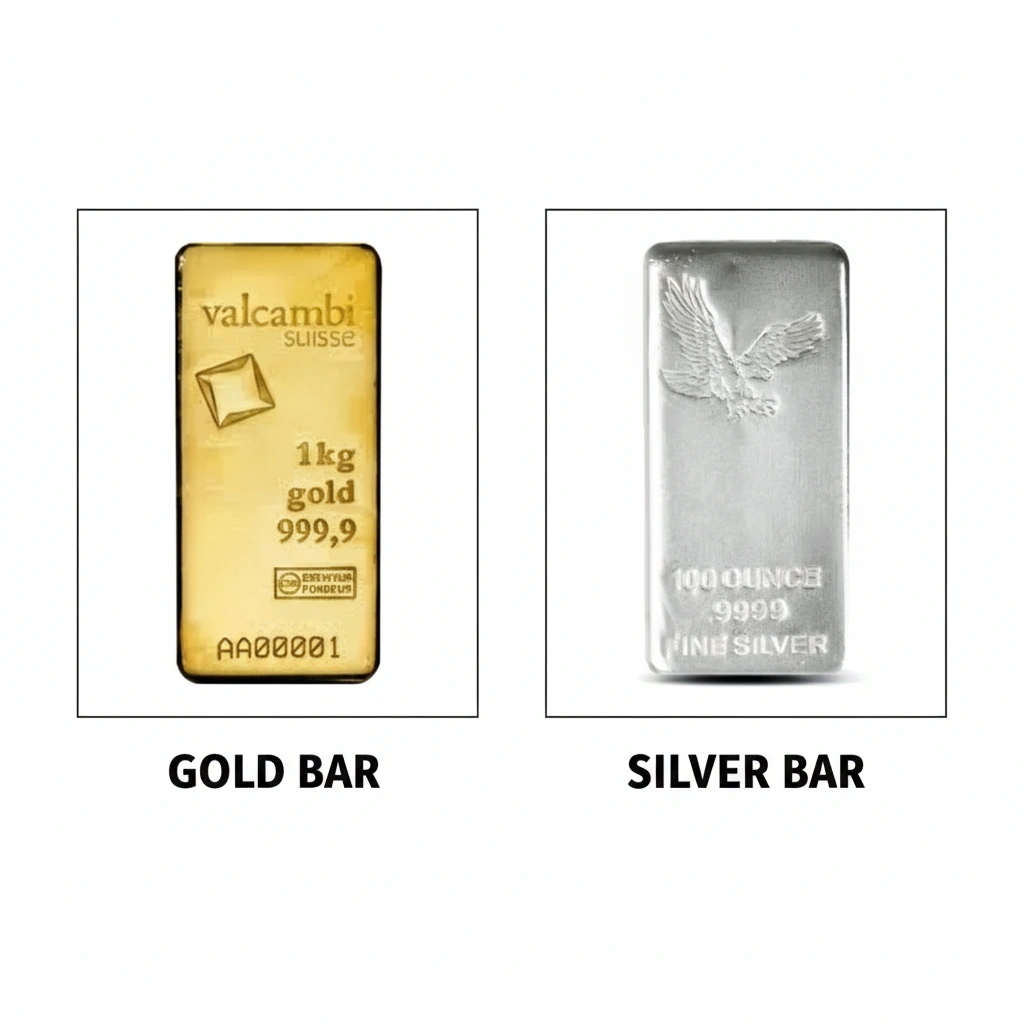
First, physical identification. Most investment-grade bars include serial numbers, refinery stamps, weight, and purity markings. These act like fingerprints.
Second, digital documentation. Refiners and bullion banks maintain databases that log production batches, buyers, and distributors.
Third, compliance tracking. In the U.S., large transactions may be reported under AML laws, especially if they exceed thresholds or appear suspicious.
A common misconception is that gold can be completely anonymous. While small private transactions may remain less visible, institutional gold is almost always traceable.
For instance, a 1-kilogram bar from a major refinery can often be traced back to the exact production facility and even mining source region.
This reality reshapes how investors approach private gold ownership. Instead of focusing on hiding ownership, modern investors focus on secure storage and legal structuring.
How does gold bar tracking actually work?
Gold bar tracking is a structured process that follows gold through every stage of its lifecycle. It is the backbone of modern gold traceability systems.
Step 1: Mining origin certification
Gold is first documented at the mining stage. Responsible sourcing initiatives tag the origin, especially in regulated jurisdictions.
Step 2: Refining and assaying
Refiners melt and purify gold, stamping bars with serial numbers. LBMA-approved refiners maintain detailed production logs.
Step 3: Distribution records
Once gold bars enter the market, dealers and vault providers record every transfer. This is where gold bar tracking becomes highly detailed.
Step 4: Investor purchase documentation
When you buy gold in places like Las Vegas, dealers may require identification and report large purchases depending on compliance rules.
Step 5: Storage and vault auditing
Allocated gold stored in vaults remains tied to ownership records, even if physically separated.
Real-world example:
A Nevada-based investor purchasing $75,000 in bullion was required to complete compliance paperwork under federal reporting standards. The purchase was legal—but fully documented.
Pro Tip: Always ask your dealer whether gold is “allocated” or “unallocated,” as this impacts traceability and ownership clarity.
Buy or Sell Gold & Silver Coins with Confidence
Work with a trusted Las Vegas coin dealer offering fair pricing, honest appraisals, and expert guidance every step of the way.
What does private gold ownership look like in Las Vegas?
Private gold ownership in Las Vegas operates under both state-friendly investment culture and strict federal oversight.
Nevada is known for being investor-friendly with no state income tax, which attracts high-net-worth individuals interested in precious metals. However, federal regulations still apply.
Key points include:
- Dealers must comply with AML rules
- Large cash purchases may trigger reporting requirements
- Storage facilities often use insured vault systems with ownership records
- Identity verification is standard for significant transactions
This means private gold ownership is legal and widely practiced—but not invisible.
For example, high-end investors in Las Vegas often use segregated vault storage to maintain control while still complying with reporting laws. This allows them to maintain privacy of holdings without breaking legal transparency rules.
In this environment, gold traceability is balanced with asset protection rather than secrecy.
Can investors stay anonymous when buying gold?
This is one of the most misunderstood topics in precious metals investing.
True anonymity is rare in modern regulated markets. While small transactions may remain relatively private, large-scale investments typically involve documentation.
Here’s what impacts anonymity:
- Payment method (cash vs bank transfer)
- Purchase size
- Dealer compliance policies
- Storage choice (home vs vault)
Historically, gold was seen as a private store of wealth. Today, gold traceability systems and compliance frameworks make full anonymity difficult, especially in the U.S.
Case study:
An investor purchasing gold coins in smaller increments over time avoided triggering reporting thresholds but still faced documentation when moving holdings into institutional storage.
Important takeaway: privacy still exists, but it is structured—not absolute.
Real-world case studies of gold traceability in action
Case Study 1: Refinery-linked bar tracking
A European investor discovered his gold bar could be traced back to a Swiss refinery through serial number records. This demonstrated how deeply embedded gold traceability systems have become.
Case Study 2: Las Vegas bulk purchase compliance
A Nevada investor purchasing $100,000 in bullion had to submit identification and transaction records. The dealer complied with federal reporting rules, showing how gold bar tracking works in practice.
Case Study 3: Vault storage transparency
A private wealth client stored gold in a U.S. vault. Even though physically separated, ownership records were fully maintained in a digital system linked to insurance and audit services.
These cases show a consistent pattern: gold is not just a physical asset—it is also a documented financial instrument.
Risks of ignoring gold traceability systems
Avoiding or misunderstanding gold traceability can create serious risks for investors.
First, regulatory risk. Non-compliant purchases can trigger audits or legal scrutiny.
Second, liquidity risk. Gold without proper documentation may be harder to resell.
Third, counterfeit exposure. Traceability systems help verify authenticity.
Fourth, storage vulnerability. Unrecorded holdings may not be insured or recognized in disputes.
In global markets, institutions increasingly require verified provenance before accepting large gold transfers.
This makes gold traceability not just a compliance issue—but a financial protection tool.
Best practices for secure and compliant gold ownership
If you are investing in gold today, especially in regulated markets like the U.S., here are practical steps:
- Always buy from accredited dealers
- Request full documentation and serial numbers
- Use insured storage facilities when possible
- Understand reporting thresholds in your jurisdiction
- Keep personal records of all purchases
Pro Tip: Treat gold like a financial asset, not just a physical commodity. Documentation is part of its value.
By following these steps, you maintain both security and compliance while navigating gold traceability systems effectively.
Sell Gold and Silver Coins to DEIGOLDANDSILVERCOINS
If you are considering selling Gold and Silver coins, DEIGOLDANDSILVERCOINS is here to help. Our experienced numismatists provide confidential, same-day appraisals and competitive payouts. You can contact us by phone, live chat, or email for direct assistance.
Customer Reviews
At DEIGOLDANDSILVERCOINS, customer satisfaction is our top priority. Our reputation is built on trust, discretion, and fair dealing. Read our client testimonials to see how we consistently deliver excellence.
We welcome your feedback and are committed to continually improving your selling experience.
Conclusion: What investors must understand about gold traceability
Gold is no longer the completely anonymous asset many people imagine. Modern gold traceability systems, combined with gold bar tracking technology and financial compliance laws, have transformed how ownership works.
For investors in Las Vegas and across the U.S., private gold ownership is still highly viable—but it operates within a structured, transparent framework.
The key takeaway is simple: transparency does not reduce value—it protects it.
If you understand how gold traceability works, you can make smarter investment decisions, avoid legal risks, and build a more secure financial future.
FAQ: Gold Traceability and Investor Concerns
1. What is gold traceability in simple terms?
Gold traceability is the ability to track a gold bar from its origin to the final buyer. It ensures transparency in sourcing, refining, and ownership records.
2. Are all gold bars traceable?
Most investment-grade gold bars are traceable through serial numbers and refinery records. However, small private transactions may have limited visibility.
3. Is private gold ownership legal in Las Vegas?
Yes, private gold ownership is legal in Las Vegas and Nevada. However, federal reporting rules may apply to large transactions under AML regulations.
4. Can I buy gold anonymously in the U.S.?
Full anonymity is rare. While small purchases may remain private, larger investments usually require identification and compliance documentation.
5. How does gold bar tracking protect investors?
Gold bar tracking helps verify authenticity, prevent fraud, and ensure compliance. It also improves resale value by providing verified provenance.
6. Does gold traceability reduce investment value?
No, gold traceability typically increases trust and liquidity, making it easier to sell and store securely in regulated markets.
7. What is the safest way to own physical gold?
The safest method is purchasing from accredited dealers and storing gold in insured, audited vault facilities with proper documentation.