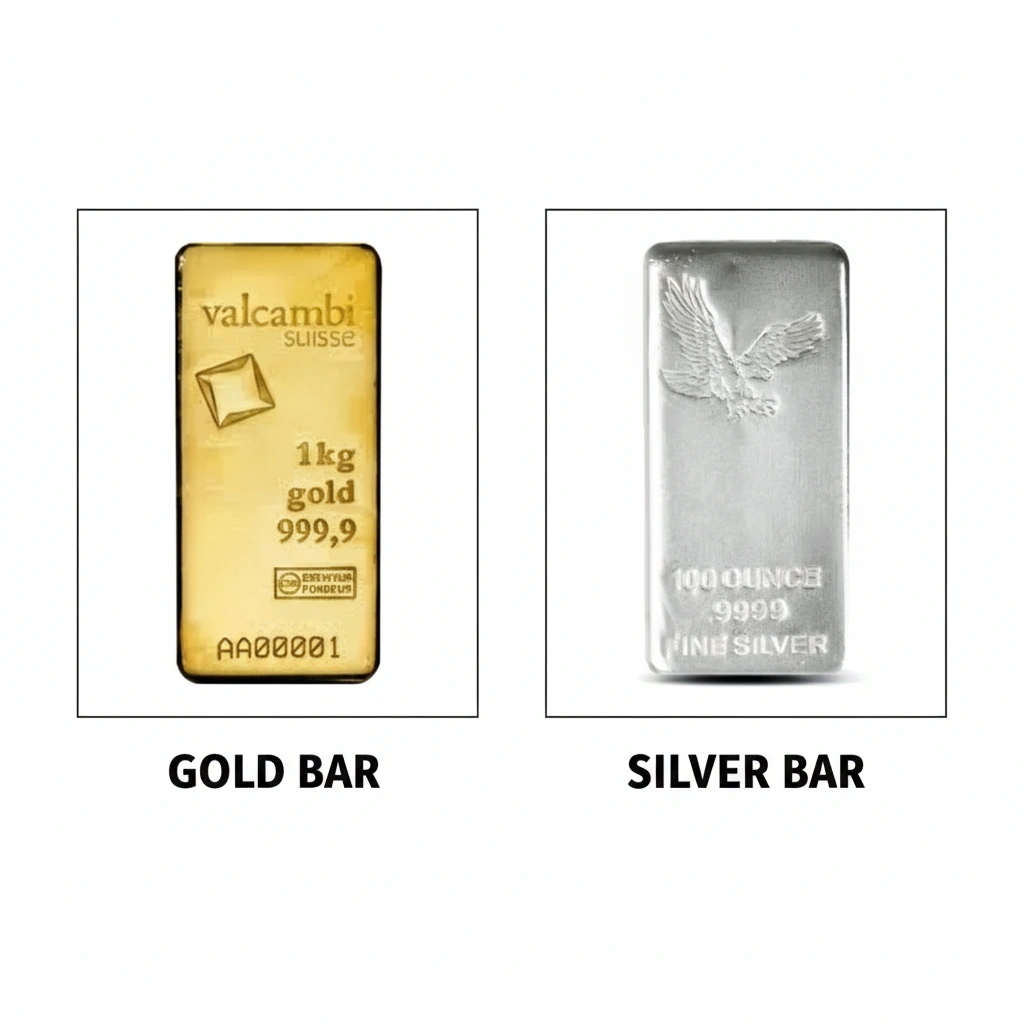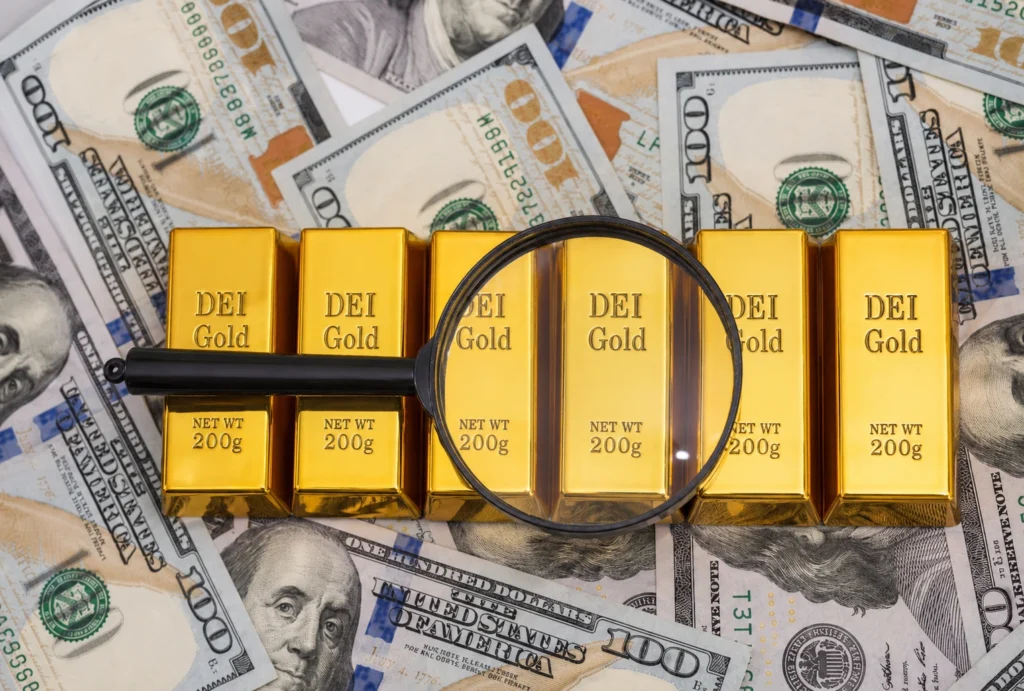
Introduction: Is Your Money Losing Value While You Sleep?
Have you ever checked your savings account and wondered why it feels like it buys less every year?
A few years ago, $100 could fill a decent grocery basket. Today, it barely covers a fraction of it. This silent erosion is inflation at work, and it’s one of the biggest threats to personal wealth—especially for business owners and professionals trying to protect hard-earned money.
In cities like Las Vegas, where economic cycles can shift quickly due to tourism, real estate fluctuations, and consumer spending, understanding how to protect your cash is even more critical.
This is where the debate around inflation hedge gold vs cash becomes essential. Should you keep liquidity in cash or move toward tangible assets like gold?
In this guide, you’ll learn how inflation hedge gold works, how it compares to cash, and most importantly, how to build a strategy for storing wealth safely in 2026 and beyond.
What is inflation hedge gold and why does it matter in 2026?
Inflation hedge gold refers to using gold as a financial asset that maintains or increases its value when inflation rises. Unlike paper currency, gold is not controlled by central banks in the same way, which makes it historically resilient during economic instability.
The reason inflation hedge gold matters in 2026 is simple: global inflation cycles are becoming more unpredictable. According to the U.S. Bureau of Labor Statistics (BLS), inflation in the U.S. peaked at 9.1% in 2022, the highest in 40 years. Even though it has cooled, long-term inflation pressure remains above historical averages.
Gold has historically maintained purchasing power over centuries. For example, the World Gold Council reports that gold has preserved value across multiple inflationary cycles, especially during currency devaluation periods.
For business owners, this means gold acts as a financial “shock absorber.” While cash loses purchasing power, gold often holds steady or appreciates.
If your goal is storing wealth safely, inflation hedge gold becomes less of a luxury and more of a defensive financial strategy in today’s economy.
Buy or Sell Gold & Silver Coins with Confidence
Work with a trusted Las Vegas coin dealer offering fair pricing, honest appraisals, and expert guidance every step of the way.
gold vs cash: which protects your wealth better during inflation?
When comparing gold vs cash, the difference comes down to one core concept: purchasing power.
Cash feels safe because it’s liquid and widely accepted. But inflation slowly reduces its value. If inflation is 5% annually, your cash effectively loses 5% of its buying power every year.
Gold, on the other hand, tends to rise when currencies weaken. During the 2008 financial crisis, gold prices surged while many fiat currencies struggled.
Here’s a simple breakdown:
- Cash: stable, liquid, but loses value over time
- Gold: less liquid, but strong inflation protection
A real-world example: During 2020–2022, when inflation surged globally, gold prices remained relatively strong while cash savings lost real value in purchasing terms.
This is why inflation hedge gold is often used by investors who prioritize long-term stability over short-term liquidity.
However, gold is not perfect. It doesn’t generate interest or dividends, unlike some investments. That’s why many financial advisors recommend a balanced approach rather than choosing gold vs cash exclusively.
How inflation erodes cash savings and why storing wealth safely matters
Inflation works like a silent tax. You don’t see it deducted, but it steadily reduces what your money can buy.
For example, if inflation averages 3% per year, $100,000 in cash today may only have the purchasing power of about $74,000 in 10 years.
This is why storing wealth safely is a growing concern among entrepreneurs and professionals.
One overlooked reality is that traditional savings accounts rarely keep up with inflation. Even high-yield accounts often lag behind real inflation rates.
In Las Vegas, where living costs can fluctuate due to tourism-driven demand, cash erosion can feel even more pronounced.
This is where inflation hedge gold becomes relevant again. It acts as a store of value when fiat currencies lose strength.
Key takeaway: Cash is for liquidity, not long-term wealth preservation. Without diversification, your savings are constantly leaking value.
Is inflation hedge gold really reliable? Historical data and insights
Skeptics often ask whether inflation hedge gold actually works in real life or just theory.
Historically, gold has shown strong performance during inflationary periods:
- During the 1970s U.S. inflation crisis, gold increased from around $35/oz to over $800/oz
- Between 2000 and 2012, gold rose significantly during periods of dollar weakness and global uncertainty
- World Gold Council data shows gold often performs well during “real interest rate” declines
This doesn’t mean gold always rises. In short-term markets, it can remain flat or even decline.
However, over long cycles, inflation hedge gold has consistently preserved purchasing power better than cash.
A key insight from financial analysts: gold is not a growth asset, it is a preservation asset.
If your goal is storing wealth safely, gold functions more like insurance than an investment.
Best strategies for storing wealth safely: gold, cash, and diversification
The smartest investors don’t choose gold vs cash—they combine them strategically.
A balanced approach might include:
- Cash for emergencies and business liquidity
- Gold as a long-term inflation hedge gold allocation
- Other assets like real estate or index funds for growth
Diversification reduces risk while protecting purchasing power.
Expert insight:
Many wealth managers recommend allocating 5%–15% of a portfolio to gold depending on risk tolerance and economic conditions.
In practical terms, storing wealth safely means ensuring no single asset controls your financial stability.
For example, during banking uncertainty or market crashes, cash provides flexibility, while gold provides protection.
In Las Vegas, some investors even use secure vault storage services or bank safety deposit boxes to physically hold precious metals.
The key is balance, not extremes.
Real-world examples of inflation hedge gold in action
Example 1: Small business owner in Nevada
A retail business owner in Las Vegas kept 80% of savings in cash during 2021 inflation spikes. As prices rose, purchasing power dropped significantly. After shifting 20% into inflation hedge gold, overall portfolio stability improved during 2023 volatility.
Example 2: Retired investor portfolio protection
A retiree allocated part of their retirement savings into gold ETFs. While stock markets fluctuated, gold helped offset losses, improving long-term confidence in storing wealth safely.
Example 3: Global investor during currency depreciation
In countries with weaker currencies, investors often rely heavily on inflation hedge gold to protect against rapid devaluation, demonstrating gold’s global role as a safety asset.
These examples show one consistent theme: gold is not about quick gains, but about stability when cash weakens.
Common mistakes when comparing gold vs cash
Many investors misunderstand how to use gold vs cash effectively.
Common mistakes include:
- Keeping too much cash during high inflation periods
- Investing 100% in gold without liquidity planning
- Expecting short-term profits from inflation hedge gold
- Ignoring storage and security risks when holding physical gold
Another major mistake is emotional decision-making—buying gold only when inflation spikes, instead of maintaining a long-term strategy.
For storing wealth safely, discipline matters more than timing.
Gold should be part of a structured financial plan, not a reaction to panic.
How to build an inflation-resistant portfolio in 2026
If your goal is financial resilience, you need a system, not guesses.
Here’s a practical approach:
- Keep 3–6 months of expenses in cash for liquidity
- Allocate 10%–20% to inflation hedge gold
- Invest the remainder in diversified growth assets
- Review allocation annually based on inflation trends
This strategy balances stability and growth while protecting against inflation shocks.
The role of inflation hedge gold here is simple: act as a stabilizer when markets or currencies weaken.
Think of it as a financial anchor in turbulent economic waters.
For entrepreneurs and professionals, this structure ensures you are not overly exposed to any single risk.
Sell Gold and Silver Coins to DEIGOLDANDSILVERCOINS
If you are considering selling Gold and Silver coins, DEIGOLDANDSILVERCOINS is here to help. Our experienced numismatists provide confidential, same-day appraisals and competitive payouts. You can contact us by phone, live chat, or email for direct assistance.
Customer Reviews
At DEIGOLDANDSILVERCOINS, customer satisfaction is our top priority. Our reputation is built on trust, discretion, and fair dealing. Read our client testimonials to see how we consistently deliver excellence.
We welcome your feedback and are committed to continually improving your selling experience.
Conclusion: Gold vs Cash is not a debate—it’s a strategy
The question is not just about inflation hedge gold vs cash, but about how you want your wealth to behave in uncertain times.
Cash gives you flexibility today, but loses value quietly over time. Gold doesn’t earn interest, but it preserves purchasing power when inflation rises.
The smartest approach is not choosing one over the other, but combining them for balance.
If you focus on storing wealth safely, diversification becomes your strongest defense.
As inflation continues shaping global economies into 2026 and beyond, your financial strategy should evolve with it—not against it.
Now is the time to rethink how your money works for you.
FAQ: Inflation Hedge Gold vs Cash
1. What is inflation hedge gold and how does it work?
Inflation hedge gold refers to using gold to protect wealth when inflation rises. As currency value drops, gold typically retains or increases its value, helping preserve purchasing power over time.
2. Is gold better than cash during inflation?
In most long-term scenarios, inflation hedge gold performs better than cash because cash loses value as prices rise. However, cash is still necessary for liquidity and daily financial needs.
3. How much gold should I own for wealth protection?
Financial experts often suggest allocating 5%–15% of your portfolio to gold depending on risk tolerance. This supports storing wealth safely without overexposure to a single asset.
4. Why does cash lose value during inflation?
Cash loses value because inflation increases prices while the amount of money stays the same. This reduces purchasing power over time, even if the number in your account remains unchanged.
5. Is gold a safe long-term investment?
Gold is generally considered a safe store of value rather than a growth investment. It helps protect against inflation and currency devaluation but does not generate passive income.
6. What are the risks of investing in gold?
Gold prices can fluctuate in the short term, and physical gold requires secure storage. It also does not produce interest, so it should be balanced with other investments.
7.How can I store wealth safely during inflation?
A balanced approach works best: keep cash for liquidity, invest in inflation hedge gold for protection, and diversify into other assets like stocks or real estate for growth.