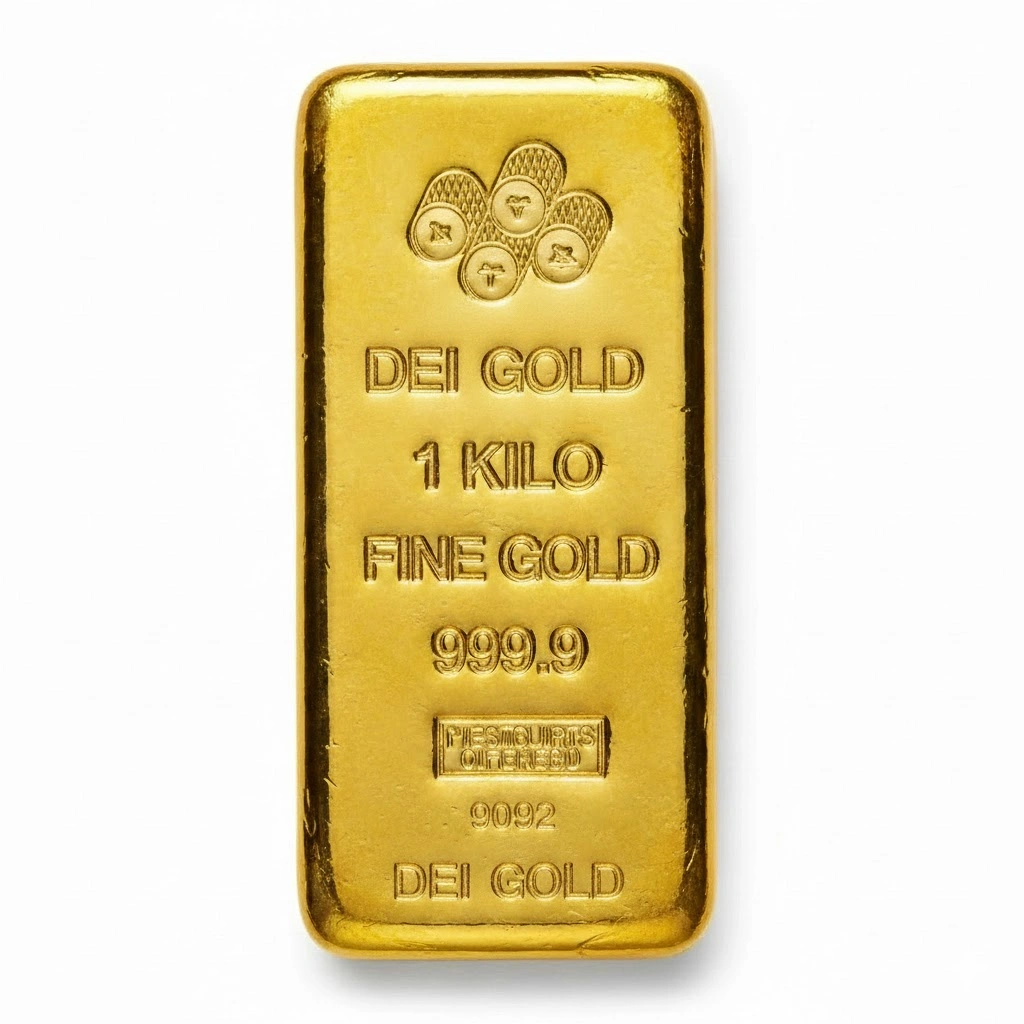
Gold has been revered for centuries as a symbol of wealth, power, and luxury. Whether you’re a jeweler, collector, or simply someone fascinated by precious metals, one question you may have wondered is: At what temperature does 24K gold melt? If you’re dealing with this valuable metal in a professional capacity or just curious about its physical properties, understanding the melting point of pure gold is crucial. In this blog, we’ll explore the science behind the melting point of 24K gold, how it compares to other types of gold, and why this temperature is essential in various industries.
What is the Melting Point of 24K Gold Melt?
Pure gold, also known as 24K gold, has a relatively low melting point compared to many other metals. The precise temperature at which it melts is 1,064°C (1,947°F). This is a critical figure for various applications, including metalworking, jewelry crafting, and gold refining. Understanding this melting point can help in processes such as casting, molding, and even in the manufacturing of electronics.
Why Does 24K Gold Have a Relatively Low Melting Point?
The melting point of a metal is largely determined by the strength of the bonds between its atoms. In the case of gold, the atomic structure is such that the bonds between gold atoms are not as strong as in some other metals like tungsten or platinum. This makes gold easier to melt, which is part of the reason why it’s so versatile in industries like jewelry and electronics.
Pure gold, while soft and malleable, is also one of the most sought-after metals in the world. Its ability to melt at a relatively low temperature compared to other metals, like platinum (1,768°C), gives it certain advantages in shaping and refining.
How Does the Melting Point of 24K Gold Compare to Other Types of Gold?
Gold comes in various purities, most commonly 24K, 22K, 18K, and 14K. The purity of gold directly impacts its melting point. Let’s break it down:
- 24K Gold (Pure Gold): Melting point of 1,064°C (1,947°F)
- 22K Gold: Slightly higher melting point due to the presence of other metals, such as silver or copper, used in the alloy. It generally melts at around 1,063°C.
- 18K Gold: This alloy contains 75% gold and is usually combined with metals like copper, silver, or palladium. Its melting point is around 1,060°C.
- 14K Gold: With only 58.3% gold, this alloy has a higher melting point, typically around 1,050°C.
As you can see, the more impure the gold, the higher its melting point becomes due to the addition of other metals to the alloy. This difference is critical for jewelers and metalworkers who need to manage their materials carefully during heating and refining processes.
Pro Tip: When melting gold for jewelry or refinement, always ensure you’re working at the appropriate temperature for your gold’s purity. Heating above the required temperature can cause the gold to oxidize or deteriorate.
Why Is the Melting Point of 24K Gold Important?
The melting point of 24K gold plays a pivotal role in several industries:
Jewelry Manufacturing
Gold is widely used in jewelry, and understanding the melting point of pure gold is vital for jewelers. It helps them create high-quality gold pieces by heating the metal to its exact melting point. This allows for easier shaping, casting, and molding. Moreover, different gold alloys are used to enhance the strength and durability of jewelry. Gold with a lower karat (e.g., 14K or 18K) will have a higher melting point, making it better suited for specific applications where durability is essential.
Gold Refining
Gold refining involves melting the metal to separate impurities from the pure gold. The low melting point of 24K gold makes this process efficient. The ability to precisely control the temperature ensures that the gold is melted without causing damage or oxidation, which is crucial for the refinement of high-purity gold.
Electronics and Technology
Gold is often used in electronics, where its excellent conductivity and resistance to corrosion are invaluable. The melting point of 24K gold is ideal for creating fine gold wires and components used in microelectronics. Gold’s ability to melt at a relatively low temperature makes it suitable for use in applications like semiconductor manufacturing and the production of electrical contacts.
Case Study: Gold in Technology
In Las Vegas, the burgeoning tech industry often incorporates gold in its manufacturing processes. Las Vegas companies that specialize in semiconductor and microelectronic devices use gold in very specific amounts and forms, taking advantage of its low melting point to create high-performance devices. For instance, a Las Vegas-based startup recently developed gold-coated semiconductors that enhance data transmission speeds. The controlled melting and casting of 24K gold are essential in this cutting-edge technology.
Pro Tip: Always ensure the right heating tools and safety precautions when working with gold. Las Vegas’ tech companies, for example, use advanced furnaces to control the temperature with precision, ensuring minimal material loss.
Buy or Sell Gold & Silver Coins with Confidence
Work with a trusted Las Vegas coin dealer offering fair pricing, honest appraisals, and expert guidance every step of the way.
What Factors Affect the Melting Point of 24K Gold?
While the melting point of pure gold is 1,064°C, several factors can influence how easily gold will melt:
- Purity of the Gold: As discussed earlier, alloys with lower gold content (e.g., 14K) will have higher melting points.
- Presence of Impurities: Even trace amounts of impurities can affect how gold melts. For example, the addition of metals like copper, silver, or nickel can alter the melting point slightly.
- Heating Rate: The speed at which gold is heated can also affect the melting process. Rapid heating may cause uneven melting, while slow heating ensures a more uniform result.
- Atmospheric Conditions: The environment in which gold is melted can also play a role. Higher altitudes or lower atmospheric pressure may slightly reduce the melting point of gold.
Pro Tip: When melting gold for high-end applications like jewelry or electronics, use a controlled environment to reduce the risk of contamination and oxidation.
Real-World Examples of Gold Melting Applications
Example 1: The Jewelry Industry in Las Vegas
Las Vegas is known for its luxury and glamor, and the jewelry industry here heavily relies on the precise melting and molding of 24K gold. Local jewelers use the melting point of pure gold to craft everything from wedding rings to high-end watches. The precision required to create flawless designs ensures the metal is melted at exactly the right temperature to avoid any impurities.
Example 2: Gold Refining in Nevada
Nevada, home to one of the largest gold mining operations in the world, has several gold refineries. The refineries rely on the melting point of 24K gold to extract pure gold from ore. The melting process helps separate unwanted materials like sulfur and silver, resulting in 99.9% pure gold. This gold is then sold to various industries, including electronics, finance, and manufacturing.
Pro Tip: If you’re in the business of buying or selling refined gold in Nevada or Las Vegas, always verify the purity and melting point through certification to ensure you’re getting a quality product.
DEIGOLDANDSILVERCOINS Customer Feedback
Our customers’ satisfaction drives us daily. We invite you to read testimonials about our dedication to fair pricing, quick payment, and exceptional service. Your feedback helps us improve and maintain the highest standards.
Conclusion
In conclusion, the melting point of 24K gold is an essential factor in industries ranging from jewelry manufacturing to high-tech electronics. At 1,064°C (1,947°F), 24K gold’s relatively low melting point makes it versatile and easy to work with in various applications. Whether you’re a jeweler in Las Vegas looking to craft a custom piece, a gold refiner in Nevada, or a tech company using gold in microelectronics, understanding this temperature is crucial. With the right knowledge and tools, you can ensure that gold is melted and shaped to perfection.
FAQ Section
1. What is the melting point of 24K gold?
The melting point of pure 24K gold is 1,064°C (1,947°F).
2. How does the melting point of 24K gold compare to other metals?
The melting point of 24K gold is relatively low compared to metals like platinum (1,768°C) and tungsten (3,422°C), making it easier to melt and shape.
3. Can you melt 24K gold at home?
Yes, you can melt 24K gold at home, but it requires a furnace capable of reaching temperatures above 1,064°C. Ensure you take the proper safety precautions.
4. What happens if gold is heated above its melting point?
If gold is heated too much, it can become oxidized, and impurities may form, negatively affecting its quality.
5. Is 24K gold used in electronics?
Yes, 24K gold is widely used in electronics due to its excellent conductivity and resistance to corrosion, especially in microelectronics and semiconductor manufacturing.
6. How can the melting point of 24K gold be affected?
The melting point can be slightly altered by the presence of impurities, the heating rate, and environmental factors such as atmospheric pressure.
7. Why is 24K gold used in jewelry?
24K gold is used in jewelry for its purity, malleability, and aesthetic appeal. Its melting point allows for intricate designs to be made with precision.