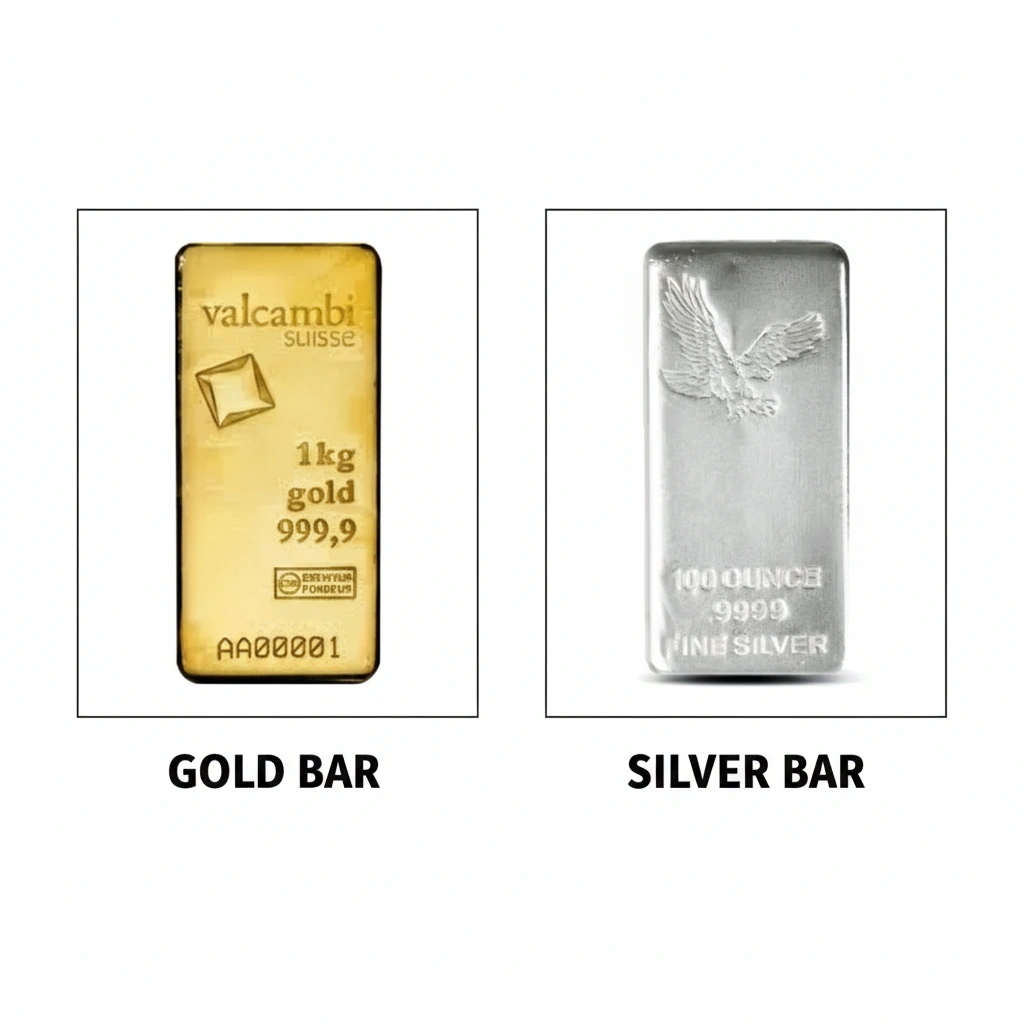
Bullion Investment vs ETF Investment
Investing in precious metals is a tried-and-true method of safeguarding wealth, especially during economic uncertainty. Bullion Investment vs ETF Investment highlights two prominent ways to gain exposure to precious metals. Each method offers distinct advantages and drawbacks, helping investors align choices with their financial goals.
What is Bullion Investment?
Bullion investment refers to buying physical precious metals such as gold and silver in their purest form. Investors purchase these metals in the form of coins, bars, or ingots, storing them securely for the long term. Bullion provides a direct ownership stake in the physical asset, offering both tangible and symbolic value.
What is ETF Investment?
An ETF (Exchange-Traded Fund) investment in precious metals involves buying shares of an ETF that holds precious metals, typically in the form of bullion or futures contracts. ETFs offer a way to invest in precious metals without physically owning the metal. This method provides exposure to the market with less hassle in terms of storage and security.
Bullion Investment: Pros & Cons
Pros of Bullion Investment
- Tangible Asset: Bullion is a physical asset, which can be comforting for investors seeking something real they can hold in their hands. This offers a sense of security, especially when digital investments or paper assets feel vulnerable.
- Hedge Against Inflation: Historically, bullion, particularly gold and silver, has acted as a hedge against inflation and economic downturns. During periods of Precious Metal Markets During Inflation Recession, the value of bullion can rise as investors seek a safe haven.
- No Third-Party Risk: When you invest in physical bullion, you are the sole owner of the asset. There is no counterparty risk or reliance on any financial institution, which can be reassuring during times of economic uncertainty.
- Wealth Preservation: Bullion investments have a long history of preserving wealth across generations. Unlike stocks or bonds, physical metals do not depreciate over time and maintain intrinsic value.
Cons of Bullion Investment
- Storage and Insurance Costs: Storing bullion safely can be expensive. Investors need secure vaults or safe deposit boxes, and the insurance costs for protecting physical precious metals can add up.
- Liquidity Issues: While bullion is a valuable asset, it can be less liquid than other investments. Selling large amounts of physical bullion may be difficult, and you may not always get the best price, depending on market conditions.
- Market Fluctuations: The prices of precious metals can be volatile. While they can rise during economic crises, they can also experience significant drops, making them unpredictable in the short term.
- No Dividends or Income: Unlike stocks or bonds, bullion does not generate any form of income or dividends. The only way to make money is through capital appreciation, which can be slow or irregular.
ETF Investment: Pros & Cons
Pros of ETF Investment
- Convenient and Liquid: ETFs are traded on stock exchanges, providing instant liquidity. Investors can buy and sell shares during market hours, much like regular stocks. This makes ETFs much more accessible for those who need flexibility and speed.
- Low Costs: Investing in an ETF generally incurs lower fees than buying physical bullion, especially when considering storage and insurance costs. Many precious metal ETFs have low expense ratios, making them cost-effective for long-term investors.
- No Storage or Insurance: With ETFs, there is no need to worry about storage or insurance. The fund takes care of all the logistics, and your investment is fully secured through the fund’s custodian.
- Diversification: ETFs can provide exposure to multiple precious metals or precious metal-related assets. For example, an ETF might hold gold, silver, and other commodities, allowing for easy diversification.
Cons of ETF Investment
- Counterparty Risk: When investing in ETFs, you are trusting a third party to manage your investment. There’s a risk that the issuer or custodian might fail, leading to potential losses. This risk is absent with physical bullion.
- No Physical Ownership: With ETFs, you do not own the physical metal. While this makes them convenient, some investors feel uncomfortable not holding the actual asset. This is especially true during economic turmoil when tangible assets are preferred.
- Potential Fees: Although ETFs generally have lower costs than physical bullion, there are still fees associated with managing the fund. These fees can affect long-term returns, particularly for investors looking to hold for extended periods.
- Market Volatility: While ETFs are a great way to gain exposure to the precious metals market, they can also be volatile. The prices of ETFs may not always directly correlate with the physical market prices, depending on the fund’s structure and holdings.
Bullion vs ETF: A Comparison
| Feature | Bullion Investment | ETF Investment |
|---|---|---|
| Ownership | Direct ownership of physical metal | Indirect ownership, no physical metal |
| Storage | Requires secure storage & insurance | No storage concerns |
| Liquidity | Less liquid, harder to sell quickly | High liquidity, easy to buy/sell |
| Risk | No counterparty risk, but storage risk | Counterparty risk, market risk |
| Income Generation | No income or dividends | No income or dividends |
| Costs | High storage & insurance costs | Lower fees and no storage costs |
| Volatility | Volatile but steady long-term growth | Volatile, but easier to trade |
When to Invest in Bullion or ETFs?
Both bullion and ETFs have their own advantages, and the decision between the two largely depends on your investment goals, risk tolerance, and preferences.
Choose Bullion If:
- You seek a tangible, real asset.
- You are looking for a long-term, stable store of wealth.
- You are interested in a direct hedge against Precious Metal Markets During Inflation Recession.
- You want to avoid counterparty risk associated with financial institutions.
Choose ETFs If:
- You want to invest in precious metals without the hassle of storage.
- You are seeking liquidity and flexibility to buy and sell.
- You want to avoid the high upfront costs associated with buying physical bullion.
- You prefer lower management fees and easier diversification.
How to Safely Buy Gold Coins Online
Buying gold coins online can be completely safe if you follow the right steps. Always choose a reputable seller like DEIGOLDANDSILVERCOINS with verified credentials, secure payment methods, and full insurance coverage. Check product authenticity, read descriptions carefully, and ensure proper shipping and tracking for peace of mind.
Customer Testimonials and Reviews
Our customers consistently praise DEIGOLDANDSILVERCOINS for reliability, fast shipping, and high-quality products. With a 4.9-star rating, investors trust us for both beginners and experienced collectors. Real success stories and positive reviews highlight why our clients keep returning, making us a trusted name in gold coin investments.
Conclusion
In the world of precious metal investments, both bullion and ETFs offer unique benefits and drawbacks. Bullion provides a direct, tangible investment in precious metals, often serving as a reliable hedge during economic uncertainty, particularly in Precious Metal Markets During Inflation Recession. On the other hand, ETFs provide an easier, more liquid option for those looking for exposure without the complexities of storage or high costs.
At DEIGOLDANDSILVERCOINS, we guide investors in making informed decisions based on their financial goals. Understanding the differences between bullion and ETF investments is crucial for any investor looking to secure their wealth in uncertain times.
FAQ’s
1. What is the difference between bullion investment and ETF investment?
Bullion investment involves directly buying physical precious metals like gold or silver, providing tangible ownership. ETF investment allows you to invest indirectly through exchange-traded funds that track metals’ prices without owning the physical asset. Bullion is less liquid, while ETFs offer easy trading and flexibility.
2. Which is safer, bullion investment or ETF investment?
Bullion investment carries no counterparty risk since you physically own the metal, but storage and theft risks exist. ETFs have counterparty and market risks because a fund manages the metals. Safety depends on whether you prioritize direct ownership or convenience and liquidity.
3. How liquid are bullion investments compared to ETFs?
Bullion investments are less liquid because selling physical metals takes time and may incur extra costs. ETFs are highly liquid, traded on stock exchanges, allowing investors to buy or sell instantly. For those needing quick access to cash, ETFs are generally more practical than bullion.
4. Do bullion investments or ETFs generate income?
Neither bullion investments nor ETFs generate regular income like dividends or interest. Profits come only from price appreciation of the metals. Investors should view both as long-term wealth preservation tools rather than income-generating investments, focusing on capital growth during economic uncertainty.
5. What are the costs involved in bullion investment vs ETF investment?
Bullion investments involve storage, insurance, and sometimes high purchase premiums, increasing overall costs. ETF investments have lower management fees and no storage expenses. While ETFs are more cost-efficient, bullion’s tangible ownership may justify the higher costs for long-term investors.
6. When should I choose bullion over ETFs for investing in metals?
Bullion is ideal if you want tangible ownership, a long-term hedge against inflation, and protection from counterparty risks. It suits investors focused on wealth preservation. ETFs are better for those seeking liquidity, lower upfront costs, easy diversification, and simpler management of precious metal exposure.
7. Are bullion investments more volatile than ETFs?
Both bullion and ETFs are subject to price volatility. Bullion can experience steady long-term growth despite market fluctuations, while ETFs may react quickly to market trends, offering easier trading. Investors should consider their risk tolerance and investment horizon when choosing between these options.