Are Gold ETFs Safe Compared to Physical Gold?
Have you ever wondered whether your “gold investment” is actually gold… or just a digital promise?
A few years ago, a Las Vegas-based investor shifted his entire portfolio into gold ETFs during market volatility. When liquidity tightened briefly, he realized he didn’t actually own gold bars—just shares tied to them. That moment changed how he viewed risk.
If you’re deciding between gold ETF vs physical, you’re not alone. With rising inflation concerns and economic uncertainty in 2026, investors are actively comparing ETF gold risk and the reliability of paper gold vs real gold.
In this guide, you’ll learn exactly how safe Gold ETFs are compared to physical gold, what risks most investors overlook, and how to choose the right strategy based on your financial goals and U.S. regulations—especially relevant for investors operating out of financial hubs like Las Vegas.
What Is the Real Difference Between Gold ETF vs Physical?
When people compare gold ETF vs physical, they’re essentially comparing convenience versus control.
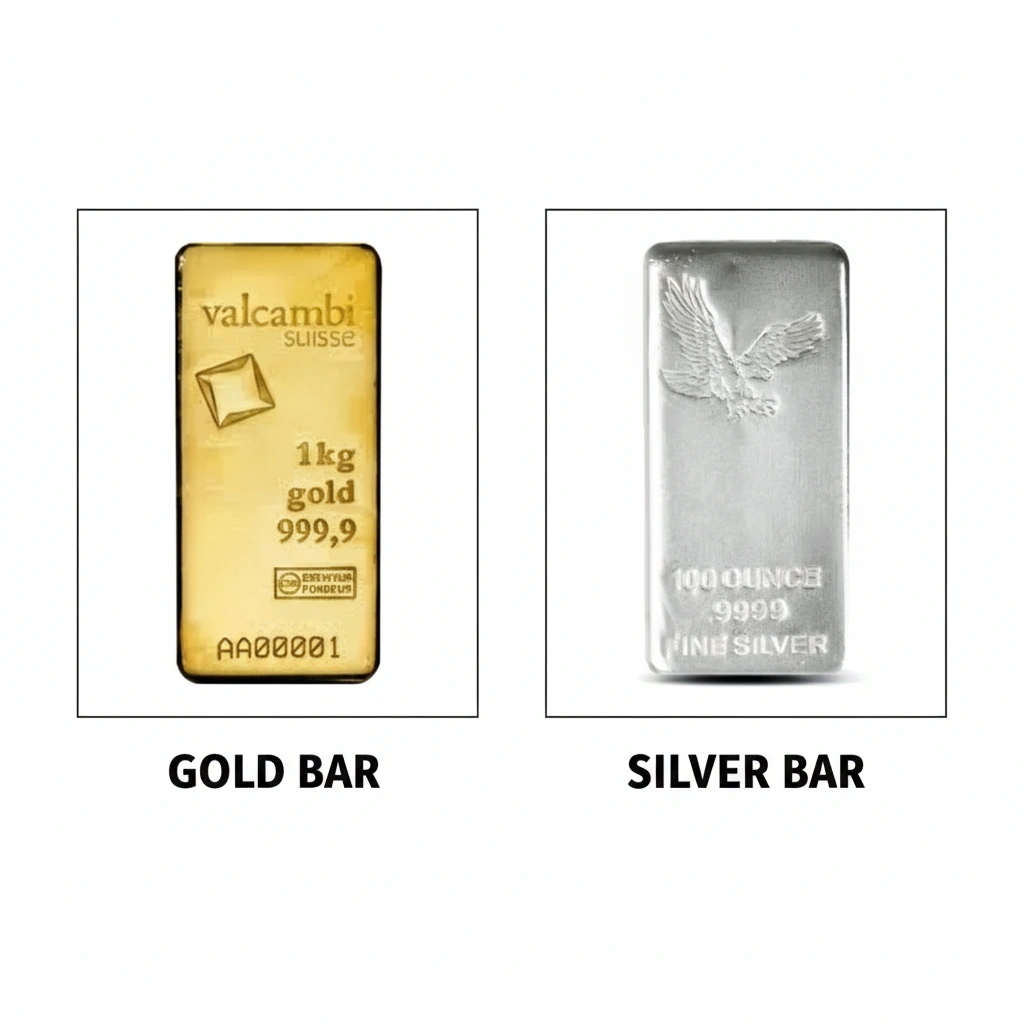
Gold ETFs (Exchange-Traded Funds) are financial instruments that track the price of gold. You don’t physically own gold—you own shares representing gold held by institutions. Physical gold, on the other hand, means coins, bars, or bullion you can store and touch.
Key Differences at a Glance
| Factor | Gold ETF | Physical Gold |
| Ownership | Indirect (paper claim) | Direct ownership |
| Storage | Handled by fund | Self-storage or vault |
| Liquidity | Very high | Moderate |
| Costs | Low fees | Premiums + storage |
| Risk Type | Market & counterparty | Theft & storage |
Real-World Example
A Nevada-based retiree invested in a gold ETF through a brokerage account. During a market dip, he sold instantly with minimal cost. Meanwhile, his neighbor holding physical gold had to find a buyer, negotiate pricing, and pay dealer spreads.
What This Means for You
If speed and flexibility matter, ETFs win. But if your goal is wealth preservation independent of financial systems, physical gold offers unmatched security.
Are Gold ETFs Actually Safe Investments?
The safety of Gold ETFs depends on how you define “safe.”
Gold ETFs are regulated under U.S. financial laws, including oversight by the SEC. Major funds like SPDR Gold Shares hold physical gold reserves audited regularly. That sounds secure—but there’s more beneath the surface.
ETF Gold Risk Explained
There are three main risks:
- Counterparty Risk: You rely on institutions managing the fund
- Market Risk: ETF prices can fluctuate slightly from actual gold prices
- Liquidity Risk: Rare but possible during extreme market stress
According to the World Gold Council (2025), global gold ETFs held over $200 billion in assets, showing strong investor trust. However, during the 2020 market crash, some ETFs experienced temporary pricing dislocations.
Expert Insight
Financial strategist Ray Dalio has often emphasized diversification, noting that “paper assets behave differently under stress compared to physical assets.”
Pro Tip
If you’re investing in ETFs, stick with highly liquid, large funds with transparent holdings and low expense ratios.
Is Physical Gold Safer Than Paper Gold?
When evaluating paper gold vs real gold, the answer depends on your priorities.
Physical gold eliminates counterparty risk entirely. You own it outright—no intermediaries, no financial institutions involved.
Why Investors Choose Physical Gold
- Protection against financial system collapse
- No dependency on brokers or funds
- Tangible asset with universal value
Case Study: Crisis Protection
During the 2008 financial crisis, physical gold demand surged by over 64% (World Gold Council). Investors who held bullion had direct access to their wealth, while some financial instruments froze temporarily.
The Downsides
However, physical gold introduces its own risks:
- Storage costs (safe deposit boxes or vaults)
- Insurance requirements
- Risk of theft
- Lower liquidity compared to ETFs
What I’ve Learned
Many first-time investors romanticize physical gold but underestimate the hassle. If you’re not prepared for secure storage, it can become more stressful than protective.
How Do Taxes and Regulations in Las Vegas Affect Gold Investments?
If you’re investing from Las Vegas or anywhere in the U.S., tax treatment matters significantly in the gold ETF vs physical debate.
Tax Differences
Gold ETFs are typically taxed as collectibles if backed by physical gold, meaning:
- Up to 28% capital gains tax (higher than stocks)
Physical gold:
- Also taxed as collectibles
- Subject to reporting requirements for large transactions
Nevada Advantage
Nevada has no state income tax, which benefits both ETF and physical gold investors. However, federal taxes still apply.
Regulatory Considerations
- ETFs must comply with SEC reporting and transparency rules
- Physical gold transactions above certain thresholds require IRS reporting (Form 8300)
Actionable Tip
Consult a tax advisor before large gold investments. Structuring your purchases properly can save thousands over time.
Which Option Offers Better Liquidity and Accessibility?
Liquidity is where gold ETFs clearly dominate.
Gold ETFs
- Buy/sell instantly during market hours
- Accessible via brokerage accounts
- Fractional investment possible
Physical Gold
- Requires dealer or private buyer
- May involve negotiation and delays
- Higher transaction spreads
Real Example
A Las Vegas entrepreneur needed quick cash during a business downturn. His ETF holdings were liquidated within minutes. His physical gold, however, took three days to sell at a slightly discounted rate.
Pro Tip
If you anticipate needing quick access to funds, ETFs provide unmatched flexibility.
What Are the Hidden Costs of Gold ETF vs Physical?
Cost is often overlooked—but it’s critical.
Gold ETF Costs
- Expense ratios (typically 0.25%–0.50% annually)
- Brokerage fees (minimal in 2026)
Physical Gold Costs
- Dealer premiums (2%–10%)
- Storage fees ($100–$500 annually)
- Insurance costs
Long-Term Impact
Over 10 years, ETF fees can accumulate—but physical gold premiums and storage often exceed ETF costs unless you’re storing large quantities efficiently.
Statistic
A 2025 Morningstar report found that average gold ETF investors paid significantly less in total costs compared to physical gold holders over a 5-year period.
Which Is Better for Long-Term Wealth Protection?
This is the core of the gold ETF vs physical debate.
ETFs for Growth and Flexibility
- Ideal for portfolio diversification
- Easy to rebalance
- Suitable for short-to-medium term strategies
Physical Gold for Security
- Hedge against systemic collapse
- No reliance on financial markets
- Long-term store of value
Balanced Strategy (Best Practice)
Many experienced investors use a hybrid approach:
- 60–70% in ETFs for liquidity
- 30–40% in physical gold for security
Expert Insight
Warren Buffett famously avoids gold, but modern portfolio theory still supports a 5–10% gold allocation for risk hedging.
What Mistakes Should You Avoid When Choosing Between Paper Gold vs Real Gold?
Most investors don’t fail because of bad assets—they fail due to poor strategy.
Common Mistakes
- Going all-in on one type
- Ignoring storage risks
- Overpaying for physical gold premiums
- Choosing high-fee ETFs
- Not considering tax implications
Real-World Lesson
A startup founder in Nevada invested heavily in physical gold without secure storage. A theft incident wiped out a portion of his holdings—something ETFs would have avoided.
Actionable Checklist
- Verify ETF holdings transparency
- Compare dealer premiums before buying physical gold
- Use insured storage solutions
- Diversify across both asset types
Sell Gold and Silver Coins to DEI Gold and Silver Coins
If you are considering selling Gold and Silver coins, DEIGOLDANDSILVERCOINS is here to help. Our experienced numismatists provide confidential, same-day appraisals and competitive payouts. You can contact us by phone, live chat, or email for direct assistance.
Customer Reviews
At DEIGOLDANDSILVERCOINS, customer satisfaction is our top priority. Our reputation is built on trust, discretion, and fair dealing. Read our client testimonials to see how we consistently deliver excellence.
Conclusion: So, Are Gold ETFs Safe Compared to Physical Gold?
The truth is, both options are safe—but in different ways.
Gold ETFs offer convenience, liquidity, and lower upfront costs, making them ideal for active investors and business owners managing cash flow. However, they come with ETF gold risk tied to financial systems.
Physical gold, on the other hand, provides unmatched independence and long-term security. It’s your insurance policy against uncertainty—but requires effort to manage properly.
If you’re serious about protecting and growing your wealth, don’t treat this as an either/or decision. The smartest investors combine both approaches.
Your next step? Evaluate your financial goals, risk tolerance, and liquidity needs. Then build a gold strategy that works for your reality—not just theory.
FAQs
1. What is safer: gold ETF vs physical gold?
Gold ETF vs physical safety depends on your goals. ETFs are safer for liquidity and ease, while physical gold is safer for long-term wealth protection without counterparty risk.
2. Can gold ETFs fail or lose value?
Yes, ETF gold risk includes market fluctuations and institutional risks. While rare, ETFs can experience pricing issues during extreme financial stress.
3. Is paper gold vs real gold a big risk difference?
Yes, paper gold vs real gold differs significantly. Paper gold depends on financial systems, while real gold is a tangible asset you fully control.
4. Are Gold ETFs backed by real gold?
Most major ETFs are backed by physical gold stored in vaults, but you don’t have direct ownership or access to that gold.
5. Which is better for beginners?
Gold ETFs are better for beginners due to simplicity, lower costs, and easy access through brokerage accounts.
6. Do I need to pay taxes on gold investments in Las Vegas?
Yes, both ETFs and physical gold are taxed federally as collectibles. Nevada has no state income tax, which is advantageous.
7. Should I invest in both ETF and physical gold?
Yes, a diversified strategy combining both reduces risk and balances liquidity with long-term security.