Smart portfolio allocation is crucial for long-term financial growth and risk management. By diversifying your investments across different asset classes, you can protect your wealth during volatile market conditions. Three common types of assets to consider are metals, stocks, and bonds. Each serves a distinct purpose in your portfolio and plays a role in balancing risk and return. This article explores smart portfolio allocation strategies involving these three key asset classes, along with insights into how to manage them effectively.
Understanding Portfolio Allocation
Before diving into the specifics of metals, stocks, and bonds, it’s important to understand the concept of portfolio allocation. Portfolio allocation is the process of deciding how to distribute your investments across different asset classes. A well-allocated portfolio is designed to achieve the right balance between risk and return, depending on your investment goals, time horizon, and risk tolerance.
A smart portfolio will typically contain a mix of assets—each offering different levels of risk and potential returns. Metals, stocks, and bonds are the main components of a diversified portfolio. Let’s look at each one in detail.
Metals: A Safe Haven in Uncertain Times
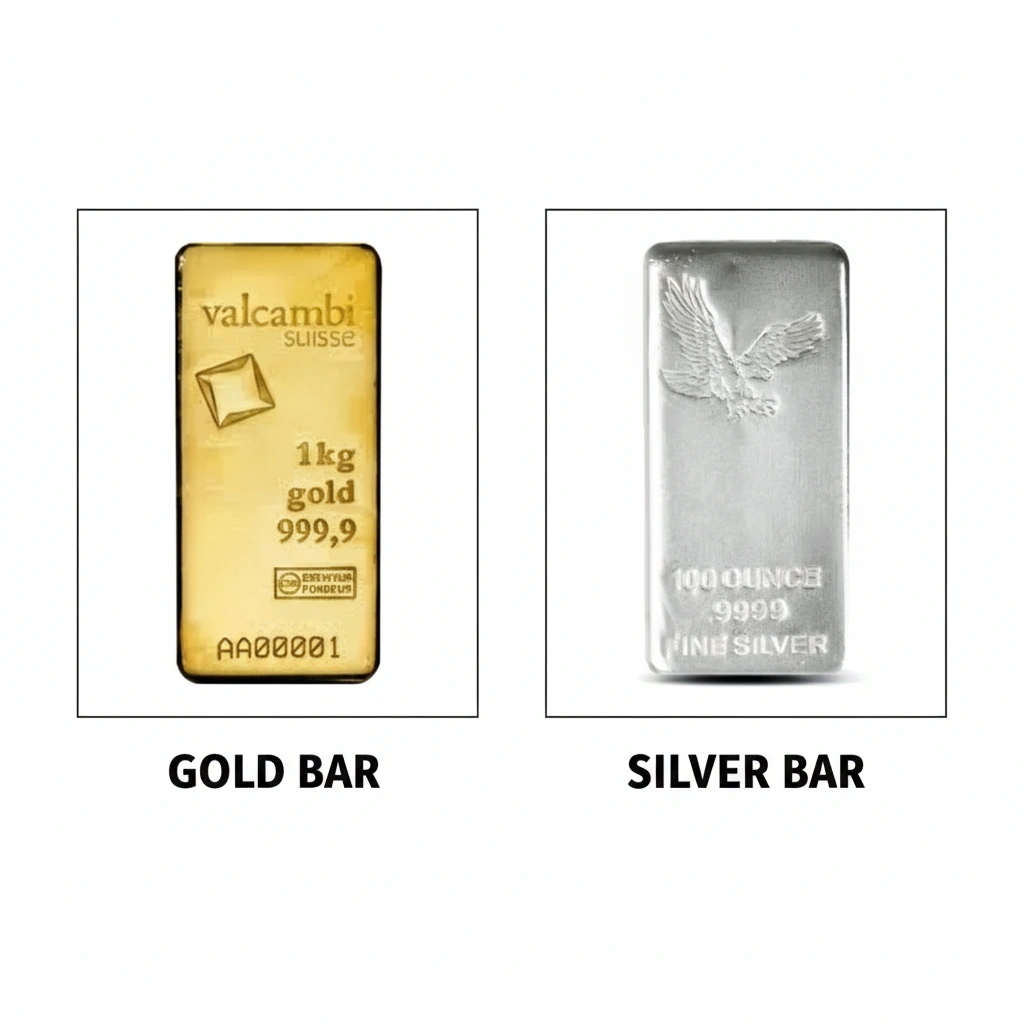
Precious metals, like gold and silver, are often considered a safe haven during times of economic uncertainty. When inflation rises or economies go into recession, the value of metals tends to increase. This is because they hold intrinsic value that isn’t tied to the performance of a particular currency or economy.
Why metals should be part of your portfolio:
- Inflation Hedge: Precious metals have a long history of acting as a hedge against inflation. During times of rising inflation, like when the value of the dollar decreases, metals such as gold maintain their value.
- Recession Protection: During economic downturns, metals have historically outperformed other asset classes. Their inherent value often remains stable or increases while stocks may experience significant losses.
- Diversification: Including metals in your portfolio helps diversify risk. Metals tend to have a low correlation with stocks and bonds, making them a great way to balance out your portfolio during times of market turbulence.
If you are looking for tips and guidance on how to invest in metals effectively, consider exploring educational resources like DEIGOLDANDSILVERCOINS, where you can find valuable insights into building a strong portfolio with precious metals.
Stocks: High Risk, High Reward
Stocks represent ownership in a company and are known for their potential to provide high returns. However, with high returns come higher risks. The value of stocks is closely tied to the financial health and market performance of the companies they represent.
Why stocks should be part of your portfolio:
- Growth Potential: Stocks offer the highest potential for growth compared to other asset classes. Over the long term, stocks have historically outperformed bonds and metals, providing substantial returns to investors.
- Capital Appreciation: If you choose the right companies and sectors, stocks can increase in value, giving you a significant return on your initial investment.
- Dividend Income: Many stocks also pay dividends, offering an additional income stream for investors.
However, it’s crucial to diversify your stock investments to manage risk. This includes investing across different sectors and geographies. Avoid putting all your money into one industry, as stocks can be volatile, especially during economic downturns.
Buy or Sell Gold & Silver Coins with Confidence
Work with a trusted Las Vegas coin dealer offering fair pricing, honest appraisals, and expert guidance every step of the way.
Bonds: Steady Income and Low Risk
Bonds are debt securities issued by corporations, municipalities, or governments. Investors who buy bonds are lending money in exchange for regular interest payments and the return of principal at maturity.
Why bonds should be part of your portfolio:
- Income Generation: Bonds provide a predictable stream of income through regular interest payments. This makes them a popular choice for conservative investors or those looking for a steady cash flow.
- Lower Risk: Bonds are generally considered lower risk compared to stocks. Government bonds, in particular, are considered one of the safest investments since they are backed by the government.
- Stability: Bonds are less volatile than stocks, offering a stable return. This makes them an excellent choice for investors looking to reduce the overall risk of their portfolio, particularly in times of inflation or recession.
During periods of market volatility, bonds can act as a stabilizing force in your portfolio. They can help offset the potential losses from stocks and metals during a market downturn.
Combining Metals, Stocks, and Bonds in Your Portfolio
The key to a smart portfolio is understanding how these three asset classes—metals, stocks, and bonds—interact with each other. By carefully balancing these assets, you can reduce risk and increase the likelihood of achieving your financial goals.
Asset Allocation Strategies:
- Aggressive Portfolio: For investors with a higher risk tolerance, an aggressive portfolio may allocate a larger portion of the funds to stocks.Typically, stocks may make up a larger portion of the portfolio, while bonds and metals account for the remaining portion.
- Balanced Portfolio: A balanced portfolio typically allocates investments across stocks, bonds, and metals to balance growth and stability. This type of portfolio provides growth potential through stocks while maintaining stability through bonds and metals.
- Conservative Portfolio: A conservative portfolio would place a larger emphasis on bonds and metals, with minimal exposure to stocks. The goal is to preserve capital and generate steady income while avoiding large losses during market volatility.
Smart portfolio allocation should be adjusted based on your financial situation, goals, and risk tolerance. It’s important to reassess your portfolio regularly to ensure it aligns with changing market conditions and personal circumstances.
Precious Metal Markets During Inflation Recession
The precious metal markets often experience a surge during inflation or recession. This is due to the historically strong inverse relationship between metals and the performance of traditional assets like stocks and bonds. Metals like gold and silver are seen as stable stores of value when other assets are underperforming.
During inflation and recession, the demand for precious metals often increases, which can support their market value. For instance, gold, traditionally viewed as a safe haven asset, tends to perform well when inflation erodes the value of the currency. In such periods, investing in precious metals can provide the diversification and protection your portfolio needs.
Key Takeaways
- Diversify Your Portfolio: A balanced mix of metals, stocks, and bonds is the best way to mitigate risk and maximize returns.
- Metals for Inflation and Recession: Precious metals act as a hedge against inflation and serve as a safe haven during recessions.
- Stocks for Growth: Stocks offer significant growth potential, but they come with increased risk.
- Bonds for Stability: Bonds provide steady income and lower volatility, acting as a stabilizing force in turbulent times.
How to Safely Buy Gold Coins Online
Buying gold coins online is safe if you choose a reputable seller like DEIGOLDANDSILVERCOINS, use secure payment methods, verify product authenticity, and ensure proper insurance and shipping. These steps protect your investment and provide peace of mind.
Customer Testimonials and Reviews
Customers praise DEIGOLDANDSILVERCOINS for reliability, fast shipping, and high-quality products. With a 4.9-star rating, both beginners and experienced investors trust the company, returning again for their gold coin investments.
FAQs
1. How do metals perform during inflation and recession?
Metals like gold and silver perform well during inflation and recession by acting as a store of value when other investments struggle.
2. What percentage of my portfolio should be in stocks, bonds, and metals?
It depends on your risk tolerance. A balanced portfolio typically spreads investments across stocks, bonds, and metals to balance growth and stability.
3. Why should I include bonds in my portfolio?
Bonds provide steady income, lower volatility, and act as a stabilizing force during market downturns.
4. What are the risks of investing in stocks?
Stocks can be volatile and may experience significant losses, especially during economic downturns or market corrections.
5. How do I invest in precious metals?
Precious metals can be purchased through ETFs, mutual funds, or physical bullion such as coins and bars.
6. What is a good strategy for investing during a recession?
During a recession, a conservative portfolio with higher allocations in metals and bonds can provide stability and reduce risk.
7. Can investing in metals protect my wealth during inflation?
Yes, metals like gold and silver tend to hold their value during inflationary periods, acting as a hedge against currency devaluation.