Are you considering starting a gold and silver coin collection but feeling unsure where to begin? You’re not alone—collecting precious metal coins can seem complex at first. From mastering numismatic terminology to deciding whether to focus on bullion coins or rare numismatic pieces, beginners face many choices. However, building a valuable coin collection doesn’t have to be overwhelming. This comprehensive guide provides authoritative insights on everything you need to know about collecting gold and silver coins, including essential tips for beginners, how to evaluate coins, and strategies for making informed investment decisions.
By the end of this guide, you’ll have a strong foundation to confidently start your collection, understanding how to identify key coin types, assess their value, and avoid common pitfalls that many novice collectors encounter. With careful planning and knowledge, your collection can become both a rewarding hobby and a strategic investment in precious metals.
What Is Numismatics and Why Should You Care?
When starting a gold and silver coin collection, it’s important to first understand the world of numismatics. Numismatics is the study and collection of currency, including coins, tokens, paper money, and medals. This field is not just for hobbyists—it’s also a serious investment avenue. For beginner collectors, learning the fundamentals of numismatics will help you avoid buying counterfeit coins, misjudging their value, or making unwise investment decisions.
Key Terms You Should Know
- Bullion Coins: These are coins primarily valued for their metal content (gold, silver, etc.). They are often minted by governments and are bought and sold based on weight and purity.
- Numismatic Coins: These are rare or collectible coins that are valued based on rarity, age, condition, and demand, rather than just the metal content.
- Melt Value: The intrinsic value of a coin, based on its precious metal content. This is a crucial metric for bullion coins.
- Proof Coins: These are specially minted coins, often with high-quality finishes, that are popular with collectors.
What Type of Coins Should You Start Collecting?
When starting a gold and silver coin collection, it’s essential for beginners to understand the different types of coins available. You can choose between bullion coins, which are valued primarily for their metal content, and numismatic coins, which derive value from rarity, historical significance, and collector demand, depending on your preferences and investment goals.
1. Bullion Coins: The Investment Focus
If you’re starting your coin collection for investment purposes, bullion coins are a great starting point. These coins are made from precious metals such as gold, silver, platinum, or palladium. Their value is based primarily on the current market price of the metal.
Popular Bullion Coins to Start With:
- American Gold Eagle: A gold bullion coin known for its purity and recognizable design.
- Canadian Maple Leaf: One of the most popular silver bullion coins, known for its high purity.
- South African Krugerrand: A gold coin that is one of the most traded in the world.
2. Numismatic Coins: The Collector’s Focus
When starting a gold and silver coin collection, it’s important to understand numismatic coins. These are coins that have collectible value beyond their metal content, and they are valued based on rarity, historical significance, and condition. Numismatic coins are often more expensive than bullion coins and are particularly sought after by collectors who enjoy the thrill of finding rare and valuable pieces.
Popular Numismatic Coins for Beginners:
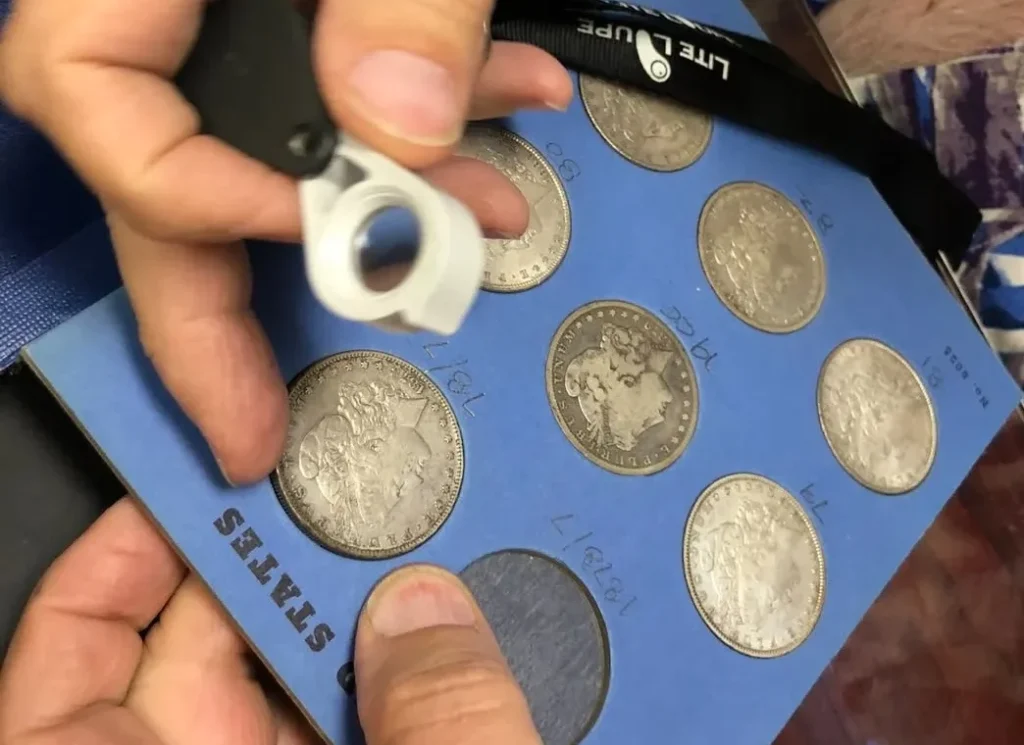
- Morgan Silver Dollar: A classic American coin with rich history and a broad collector base.
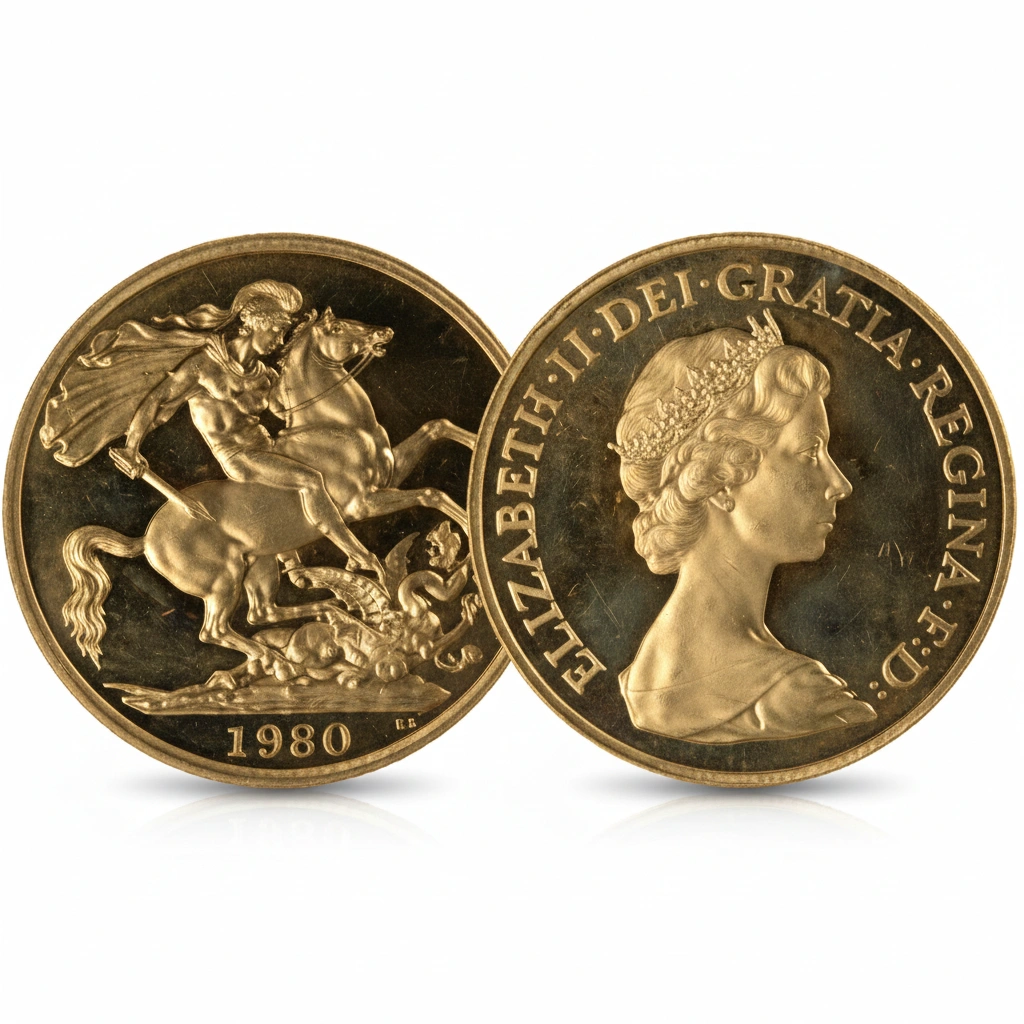
- British Sovereign: A British gold coin, prized by collectors for its historical significance.
- Ancient Roman Coins: Coins from the Roman Empire, which have fascinated collectors for centuries.
A Beginner’s Guide: How to Evaluate Gold and Silver Coins?
When you start collecting coins, especially gold and silver, knowing how to evaluate their worth is crucial. Here are the key factors that determine a coin’s value.
1. Purity and Weight
For bullion coins, the purity (usually expressed in karats or a decimal number) and the weight of the coin are the most critical factors. A coin’s purity affects its melt value, while its weight is used to calculate its overall worth. For example:
- Gold purity: 22 karat (91.67% pure) or 24 karat (99.99% pure).
- Silver purity: 90% silver for many older coins or 99.9% for modern coins.
2. Condition (Grade)
When starting a gold and silver coin collection, the condition of a coin is one of the most important factors in determining its numismatic value. Coins are graded based on their condition, which is generally classified as:
- Uncirculated (MS-60 or above): The coin is in mint condition, with no wear and minimal imperfections.
- Circulated (F or VF): The coin has been used and shows signs of wear.
- Proof (PR): Coins specially minted for collectors, often with a mirror-like finish and no circulation.
3. Rarity and Demand
The rarity of a coin is determined by how many were minted and how many remain in circulation today. For numismatic coins, demand can be driven by historical events, collector interest, and market trends.
Buy or Sell Gold & Silver Coins with Confidence
Work with a trusted Las Vegas coin dealer offering fair pricing, honest appraisals, and expert guidance every step of the way.
How to Buy Gold and Silver Coins Safely?
As you embark on your coin collection journey, buying coins safely is crucial to avoid scams and make wise investments. Here are some tips on how to make your purchases:
1. Buy from Reputable Dealers
When starting a gold and silver coin collection, always purchase bullion or numismatic coins from trusted and reputable dealers. Look for dealers with a solid track record who are members of professional organizations, such as the American Numismatic Association (ANA) or the Professional Numismatists Guild (PNG), to ensure authenticity and fair pricing.
2. Verify the Authenticity of the Coin
For numismatic coins, it’s essential to verify the authenticity. Look for certification from a trusted grading company, such as PCGS or NGC. These organizations evaluate and authenticate coins, giving you confidence that you’re purchasing genuine items.
3. Understand Market Pricing
When starting a gold and silver coin collection, it’s important to familiarize yourself with the current market prices of gold and silver before making any purchases. Websites like Kitco and JM Bullion provide up-to-date precious metal prices, while for numismatic coins, consider reviewing auction prices and sales trends on platforms such as Heritage Auctions and eBay to make informed buying decisions.
Storing and Caring for Your Coin Collection
Once you start building your collection, you’ll need to properly store and care for your coins to ensure they maintain their value.
1. Use Protective Cases
When starting a gold and silver coin collection, proper protection of your coins is crucial. For bullion coins, using protective cases or capsules is essential to prevent scratches and damage, while for numismatic coins, consider using coin albums or slabs to ensure the highest level of protection and preserve their value over time.
2. Avoid Cleaning Your Coins
One common mistake beginners make is cleaning their coins. Cleaning can damage the surface and reduce the coin’s value. Instead, if your coins are dirty, store them in a safe, dry place and let the dirt settle naturally.
3. Maintain a Record
When starting a gold and silver coin collection, it’s important to keep track of your coins with a simple inventory system. This can be done digitally or with a written log, noting details such as coin type, date of purchase, grade, and value to maintain organization and monitor your collection’s growth.
Pro Tips for Beginners
- Start Small: Don’t rush into buying expensive coins. Start with a few affordable bullion coins to learn the process.
- Do Your Research: Read books, join online forums, and follow coin-related news to stay up-to-date.
- Join a Collecting Community: Joining a numismatic community or club can be an excellent way to learn, network, and find good deals.
FAQ Section
1. How much should I spend when starting a coin collection?
Start with a modest budget and focus on learning. A few affordable bullion coins or small numismatic pieces are great choices for beginners.
2. How do I know if a coin is real or fake?
Always purchase from reputable dealers and look for coins that are certified by trusted grading companies like NGC or PCGS. Avoid buying coins from questionable sources.
3. What is the best way to store my coins?
Store your coins in protective cases or slabs, keeping them in a dry, cool place away from direct sunlight to avoid any damage.
4. Can I sell my coins for a profit?
Yes, you can sell coins for a profit, especially if they’re rare numismatic coins. Make sure to track their market value and consider using reputable auction sites.
5. What types of coins should I focus on as a beginner?
Start with bullion coins like the American Gold Eagle or Canadian Maple Leaf, which are easier to value and widely recognized.
6. Is it better to collect gold or silver coins?
Both gold and silver coins can be valuable, but gold coins tend to hold their value better over time. Silver coins, on the other hand, are more affordable for beginners.
7. How do I maintain the value of my collection?
When starting a gold and silver coin collection, proper storage, regular research on market trends, and avoiding cleaning your coins are crucial to maintaining their value over time.
Conclusion
Starting a gold and silver coin collection can be an exciting and rewarding hobby or investment. When starting a gold and silver coin collection, it’s important to understand the basics of numismatics, know how to evaluate coins, and purchase from reputable sources. Whether you’re collecting for investment potential or enjoyment, starting small and continuing to educate yourself will help you avoid costly mistakes and gradually build a valuable, long-lasting collection.