Are you confused about whether to buy certified or raw coins for your collection?
If so, you’re not alone. Many collectors, whether seasoned or new, grapple with the decision of investing in Certified vs Raw Coins. Certified coins often come with a guarantee of quality and authenticity, but are they always the best option? Or should you embrace the raw, ungraded coins, potentially saving money while taking on a bit of risk? Understanding the differences between Certified vs Raw Coins can help you make a more informed choice for your collection.
This blog post will guide you through the critical differences between certified and raw coins, highlighting their pros and cons. We’ll also help you understand which type suits your collecting style, investment goals, and budget. By the end, you’ll have the knowledge to make a well-informed decision when adding to your coin collection.
What are Certified Coins?
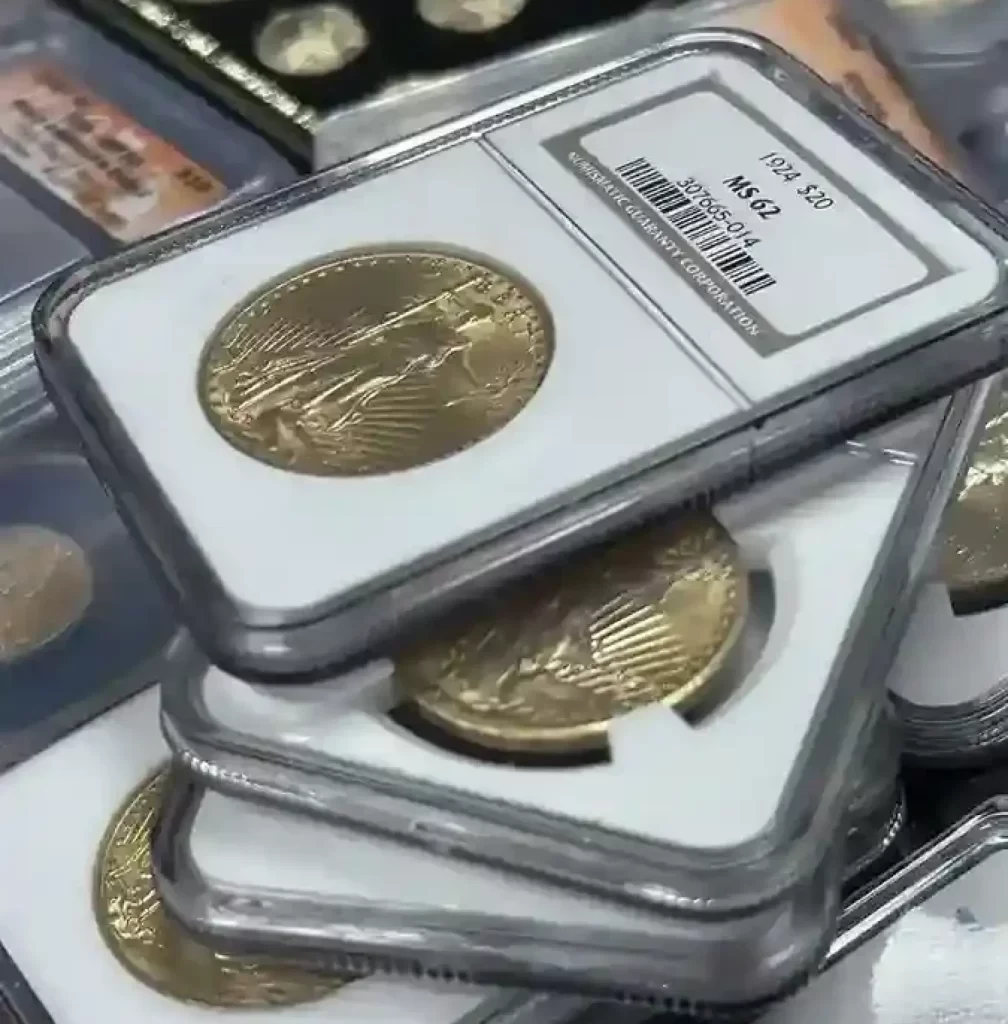
Certified vs Raw Coins differ mainly in grading and authentication. Certified coins are those that have been graded and authenticated by professional organizations such as PCGS (Professional Coin Grading Service) or NGC (Numismatic Guaranty Corporation). These institutions provide a grade based on the coin’s condition, authenticity, and sometimes rarity, offering a detailed certificate that guarantees the coin’s value.
Benefits of Certified Coins:
- Authenticity Guarantee: Certified coins come with a promise that the coin is genuine and not a counterfeit.
- Resale Value: Because certified coins are graded, they tend to have a more consistent and reliable value, making them easier to sell.
- Investment Security: Many collectors and investors prefer certified coins due to their standardization in condition, rarity, and value.
- Protection: The certification process usually involves protective encapsulation, keeping your coins safe from environmental damage or wear.
Popular Certification Services:
- PCGS Grading: PCGS is one of the leading grading services. Their coins often fetch higher prices in the market due to their established reputation.
- NGC Certification: NGC is another well-respected grading service that also offers precise and reliable grading for collectors and investors.
What Are Raw Coins?
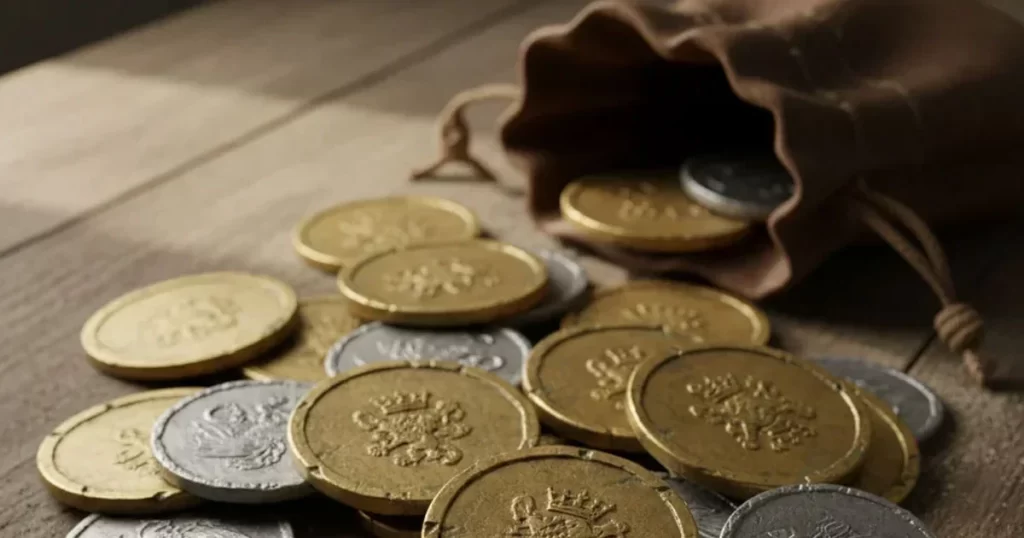
In the debate of Certified vs Raw Coins, raw coins are ungraded and have not been evaluated by a professional certification service. These coins are typically sold in their original, natural state, leaving their condition, authenticity, and value to the discretion of the buyer.
Benefits of Raw Coins:
- Lower Purchase Price: Raw coins often come with a significantly lower upfront cost, making them appealing for budget-conscious collectors.
- Room for Personal Evaluation: When buying raw coins, collectors have the freedom to inspect and judge the condition, authenticity, and potential of the coin themselves.
- Potential for Higher Gains: If you happen to find a valuable raw coin and decide to get it certified later, you may benefit from a significant price increase.
Drawbacks of Raw Coins:
- Risk of Counterfeiting: Without certification, there’s a higher risk of encountering fake or altered coins.
- Difficulty in Selling: Selling raw coins can be more challenging, as potential buyers might be hesitant without a certified grade to rely on.
- Uncertainty in Value: Unlike certified coins, raw coins can vary widely in price based on their condition and market demand, leading to potential losses if not properly evaluated.
Buy or Sell Gold & Silver Coins with Confidence
Work with a trusted Las Vegas coin dealer offering fair pricing, honest appraisals, and expert guidance every step of the way.
Certified vs Raw Coins: Which Offers Better Value?
While certified coins offer several benefits in terms of authentication, preservation, and resale potential, raw coins may appeal to collectors who are looking for lower prices and greater flexibility. Let’s break down some of the key factors that influence value:
| Factor | Certified Coins | Raw Coins |
| Price | Typically higher due to certification and grading | Lower, but may require grading fees |
| Resale Value | More predictable and generally higher | Less predictable, harder to sell |
| Risk | Lower risk of counterfeiting and poor condition | Higher risk of receiving counterfeit or damaged coins |
| Liquidity | Easier to sell, with a well-established market | Harder to sell due to lack of certification |
| Investment Potential | More stable and trustworthy investment | May offer greater upside if successfully graded later |
When Should You Buy Certified Coins?
Certified coins are ideal for serious collectors and investors looking for security, reliability, and an assurance of value. They are perfect if:
- You are building a collection with a long-term investment perspective.
- You prefer the peace of mind that comes with the authenticity and condition guarantee.
- You want to trade or sell your coins with ease, as certified coins tend to have a more liquid market.
When Should You Buy Raw Coins?
Raw coins can be a good choice for:
- Beginner collectors who are learning about coins and wish to practice evaluating them without committing too much money upfront.
- Investors looking for coins with the potential for high returns, especially if they plan to have them certified later.
- Those looking for rare coins at a bargain price, especially if they are confident in their ability to evaluate the coin’s quality.
Real-World Example: A Tale of Two Coins
To illustrate the difference, let’s look at a real-world example of a coin collection:
- Certified Coin: A 1921 Morgan Silver Dollar graded MS-65 by PCGS, with a market value of around $500.
- Raw Coin: A similar 1921 Morgan Silver Dollar purchased for $300. After submitting it for grading, the coin receives a grade of MS-62, making it worth only $200—resulting in a financial loss.
While the raw coin had the potential for a higher return, its condition, which was initially uncertain, led to a disappointing investment. The certified coin, on the other hand, held a consistent value due to its grading.
Pro Tips for Buying Coins:
- Do Your Research: Always research the coin and its current market value before purchasing. Use reputable resources like the Red Book and online auction sites.
- Buy from Trusted Dealers: Whether you’re buying certified or raw coins, it’s crucial to buy from established, trustworthy dealers to avoid counterfeit items.
- Consider Long-Term Investment: If you plan to sell your collection in the future, certified coins often provide a higher return on investment due to their liquidity and market demand.
FAQ Section:
1. What is the difference between certified and raw coins?
Certified coins are graded by professional organizations, guaranteeing their authenticity and condition. Raw coins are ungraded and left to the buyer’s evaluation.
2. Are certified coins always more expensive?
Yes, certified coins tend to be more expensive because of the grading and the guarantee of authenticity and quality.
3. Can raw coins be valuable?
Raw coins can certainly be valuable, but their worth is often uncertain until they are graded.
4. Should I always buy certified coins?
Not necessarily. Raw coins can be a good choice for collectors who are comfortable evaluating the coins themselves or for those looking for bargains.
5. How do I know if a raw coin is valuable?
Evaluating a raw coin’s value requires experience in coin grading or consulting with experts who can help determine its condition and authenticity.
6. Can I get raw coins certified later?
Yes, raw coins can be submitted for certification. However, this requires additional costs for grading and may not always result in a higher value.
7. What is PCGS grading?
PCGS grading is a professional grading service that assigns a numeric grade to a coin, reflecting its condition and authenticity.
Conclusion: Certified vs Raw Coins – Which One is Right for You?
Both certified and raw coins have their unique advantages and drawbacks, and the decision ultimately depends on your goals as a collector or investor. Certified coins offer the security of authentication and a reliable market, making them ideal for those seeking to invest or build a collection with proven value. Raw coins, on the other hand, can provide an opportunity for collectors to find bargains and potentially high returns, but they come with added risk and uncertainty.
When deciding between Certified vs Raw Coins, if you’re just starting your journey into numismatics or investing in coins, it may be worth considering certified coins for their reliability and peace of mind. However, if you’re an experienced collector with a keen eye for detail and a higher risk tolerance, raw coins might be your ideal choice.