When it comes to safeguarding your wealth, precious metals like gold, silver, platinum, and palladium have stood the test of time as reliable stores of value. But how can you structure a precious metals portfolio that not only helps preserve your capital but also thrives over the long term?
Building a well-balanced precious metals portfolio isn’t just about buying a few ounces of gold. It requires careful consideration of factors like diversification, market conditions, and long-term stability. In this guide, we’ll show you how to approach your precious metals investment strategy with practical advice, key insights, and expert tips that you can implement today.
In today’s market environment—with precious metal prices experiencing significant volatility—having a strategic, well-balanced approach is more important than ever. While market conditions constantly shift, the fundamental principles of diversification and long-term planning remain your best tools for wealth preservation.
Why Build a Precious Metals Portfolio?
What Are the Key Benefits of Investing in Precious Metals?
Precious metals are considered one of the safest investment classes, especially during times of economic uncertainty. Historically, gold and silver have acted as a hedge against inflation, currency devaluation, and global financial instability. They offer investors protection when traditional markets like stocks and bonds may be volatile or underperforming.
Pro Tip:
According to a 2023 study by the World Gold Council, during periods of high inflation, gold has outperformed most other assets, maintaining its purchasing power over time.
In addition to this, precious metals are tangible assets that do not depend on the performance of any individual company, government, or economy. This makes them a secure long-term investment option for those looking to diversify their portfolios.
Beyond portfolio diversification, precious metals also serve important roles in estate planning and wealth transfer. Many investors work with trusted advisors to discuss how to properly bequeath gold and silver to their children, gift precious metals to grandchildren, or get younger family members interested and involved in preserving generational wealth. These are conversations best held in a private, comfortable setting with someone you can trust.
The Role of Diversification in Precious Metals Investing
As with any investment, diversification is key to managing risk. In precious metals, this means spreading your investments across different types of metals and forms (coins, bars, ETFs) to shield yourself from market volatility and unpredictable price swings.
Example: An investor who holds only gold may find themselves vulnerable to a sudden shift in gold prices. However, if they also hold a mix of silver, platinum, and palladium, they can balance their exposure to different market cycles and reduce the impact of price fluctuations.
How to Choose the Right Precious Metals for Your Portfolio
Which Precious Metals Should You Consider?
While gold is often the go-to for investors, it’s important to understand that each metal comes with its own set of advantages and risks.
- Gold: As the most popular choice, gold has a long history of preserving value. It’s considered the safest of all precious metals due to its widespread acceptance and reliability.
- Silver: Silver is more affordable than gold and can offer greater potential for growth during economic recoveries. It’s also widely used in industries like electronics, which may increase demand.
- Platinum & Palladium: These metals are used primarily in industrial applications, particularly in the automotive sector for catalytic converters. While they offer potential for higher returns, they also come with more volatility due to their industrial nature.
Pro Tip: It’s often wise to allocate a larger portion of your portfolio to gold (40-60%) for stability, while balancing it with silver (20-40%) and a smaller allocation of platinum and palladium (10-20%) for diversification.
Buy or Sell Gold & Silver Coins with Confidence
Work with a trusted Las Vegas coin dealer offering fair pricing, honest appraisals, and expert guidance every step of the way.
Understanding Risk and Reward in Precious Metals
How Do Precious Metals Differ in Terms of Risk?
Precious metals are considered safe havens, but they also come with risks. The prices of metals like gold and silver can be volatile due to factors like currency fluctuations, geopolitical tensions, and market sentiment.
Gold tends to be less volatile and is often used as a hedge against market uncertainty. In contrast, silver and other metals like platinum can be more sensitive to economic cycles, especially in industrial applications. Therefore, the risk varies depending on the specific metal and the broader market trends.
Example: During an economic downturn, gold prices might rise as investors flock to safe havens, while silver and platinum might not see the same level of performance, especially if industrial demand drops.
How to Manage Risk While Investing in Precious Metals?
To manage risk, you need a strategy that accounts for both long-term stability and short-term market conditions. Here’s how you can do it:
- Spread Your Investment Across Different Metals: Avoid putting all your funds into one metal. A mix of gold, silver, and other metals can reduce your exposure to a single market risk.
- Include Different Forms of Precious Metals: In addition to physical metals (coins and bars), consider precious metal ETFs, mutual funds, or mining stocks to further diversify your portfolio.
- Rebalance Regularly: Market conditions change, and so should your portfolio. Reassess your allocation every 6-12 months to ensure it aligns with your financial goals and the market climate.
How to Build a Diversified Precious Metals Portfolio
What Does a Balanced Portfolio Look Like?
A well-diversified precious metals portfolio isn’t just about holding a variety of metals; it’s also about choosing the right forms and sizes. Here’s how to get started:
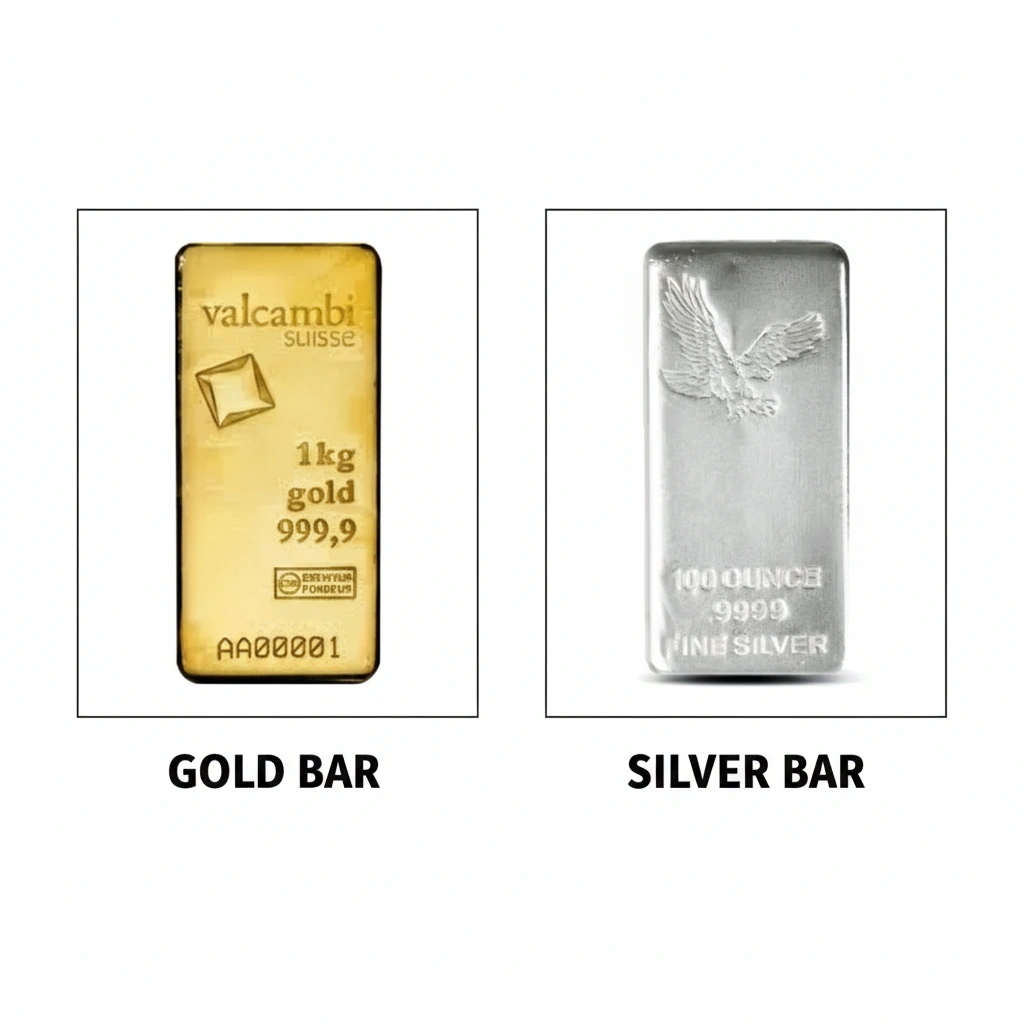
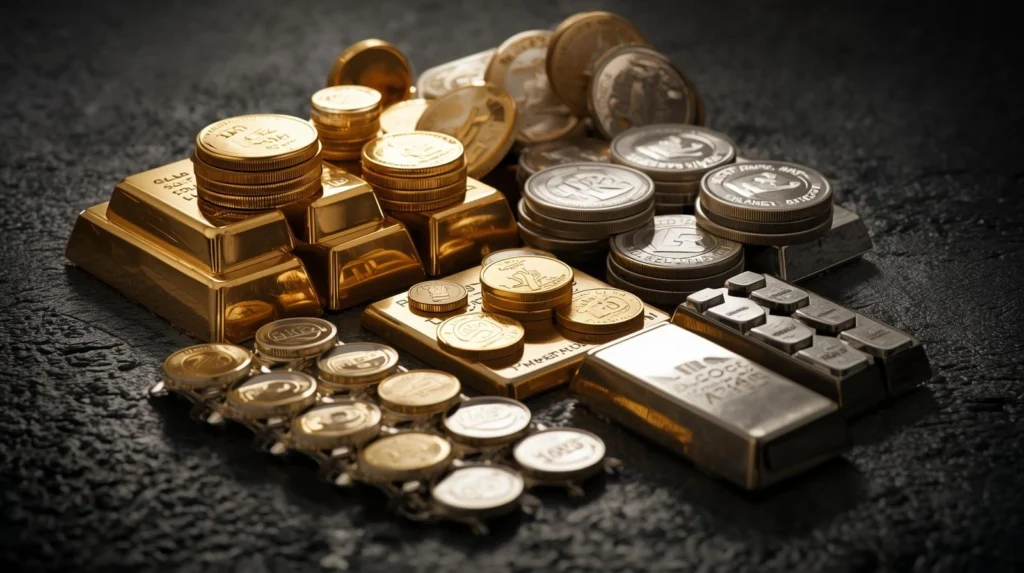
- Gold Coins and Bars: Gold is often purchased in coins or bars. Coins like the American Gold Eagle or the Canadian Gold Maple Leaf are popular among investors. Bars are another option but can be harder to liquidate quickly.
- Silver Coins and Bars: Silver has a higher volume-to-value ratio compared to gold, making it an affordable option for most investors. Popular silver coins include the American Silver Eagle or the Canadian Silver Maple Leaf.
- Precious Metal ETFs & Mining Stocks: These are less tangible but offer exposure to precious metals markets without needing to physically store the metals. Mining stocks can provide higher returns, but they come with additional risks, such as company-specific issues.
Pro Tip: Physical precious metals tend to perform well when markets are uncertain, while ETFs or stocks may be a better bet during periods of economic growth.
Real-World Examples of Successful Precious Metals Portfolios
Example 1: Long-Term Gold & Silver Investment Strategy
John, an investor in his 40s, started building his precious metals portfolio in 2008 when the global financial crisis spurred fears about inflation. He allocated 60% of his portfolio to gold and 40% to silver, making monthly purchases of both metals. By 2020, his portfolio had grown substantially in value, providing him with a solid hedge against stock market volatility.
Example 2: Adding Platinum for Industrial Exposure
Sarah, a business owner with a focus on growth, decided to add platinum to her portfolio in 2015. With a growing automotive industry and increasing demand for platinum in catalytic converters, she took advantage of the metal’s lower price at the time. Over the years, platinum prices rose, and Sarah’s decision to diversify paid off.
Example 3: Using ETFs for Liquidity and Growth
Mike, a younger investor, preferred the liquidity and flexibility that ETFs offered. He invested in several precious metal ETFs, focusing on a blend of gold, silver, and platinum funds. This allowed him to access his funds quickly when he needed, while still participating in the precious metals market.
Next Steps: As you develop your precious metals investment, consider finding a trusted professional you’re comfortable with—someone who can discuss not just buying and selling, but comprehensive topics like estate planning, wealth preservation, and how to involve your family in these important financial decisions. The right advisor should make you feel comfortable discussing sensitive financial matters in a private, professional environment.
FAQ Section
1. What is the best precious metal to invest in for beginners?
Gold is often considered the best metal for beginners due to its stability, historical value, and widespread acceptance. It offers a safe entry point into precious metals investing.
2. How much of my portfolio should be in precious metals?
Experts recommend that 5-10% of your portfolio be allocated to precious metals to maintain diversification while protecting against inflation.
3. Should I invest in physical gold or ETFs?
Physical gold offers security, but ETFs are more liquid and easier to manage. Consider a mix based on your risk profile and liquidity needs.
4. How do precious metals protect against inflation?
Precious metals like gold and silver are often seen as stores of value during inflationary periods because their value typically rises when fiat currencies lose purchasing power.
5. What is the best way to store precious metals?
Safe storage options include home safes, safety deposit boxes, or trusted third-party facilities. Choose a solution that is secure, insured, and suited to your needs, ideally with guidance from a dealer you trust.
6. What are the risks of investing in precious metals?
Precious metals can be volatile in the short term and are affected by factors like interest rates, industrial demand, and geopolitical tensions. Diversifying your portfolio helps mitigate risks.
Conclusion
Building a balanced precious metals portfolio requires careful planning, diversification, and a keen understanding of the risks and rewards of each metal. By spreading your investment across different metals, forms, and investment types, you can reduce risk and improve the potential for long-term growth.
Remember, a successful precious metals portfolio isn’t about following trends—it’s about crafting a strategy that aligns with your financial goals, risk tolerance, and market outlook. Start small, diversify wisely, and keep your focus on long-term stability.
Beyond the numbers and market analysis, find a precious metals professional you’re truly comfortable with someone who can discuss everything from daily transactions to sensitive topics like estate planning, gifting strategies for your family, and wealth preservation across generations. The right partnership makes all the difference when navigating both volatile markets and important life decisions.