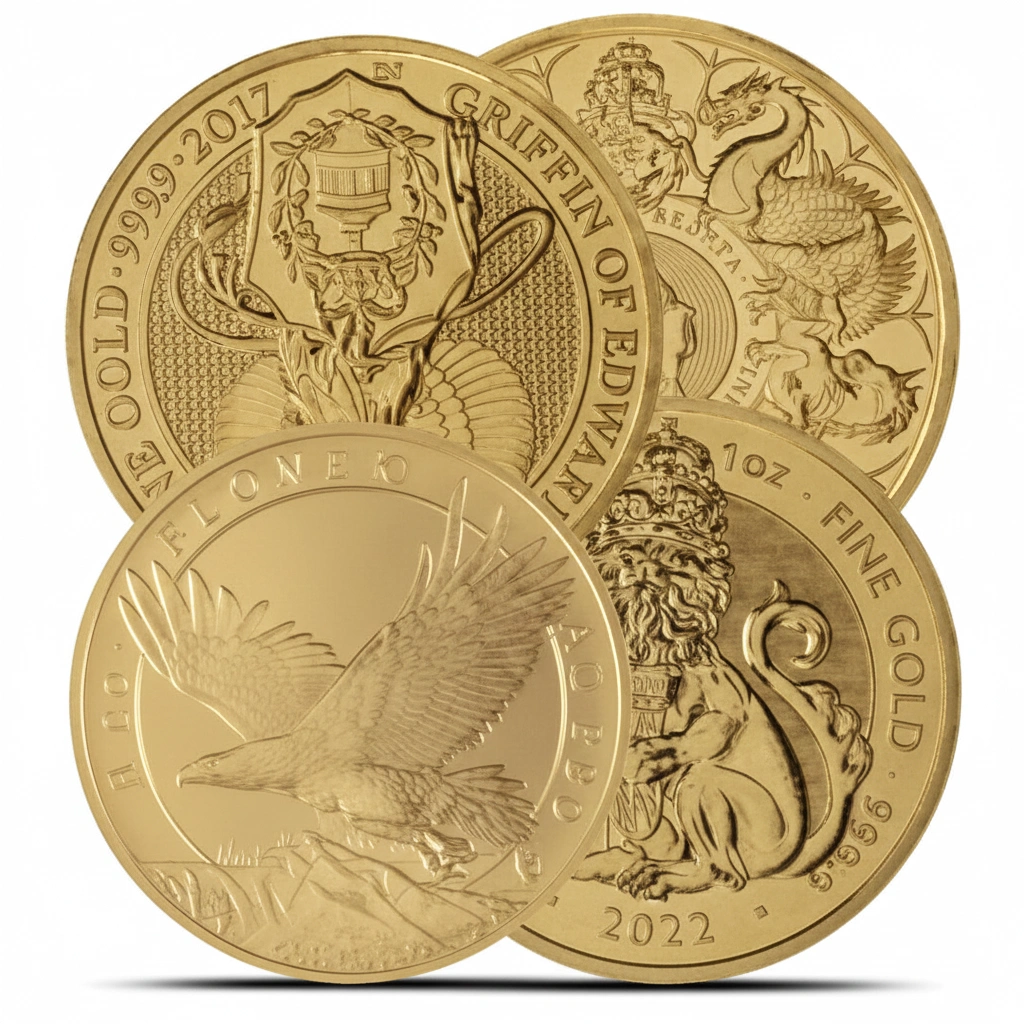
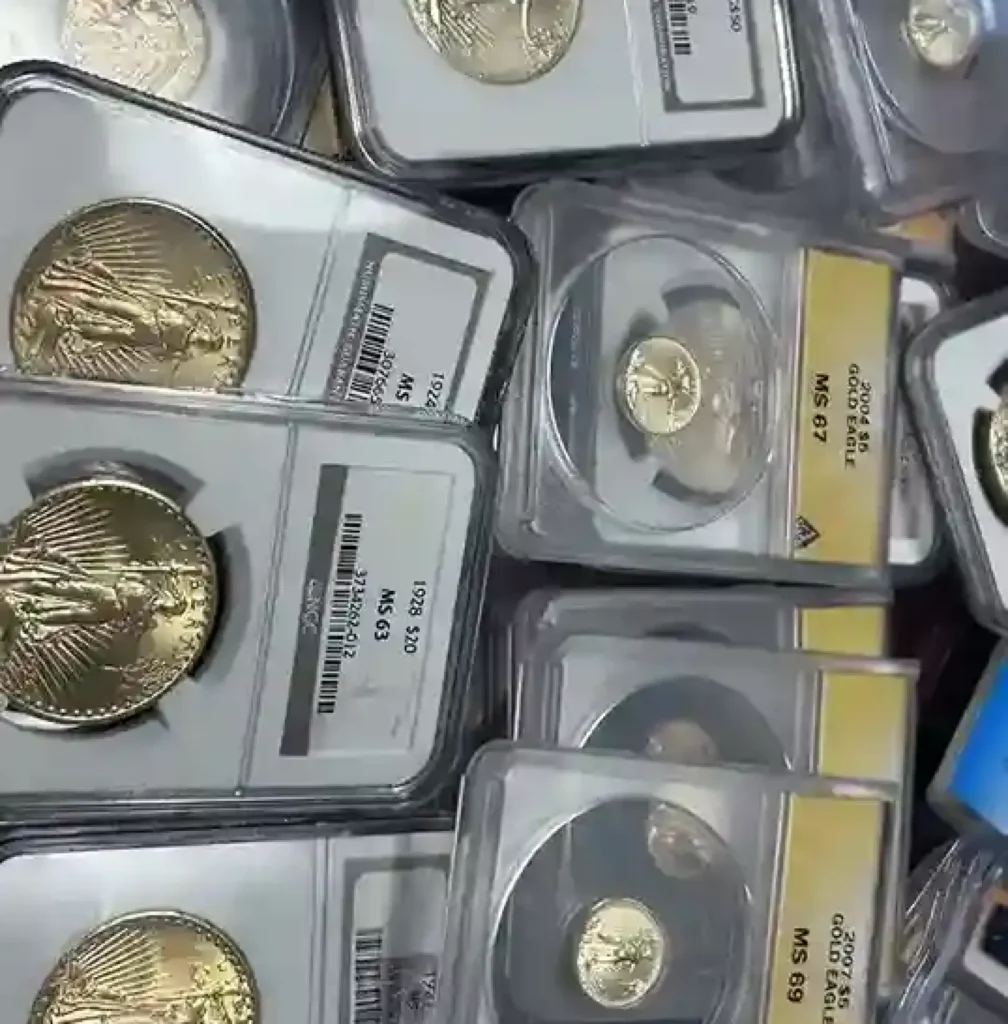
Are you sitting on a valuable coin collection and wondering how to sell it for the best price?
Whether it’s a few prized pieces or an extensive collection that spans decades, selling a coin collection is not always as straightforward as it might seem. With numerous options—auctions, dealers, or direct sales—the process can feel overwhelming, especially for those unfamiliar with the ins and outs of the coin market.
Here’s the problem: Many collectors are unsure where to start. Should you go to an auction, seek a dealer’s advice, or sell directly to buyers? Each method comes with its own pros and cons, and understanding these can help you make the best decision.
In this blog post, we’ll guide you through the different ways to sell your coin collection, from auctions to working with dealers and even selling directly. We’ll also provide insights and actionable tips to maximize your return and avoid common mistakes.
Why Selling a Coin Collection Can Be Tricky
Selling a large coin collection involves more than just finding a buyer. You have to assess the value, understand the market demand, and figure out how to get the best price for your coins. It’s a process that requires knowledge of both the numismatic market and the specific methods available to sell.
But why is it so tricky? It’s simple: Coin values can fluctuate based on market conditions, buyer interest, rarity, and even timing. Without a clear strategy, you may end up undervaluing your collection or losing out on a better opportunity.
Auction vs Dealer vs Direct Sale: What’s the Best Option?
There are three primary avenues for selling a large coin collection: auctions, dealers, and direct sales. Let’s dive into the advantages and disadvantages of each approach.
What Are the Advantages of Selling at an Auction?
Auction houses can offer a lot of exposure for your coin collection. They are often the go-to platform for high-end or rare coins, providing access to a global pool of buyers. Here’s why you might want to consider auctioning your coins:
- Global Reach: Auction houses can showcase your coins to an international audience, increasing the potential for higher bids.
- Price Competition: With multiple bidders competing, auctions can drive up the price of your coins.
- Transparency: Auctions provide transparency in pricing, giving you a clear understanding of what your coins are worth in the market.
When Should You Consider Auctioning Your Coins?
- Rare or High-Value Coins: If your collection includes high-demand, rare, or historically significant pieces, auctions can fetch a premium price.
- One-of-a-Kind Items: If your coins are unique or particularly special, auctions provide a platform for collectors who might be seeking these exact items.
Pro Tip: Auctions typically charge fees (10-20% of the final sale price). Be sure to factor this into your expected returns before listing your collection.
Working with Coin Dealers: Pros and Cons
Coin dealers are specialists who can help you sell your collection quickly and without the hassle of auctioning it. Here are the benefits and drawbacks of working with a dealer:
Advantages of Selling to a Dealer
- Quick Transaction: You don’t have to wait for an auction to close. Dealers can provide an immediate offer for your coins.
- Less Risk: You’re guaranteed a price, and there’s no uncertainty involved.
- Convenience: Dealers handle the transaction process, including paperwork and appraisal.
Buy or Sell Gold & Silver Coins with Confidence
Work with a trusted Las Vegas coin dealer offering fair pricing, honest appraisals, and expert guidance every step of the way.
When Should You Work with a Coin Dealer?
- Larger Collections: If you’re dealing with a large collection, working with a dealer can simplify the process.
- Low to Mid-Value Coins: For more common coins or less rare collections, a dealer may offer a fair price without the complexities of an auction.
Pro Tip: Always get multiple quotes from different dealers before making a decision. This helps ensure you’re getting a fair offer.
Direct Sale: Selling Coins to Buyers
Selling coins directly to buyers may be the most straightforward route, especially if you already have an interested party in mind. You can sell through platforms like online marketplaces, social media, or even in-person exchanges.
Advantages of Selling Directly
- Higher Profit: Without auction or dealer fees, you may be able to sell your coins for a better price.
- Control Over Pricing: You can set the price based on your knowledge and research, giving you more control over the transaction.
- Personal Touch: Engaging directly with buyers can build a trusting relationship, especially if they are passionate collectors.
When Should You Opt for Direct Sale?
- Targeted Buyers: If you know someone looking for specific coins in your collection, a direct sale might be the best option.
- Online Marketplaces: Websites like eBay, Etsy, or specialized numismatic platforms allow you to sell to a broad audience without dealing with intermediaries.
Pro Tip: Always research the buyer’s reputation before completing a transaction, especially for larger sums. Use secure payment methods to protect yourself from scams.
Liquidation Strategies: Maximizing Value
Regardless of which method you choose, maximizing the value of your coin collection requires a strategy. Here are some tips to help you get the best return on your investment:
- Get Your Coins Appraised: Before selling, get your collection appraised by a professional. This will help you understand its worth and guide your decision-making.
- Research the Market: Stay updated on the latest trends and demand for specific coins. The value of coins can fluctuate based on market conditions, so timing matters.
- Consider Timing: If you’re selling during an economic downturn or when the market is saturated, you may not get the best price. Waiting for the right market conditions can make a significant difference.
Case Study: A collector once sold a rare 1913 Liberty Head nickel at an auction for $3 million, thanks to its extreme rarity and the high demand at the time. This highlights the importance of market timing and demand.
FAQ Section
1. What is the best way to sell a coin collection?
The best method depends on the value and rarity of your coins. Auctions work well for rare or high-value coins, while dealers are great for quicker transactions. Direct sales are an option if you have a buyer in mind.
2. Should I sell my coin collection to a dealer?
If you have a large collection or need to sell quickly, dealers can offer a straightforward solution. However, it’s advisable to get multiple quotes to ensure a fair price.
3. How do I know if my coins are valuable?
Getting your coins appraised by a professional is the most reliable way to determine their value. You can also research online marketplaces and numismatic catalogs for pricing references.
4. Can I sell coins directly online?
Yes, platforms like eBay, Etsy, and specialized numismatic websites offer direct sales to buyers. Ensure you are knowledgeable about the coins’ value and use secure payment methods.
5. What are the fees associated with selling coins at auction?
Auction houses typically charge a commission fee ranging from 10-20% of the final sale price. Be sure to factor this into your expectations when deciding if an auction is the right choice for you.
6. How long does it take to sell a coin collection at auction?
The time it takes depends on the auction house and the demand for your coins. Auctions may take several weeks or even months to close, but they provide access to a wide range of potential buyers.
7. What should I do if I can’t find a buyer for my coins?
If you’re having trouble selling, consider adjusting your pricing or exploring new sales channels. It may also be worth waiting for market conditions to improve before relisting.
Conclusion: Which Method Is Right for You?
Selling a large coin collection involves assessing your goals, the value of your coins, and your timeline. Whether you choose to sell at auction, work with a dealer, or engage in a direct sale, understanding the pros and cons of each option will help you make an informed decision.
At DEIGOLDANDSILVERCOINS, we believe numismatics is about more than transactions—it is about preserving history, sharing knowledge, and building long-term relationships within the collecting community. Whether you are an experienced collector, a precious metals investor, or someone new to the world of coins, our team is committed to delivering honest guidance and professional service at every stage.
Take the time to evaluate all options, get expert advice when necessary, and most importantly, don’t rush the process. Your collection deserves the right buyer, and by choosing the best method for you, you’ll ensure a rewarding sale.