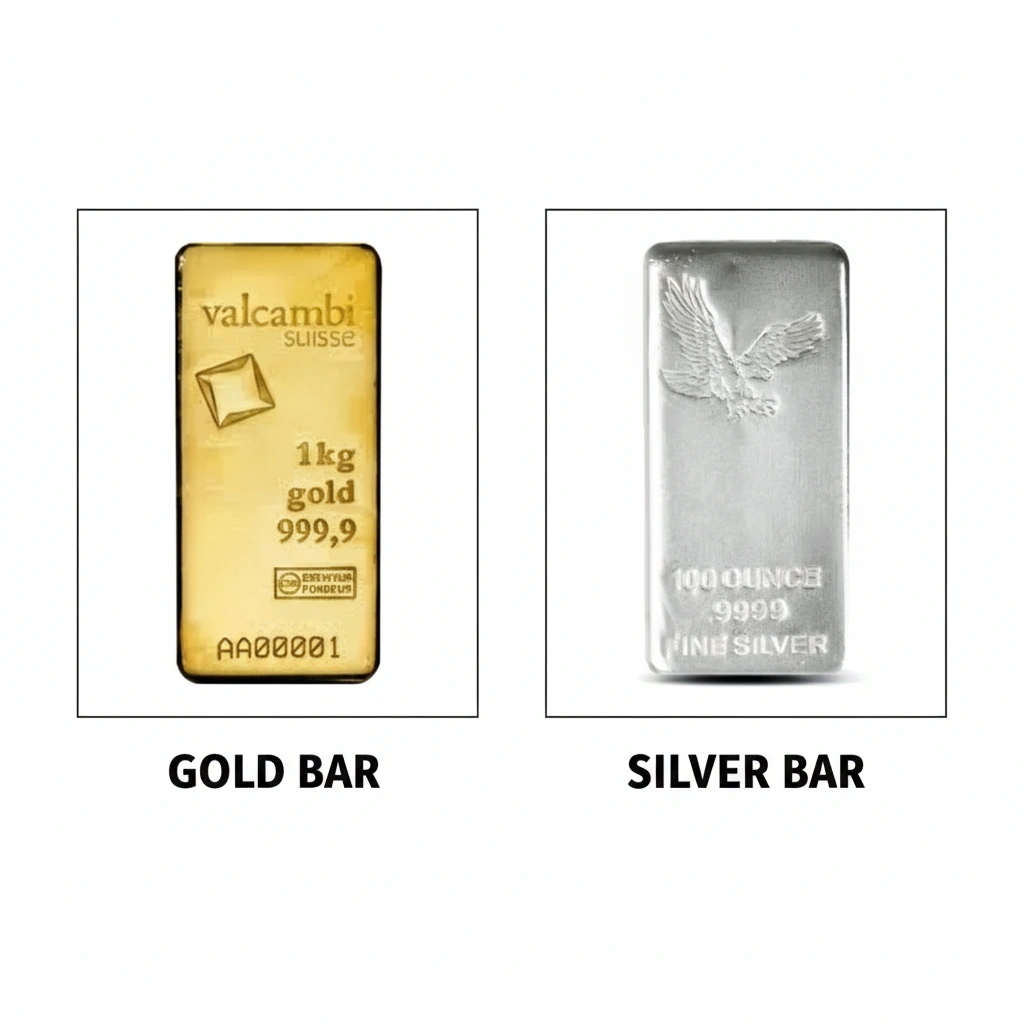
As gold prices soar past $4,300 per ounce in October 2025, both new and seasoned investors are wondering: is now a good time to buy gold or sell? Because gold has reached an all-time high, opinions are divided. On one hand, momentum and strong demand continue to support its value; on the other hand, a market correction might be around the corner.
Whether you’re looking to secure profits or considering a fresh entry, this article will help you understand what’s driving gold right now and how to decide your next move with confidence.
Where Gold Stands Right Now
Gold reached a record $4,381 per ounce in mid-October 2025 before experiencing mild consolidation. The upcoming Federal Reserve meeting (December 9-10) remains pivotal, as rate guidance will directly influence real yields and inflation expectations.
| Indicator | Current Status (Nov 2025) | Impact on Gold Prices |
| Spot Gold Price | ~$4,203/oz | Near record high; indicates strong momentum |
| Real Yields | Declining | Supports further upside |
| USD Index | Weakening | Enhances gold’s appeal |
| ETF Inflows (YTD) | +$12.9 billion | Reflects robust institutional demand |
| Central-Bank Purchases | +19 tonnes (Aug 2025) | Reinforces long-term structural support |
What Factors Are Driving Gold Right Now in 2025
Several global and economic factors are driving gold prices in 2025, including inflation, interest rates, and investor demand.
1) Real Yields and Fed Policy Expectations
Historically, gold has moved inversely to real yields. When real yields drop, usually during rate cuts, the opportunity cost of holding gold decreases. Consequently, gold becomes more attractive as a safe-haven asset.
If you’re asking is now a good time to buy gold, understanding this relationship is essential. A fall in real yields usually supports higher gold prices, but any policy shift that strengthens real yields could lead to a short-term sell-off.
2) Central-Bank Demand
Central banks continue to build gold reserves, adding 19 tonnes in August 2025 alone. This steady buying has become one of the strongest long-term supports for gold prices. Since these institutions buy for stability rather than speculation, their ongoing accumulation signals confidence in gold’s future.
Therefore, if you’re wondering is now a good time to buy gold, central-bank activity suggests it could be, especially for long-term investors seeking inflation protection and currency diversification.
3) ETF Inflows
Institutional demand through gold-backed ETFs, such as GLD, also reflects growing investor confidence. With $12.9 billion in inflows so far in 2025, ETFs have become a major price driver.
Because such inflows usually indicate broad market conviction, they can offer clues. However, if the inflows slow or reverse, a short-term correction might follow. That’s why, when evaluating is now a good time to buy gold, monitoring ETF movements helps you judge whether momentum still has room to run.
4) Dollar Weakness and Geopolitical Risks
Additionally, gold’s value is closely linked to the U.S. dollar. A weakening dollar and persistent geopolitical tensions, particularly between the U.S. and China, have made gold more appealing as a store of value.
Nevertheless, if the dollar strengthens or geopolitical concerns fade, gold could face resistance. Thus, your decision on whether now is a good time to buy gold should factor in currency trends and global stability as well.
Should I Buy or Sell Gold?
Bullish Case: Why You Should Buy Gold
-
- Low Real Yields: If the Federal Reserve keeps rates lower for longer, real yields will likely stay subdued, supporting gold’s upside.
-
- Strong Central-Bank Demand: Ongoing central-bank accumulation provides a powerful base for price growth.
-
- Inflation and Geopolitical Risks: Since uncertainty remains high, gold continues to shine as a hedge against both inflation and instability.
-
- Institutional Confidence: Record ETF inflows suggest that major investors still expect prices to climb.
Cautionary Case: Why You Might Want to Sell Gold
-
- Momentum Risk: According to several market experts, including Bill Gross, gold may have entered a momentum phase. After a 50% gain in 2025, a correction could easily occur.
-
- FOMO in the Market: When too many investors buy out of fear of missing out, assets often become overvalued, which increases downside risk.
-
- Rising Real Yields: If economic conditions improve or the Fed tightens again, gold might struggle. In that scenario, selling to lock in gains could be prudent.
Buy or Sell Gold & Silver Coins with Confidence
Work with a trusted Las Vegas coin dealer offering fair pricing, honest appraisals, and expert guidance every step of the way.
Buy Gold or Sell or Wait for Gold
For Buyers: Scale In Gradually
If you plan to buy, consider dollar-cost averaging (DCA). This strategy allows you to invest in smaller increments over time, reducing the impact of short-term price swings. Especially during volatile periods, DCA helps you avoid entering at the absolute top.
For Sellers: Lock in Profits
If you bought gold earlier in the rally, this could be a sensible time to take partial profits. Selling part of your position secures gains while still keeping you exposed to future upside. Because markets can shift quickly, partial profit-taking can balance both caution and optimism.
| If you bought gold earlier in the rally, this could be a sensible time to take partial profits… partial profit-taking can balance both caution and optimism.DEIGoldANDSILVERCOINS is a trusted choice for buying and selling gold, offering transparent pricing, certified appraisal, and secure transactions every time. |
For Hedges: Maintain a Stable Position
If gold acts as your portfolio hedge, it’s wise to hold your allocation, typically between 5–10 percent of total assets. In that case, short-term price movements matter less. Instead, focus on its long-term role as a protector against inflation and financial stress.
Conclusion
So, is now a good time to buy gold? The answer depends on your goal. If you see gold as a long-term store of value, holding or gradually increasing your position makes sense. However, if your intent is to capture short-term profits, selling some now may be wise.
Ultimately, gold remains one of the most trusted assets worldwide. While prices may fluctuate, its value as a hedge and wealth-preserving asset endures. The best strategy is to stay diversified, monitor real yields and policy trends closely, and make decisions aligned with your own investment horizon and risk comfort.
FAQs
1. Is now the right time to buy gold or sell my current holdings?
Deciding whether to buy gold or sell depends on your investment goals, risk tolerance, and market conditions. Long-term investors may hold, while those seeking short-term gains might consider selling part of their position to lock in profits.
2. How do real yields affect my decision to buy gold or sell?
When real yields decline, the opportunity cost of holding gold decreases, making it attractive. Conversely, rising yields could reduce gold’s appeal, suggesting that now might be a good time to sell, depending on your financial strategy.
3. Should I buy gold or sell if the U.S. dollar strengthens?
A stronger dollar typically pressures gold prices lower. If your goal is portfolio protection, holding may be better. But if maximizing short-term profits is the priority, a stronger dollar could signal an opportunity to sell some of your gold holdings.
4. Can geopolitical tensions influence whether I buy gold or sell?
Yes, geopolitical uncertainty often boosts gold demand. Investors seeking stability may prefer to buy gold during turbulent times, while reduced tensions could prompt selling to capture gains, making it crucial to monitor global events before making decisions.
5. What role do central banks play in deciding to buy gold or sell?
Central-bank purchases support gold prices by creating long-term demand. If accumulation continues, buying can be appealing. If central banks slow their purchases, investors may decide to sell or hold cautiously, weighing future supply and demand trends.
6. How can I use ETFs to decide when to buy gold or sell?
ETFs reflect institutional confidence in gold. Rising inflows indicate continued interest, supporting purchases. If inflows reverse or decline, it may signal a potential short-term correction, guiding whether it’s more strategic to sell or hold your position.
7. What’s a safe strategy if I’m unsure whether to buy gold or sell?
A cautious approach is dollar-cost averaging: buy gradually over time, or sell only partial holdings. This reduces risk from sudden price swings while keeping exposure to long-term gains, letting you navigate volatility safely and with flexibility.
8. How should I balance short-term profit versus long-term investment when deciding to buy gold or sell?
Consider your portfolio goals. Long-term investors benefit from holding gold as a hedge, while those seeking quick gains may sell portions during peaks. Balancing both strategies ensures you protect wealth while potentially capturing short-term market opportunities.