Have you ever wondered why some coins seem to stand out in the world of numismatics?
Proof Coins are one reason certain coins are so highly valued, sometimes attracting significant interest from collectors. The answer lies in one special category: collectible coins. But what makes collectible coins so unique, and why should they matter to you as a collector or investor?
In this guide, we’ll dive deep into what collectible coins are, how they’re made, their history, and why they hold such appeal. Whether you’re a beginner in coin collecting or an experienced numismatist looking to expand your collection, this article will give you the essential insights you need to get started.
By the end of this guide, you’ll understand not only what collectible coins are but also how to identify high-quality options and avoid common pitfalls.
What Are Special edition coins?
The Basic Definition of Special edition coins
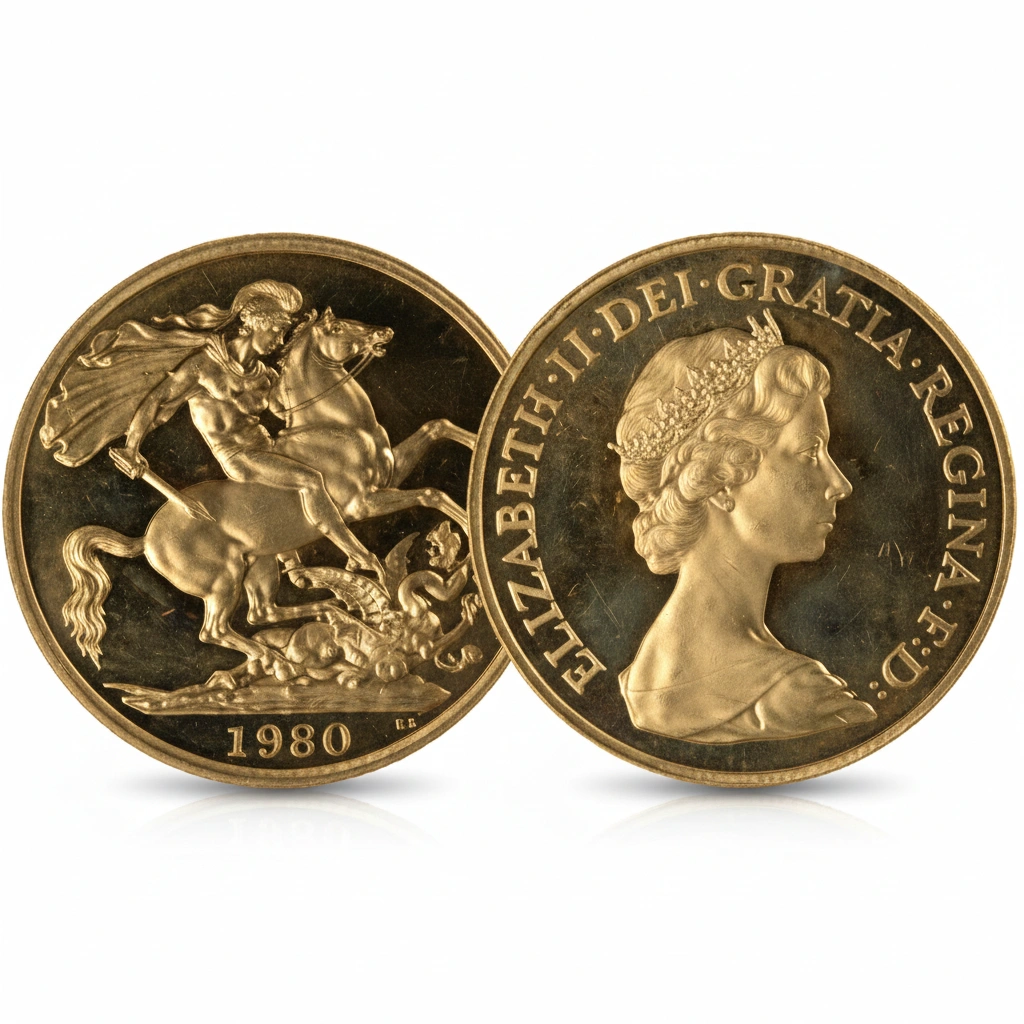
Special edition coins are premium-quality coins produced through a meticulous process designed to achieve an exceptionally refined appearance. Unlike standard coins that are struck for circulation, Special edition coins are made specifically for collectors and are often limited in number.
The production process involves using specially prepared dies and high-quality polished blanks. The result? A coin with mirror-like fields and frosted designs, standing in stark contrast to the typically matte or worn coins found in everyday circulation.
Key Features of Special edition coins
Special edition coins are distinguished by several characteristics that set them apart from regular circulation coins:
- High-Quality Finish: The key feature of Special edition coins is their flawless finish. They are struck multiple times to ensure every detail is sharp and well-defined.
- Mirror-Like Background: The background of the coin typically has a highly polished, reflective surface.
- Frosted Design: The central design or image of the coin usually has a matte or frosted texture, giving it a contrast to the shiny background.
- Limited Edition: Special edition coins are often produced in small numbers, making them rare and highly sought after.
- Packaging: Special edition coins are often sold in protective cases or special packaging, which helps maintain their pristine condition.
How Are Minted collector coins Made?
The process of making minted collector coins involves several meticulous steps:
- Polishing the Die: The die, which is used to strike the coin, is carefully polished to a mirror finish. This ensures that the design is transferred with high precision and detail.
- Selecting the Blanks: Blanks, or planchets, are chosen for their superior quality. These are polished to ensure they are smooth and free of defects.
- Double-Striking: Minted collector coins are struck multiple times to ensure that the design is well-defined and the details are sharp.
- Specialized Minting: The minting process is performed under carefully controlled conditions to ensure each coin maintains its quality. The coins are typically struck at a slower pace to preserve the sharpness of the design.
- Packaging: Once produced, the coins are usually placed in protective packaging, such as capsules or presentation boxes, to preserve their condition.
Why Are Minted collector coins Valuable?
Rarity and Limited Editions
One of the primary reasons minted collector coins hold such high value is their rarity. Minted collector coins are often produced in limited quantities, making them a scarce commodity. The lower the mintage, the more valuable the coin is likely to be. For example, official mints may release a limited number of minted collector coins each year, and once they are no longer available, they often become highly sought after by collectors.
Superior Craftsmanship and Quality
The quality of Numismatic coins
makes them much more desirable than their regular counterparts. The careful attention to detail during the minting process creates a coin that is visually stunning and almost flawless. These coins are designed to appeal to collectors who value perfection and craftsmanship.
Historical and Cultural Significance
Many numismatic coins are issued to commemorate significant historical events, figures, or anniversaries. For instance, official issuing authorities produce numismatic coins each year to commemorate important events, figures, or milestones. These coins often hold additional historical and cultural value, making them prized possessions for collectors.
Buy or Sell Gold & Silver Coins with Confidence
Work with a trusted Las Vegas coin dealer offering fair pricing, honest appraisals, and expert guidance every step of the way.
Types of Numismatic coins
Proof Silver Coins
Silver Numismatic coins are among the most popular and accessible types of Numismatic coins
. These coins are typically made from sterling silver (92.5% silver) and are often issued as part of a limited series. Collectors appreciate them not only for their rarity but also for the value of the precious metal they contain.
Example: Popular proof silver coins issued by national mints are highly sought after in the world of numismatics due to their refined finish, purity, and collectible appeal.
Proof Gold Coins
Gold numismatic coins are another popular category, often appealing to investors as well as collectors. These coins are made from gold, which gives them intrinsic value beyond their artistic appeal. Gold numismatic coins are often issued in limited editions and are particularly prized by those interested in bullion coins.
Example: Proof gold coins issued by recognized mints are celebrated for their refined designs and high levels of metal purity.
Proof Platinum and Other Metals
While silver and gold are the most common, there are also numismatic coins made from platinum, palladium, and other precious metals. These coins are rarer and tend to be even more valuable, both as collectors’ items and as precious metal investments.
How to Buy Proof-quality coins: What You Need to Know
Where to Buy Proof-quality coins
- Authorized Dealers and Mints: Always buy proof-quality coins from authorized dealers or directly from national mints to ensure authenticity. Many official mints offer online shops where collectors can purchase proof-quality coins directly.
- Auctions and Collectible Shows: Many rare proof-quality coins are sold at auctions or coin conventions, where collectors gather to buy, sell, and trade coins.
- Online Marketplaces: Trusted online marketplaces can be good places to find proof-quality coins, but it’s important to verify the reputation of the seller before making a purchase.
What to Look For When Buying
- Condition: Always inspect the condition of the coin. Proof coins should be in pristine condition, with no scratches, discoloration, or blemishes.
- Mintage Numbers: Check the mintage numbers to understand the rarity of the coin. A limited mintage typically leads to higher future value.
- Certification and Grading: Proof coins are often graded by professional third-party grading services to verify their authenticity and condition. A coin that is certified and graded will have a higher value.
Common Mistakes to Avoid When Buying Proof Coins
- Not Researching the Market: Failing to research mintage numbers, past auction prices, and the coin’s historical significance can lead to overpaying for a coin.
- Buying from Unverified Sources: Avoid buying proof coins from unreliable sources. Always check the credentials of the seller or the dealer.
- Ignoring Condition: Proof coins lose their value when they are damaged or improperly handled. Make sure you store them correctly to preserve their condition.
FAQ Section
1. What makes proof coins different from regular coins?
Proof coins are specially minted with high-quality finishes, unlike regular circulation coins, which are produced for everyday use.
2. Are proof coins a good investment?
Yes, proof coins can be a good investment due to their rarity, craftsmanship, and historical significance, often increasing in value over time.
3. How do I know if a proof coin is genuine?
To ensure a coin is genuine, buy from authorized dealers or certified platforms and look for verification from reputable third-party grading services.
4. Can I buy proof coins directly from the U.S. Mint?
Yes, many official mints sell proof coins directly through their online shops, offering a range of annual releases and special editions.
5. What is the difference between proof coins and uncirculated coins?
Proof coins are struck multiple times with polished dies to achieve a high-quality finish, while uncirculated coins are made for circulation and have a less refined appearance.
6. Are there proof coins made from metals other than gold and silver?
Yes, proof coins can also be made from platinum, palladium, and other precious metals, often in limited runs.
7. How should I store proof coins?
Proof coins should be stored in a protective capsule or a secure, climate-controlled environment to prevent damage or deterioration.
Conclusion: Should You Start Collecting Proof Coins?
Proof coins are more than just collectibles; they’re investments in history, craftsmanship, and rarity. By understanding their unique qualities, the production process, and the reasons why they hold such value, you can make smarter choices when adding proof coins to your collection.
Whether you’re a seasoned collector or just starting out, the world of proof coins offers a fascinating opportunity to own a meaningful piece of numismatic history. Take your time to learn, research, and carefully consider your purchases to ensure you’re building a valuable and meaningful collection.