Have you ever considered investing in precious metals like gold and silver, only to find yourself overwhelmed by the countless options and risks involved?
If so, you’re not alone. Many buyers—whether newcomers or seasoned investors—fall into traps that cost them significantly over time.
The allure of precious metals as a safe haven investment is strong, especially during economic uncertainty. However, the road to making wise, profitable purchases isn’t always straightforward. The market is riddled with scams, hidden fees, and overselling that can lead you to make costly mistakes.
In this article, we’ll walk you through the top bullion buying mistakes and provide you with expert insights on how to avoid them, so you can invest with confidence and maximize your returns.
1. Buying Without Thorough Research
Why It’s a Mistake:
Many buyers rush into precious metal purchases without understanding the market, the products, or even the fundamental concepts of bullion investment. This lack of knowledge can lead to purchasing coins or bars that are overpriced, difficult to sell, or even outright fraudulent.
How to Avoid It:
Before making any purchase, take the time to research both the precious metals market and the specific products you’re interested in. Understand factors such as:
- Market trends: Gold and silver prices fluctuate, and buying at the wrong time can lead to losses.
- Types of products: Learn the difference between bullion, numismatic coins, and collectibles. Bullion is typically the best choice for long-term investment.
- Reputable dealers: Always choose a trusted and well-reviewed dealer with a history of transparency and reliability.
Pro Tip: Use websites like Kitco, JM Bullion, and the U.S. Mint to track prices and market trends before buying.
2. Overpaying for Coins and Bars
Why It’s a Mistake:
One of the most common pitfalls is overpaying for products, especially when buying numismatic or collectible coins. These can carry premiums far above the actual metal content, often due to the coin’s rarity or historical significance, which may not translate into future value.
How to Avoid It:
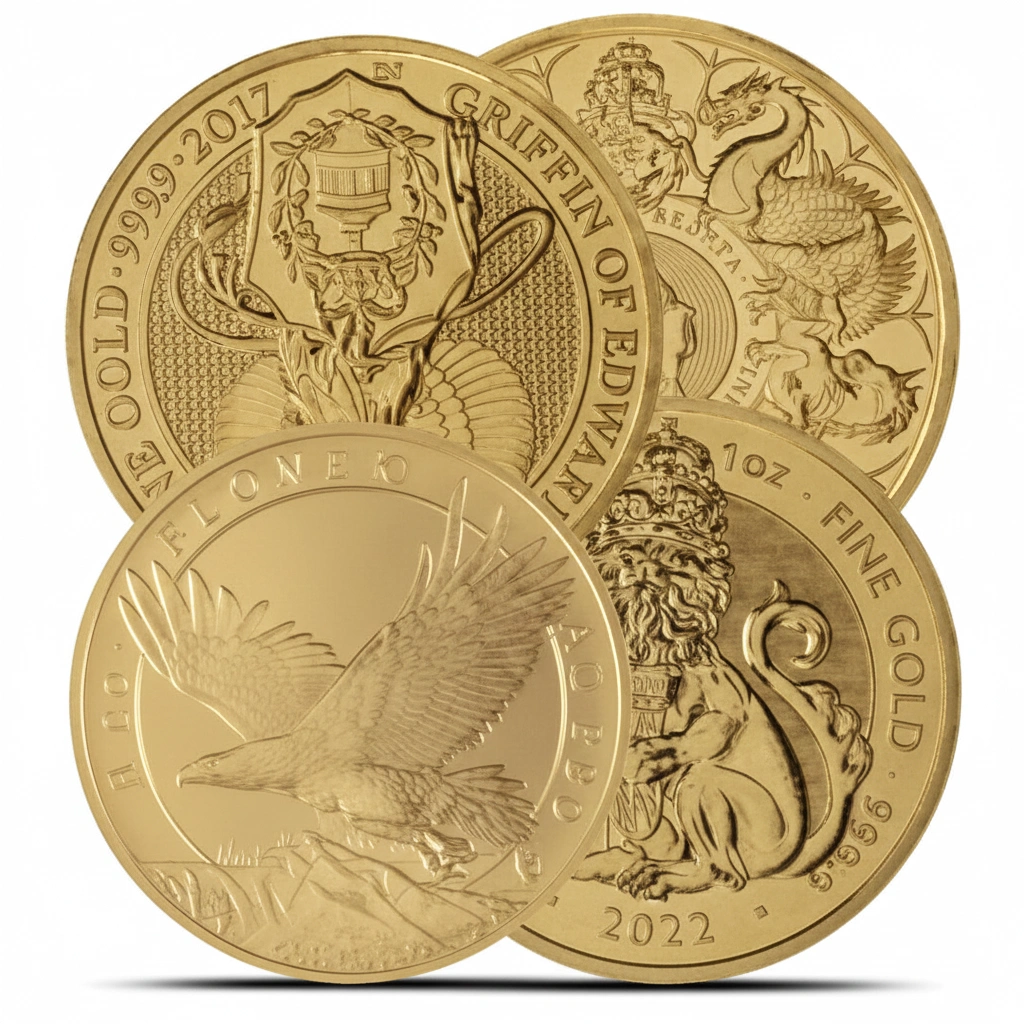
When investing in precious metals, focus on the melt value rather than the potential premium of a coin. Bullion bars and coins (such as American Gold Eagles or Canadian Maple Leafs) typically carry minimal premiums over the spot price of the metal.
Additionally, ensure you’re aware of the market conditions and price fluctuations. Just because a coin looks rare doesn’t mean it will appreciate in value—check its historical performance before making a purchase.
Pro Tip:
Invest in bullion coins or bars from trusted refiners, which typically have lower premiums and are easier to resell when needed.
3. Falling for Fake Precious Metal Offers
Why It’s a Mistake:
Counterfeit precious metals are unfortunately common in the market. Unscrupulous dealers may try to pass off fake gold or silver bars and coins as real, often offering them at a tempting price. These scams can cause you to lose a significant amount of money.
How to Avoid It:
To avoid falling victim to fake offers:
- Buy only from reputable dealers who offer certification of authenticity for each item.
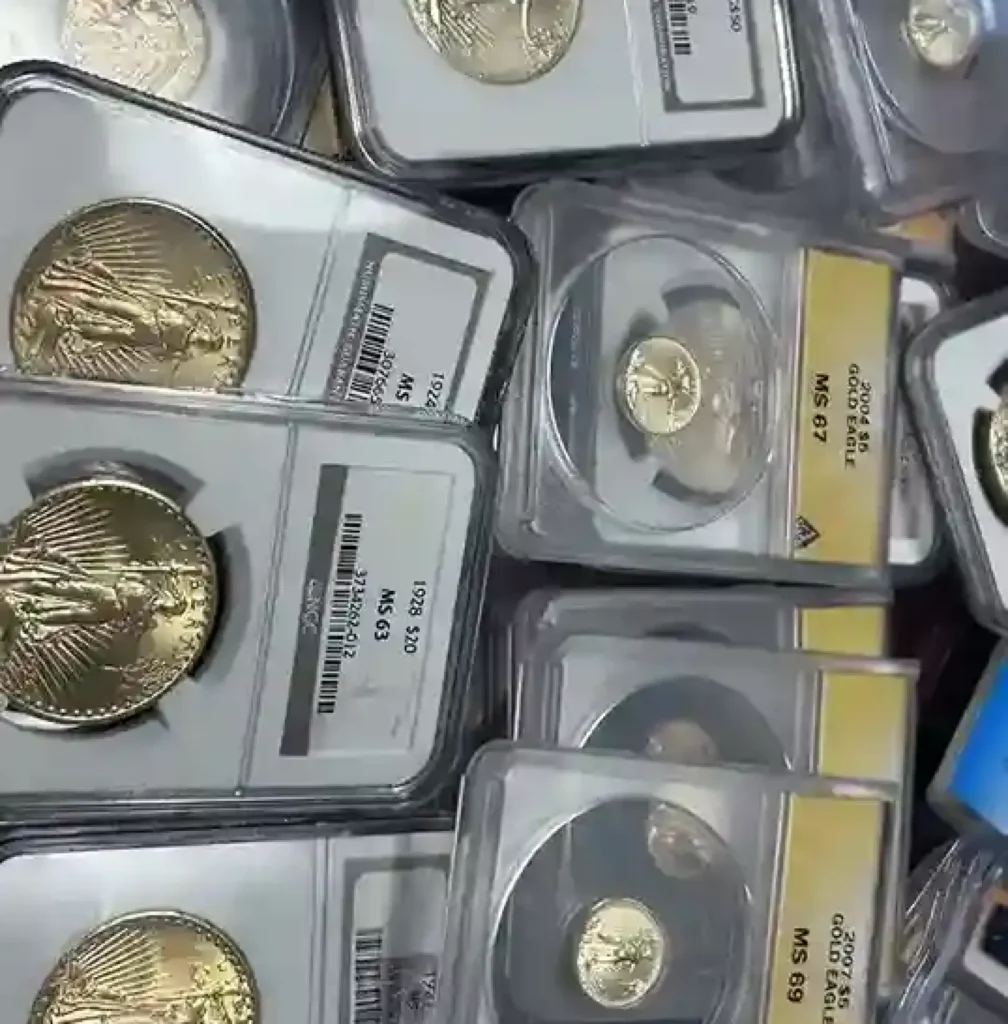
- Use third-party grading services like PCGS or NGC for coins to verify their authenticity.
- Request certificates of authenticity for all items, especially if the deal seems too good to be true.
Pro Tip:
If you can, invest in bullion products from established mints that have a strong reputation, like the U.S. Mint or the Royal Canadian Mint. These institutions offer coins with easily verifiable authenticity.
Buy or Sell Gold & Silver Coins with Confidence
Work with a trusted Las Vegas coin dealer offering fair pricing, honest appraisals, and expert guidance every step of the way.
4. Ignoring Storage and Security Costs
Why It’s a Mistake:
Precious metals require safe storage, and many new buyers overlook the associated costs. Storing bullion or rare coins in a home safe or safety deposit box can become a hassle, and insurance can add significant costs to your investment.
How to Avoid It:
Before buying precious metals, plan ahead for storage. Some options include:
- Safe deposit boxes at a bank.
- Private vaults that specialize in precious metal storage.
- Home safes (make sure it’s a high-quality safe that is both fireproof and secure).
Always ensure you’re budgeting for these ongoing costs when calculating your potential return on investment.
Pro Tip:
If you’re planning to store a significant amount of precious metals, consider using professional vaulting services, which also offer insurance coverage for your assets.
5. Lack of Diversification
Why It’s a Mistake:
Putting all of your wealth into a single type of precious metal, or even just one particular form of bullion, can lead to a lack of diversification in your portfolio. Precious metals, while considered a safe investment, are not immune to market volatility.
How to Avoid It:
Spread your investment across various forms of bullion, such as:
- Gold bars, coins, and ETFs
- Silver coins and bars
- Platinum or palladium coins and bars
Also, consider mixing your precious metal investments with other assets like stocks or bonds to hedge against inflation and market risk.
Pro Tip:
Diversification doesn’t just apply to different types of metals—consider varying your purchase method as well. Some buyers prefer physical ownership, while others invest in precious metal-backed exchange-traded funds (ETFs) or mining stocks.
6. Overlooking the Importance of Liquidity
Why It’s a Mistake:
Many buyers are lured by the appeal of buying rare coins or unique items but forget about liquidity—the ease of selling the metal in the future. If you invest in items that are difficult to sell or have a limited market, you may struggle to get your investment back when you need it most.
How to Avoid It:
When buying precious metals, focus on products that have broad appeal and can be sold easily. Stick to popular bullion coins and bars, which have a large, active market for resale. Avoid niche items unless you’re an expert or have specific knowledge in the area.
Pro Tip:
Always check the bid-ask spread and resale options for any items you’re considering. If the price between buying and selling is too wide, it could be a sign of lower liquidity.
7. Not Considering Taxes and Fees
Why It’s a Mistake:
Precious metal purchases are subject to various taxes, depending on your jurisdiction. In some cases, buyers may forget to account for sales tax, dealer premiums, or capital gains taxes when selling their metals in the future.
How to Avoid It:
Before buying, consult with a tax advisor to understand the potential tax implications of your purchase. Ensure that you’re aware of:
- Sales taxes that may apply when buying bullion or coins.
- Capital gains taxes on profits made from selling precious metals.
- Transaction fees from dealers or vaulting services.
Pro Tip:
Consider consulting with a financial advisor who specializes in precious metals to help you create a strategy that maximizes your return while minimizing tax liabilities.
FAQ Section
1. What are the most common bullion buying mistakes?
Some of the most common mistakes include overpaying for coins, buying from untrustworthy dealers, ignoring storage costs, and lacking diversification in your investment.
2. How can I avoid getting scammed when buying precious metals?
To avoid scams, buy only from reputable dealers, verify authenticity with third-party grading services, and ensure the products are certified.
3. Is it better to buy bullion coins or numismatic coins?
For most investors, bullion coins are the safer bet, as they have lower premiums and are easier to resell. Numismatic coins can be a good option if you’re an expert and looking for collectibles.
4. What are the hidden costs of buying precious metals?
Hidden costs include premiums over spot price, storage fees, insurance, and potential taxes like capital gains or sales tax.
5. How can I ensure the liquidity of my precious metal investments?
Stick to popular and widely recognized bullion products such as gold and silver coins or bars from established mints like the U.S. Mint or Royal Canadian Mint.
6. What tax implications should I consider when buying precious metals?
Precious metals can be subject to sales tax at the time of purchase and capital gains tax when sold. Consult with a tax advisor to understand your specific situation.
7. How can I find reputable precious metal dealers?
Look for dealers with positive reviews, certifications, and membership in trusted organizations like the American Numismatic Association (ANA).
Conclusion
Investing in precious metals like gold and silver can be an excellent way to diversify your portfolio and protect your wealth. However, making common buying mistakes—such as overpaying, buying from unreliable sources, or neglecting storage costs—can turn a promising investment into a financial headache.
By educating yourself, carefully selecting your purchases, and taking proactive steps to secure your metals, you can avoid these costly errors and invest wisely. Remember, a successful investment in precious metals requires a blend of research, caution, and strategic planning.
Start applying these insights today to make smarter bullion buying decisions, and protect your financial future.