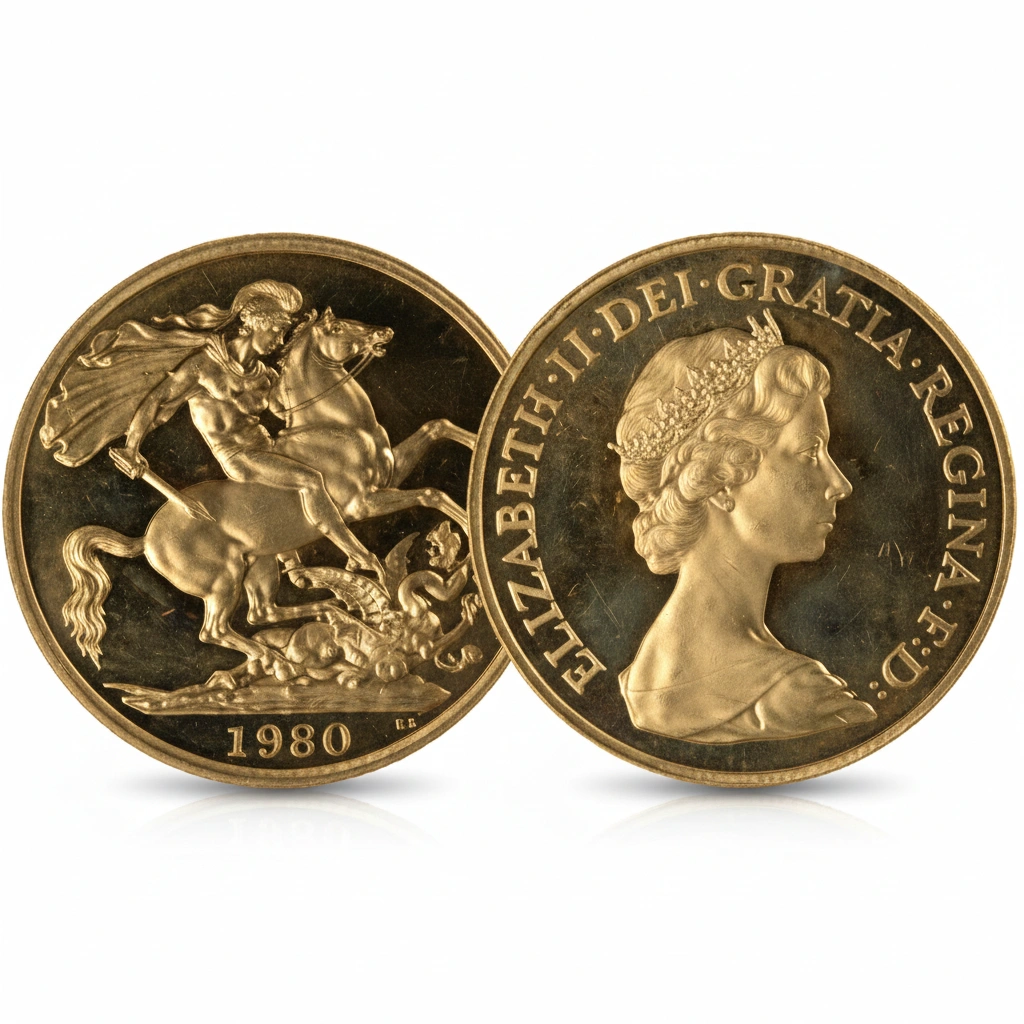
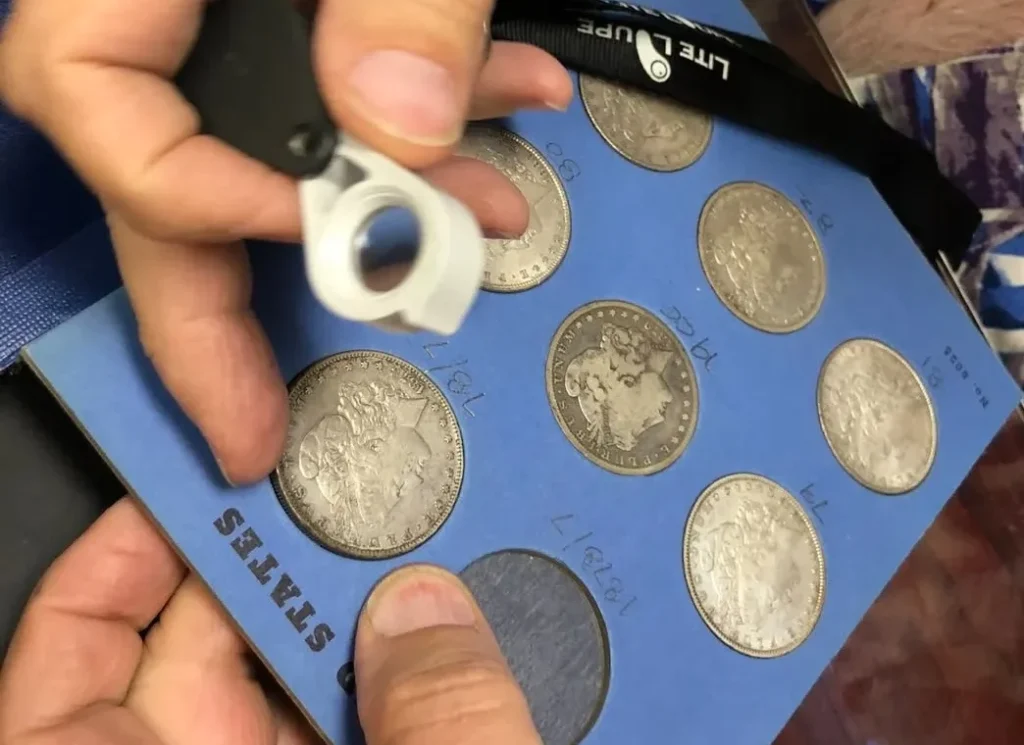
Have you ever wondered how gold and silver treasures hidden for centuries can shift the entire landscape of coin collecting?
From the legendary finds of ancient civilizations to more recent coin hoards uncovered beneath modern cities, historic bullion discoveries have always fascinated collectors and historians. Imagine the thrill of uncovering a precious metal treasure buried for centuries — it not only provides a window into the past but also significantly influences the market, numismatics, and historical research.
In this post, we’ll dive into some of the most influential bullion discoveries throughout history. We’ll explore how these findings changed the world of coin collecting and offer insight into what collectors can learn from these historic moments. By the end, you’ll understand why certain bullion finds are considered treasures not only for their material value but for their historical importance.
The Hoxne Hoard: A Fascinating Historic Bullion Discovery
The Hoxne Hoard, discovered in Suffolk, England, in 1992, is one of the largest and most significant historic bullion discoveries from the Roman era. Containing over 15,000 coins, jewelry, and silver items, it provides an incredible insight into the wealth, culture, and daily life of late Roman Britain. Such discoveries are valuable not just for their gold and silver, but for the historical stories they reveal.
Key Highlights of the Hoxne Hoard:
- Over 15,000 Roman coins dating from the 4th and 5th centuries A.D.
- Jewelry and silver items showing the artistry of the era.
- Insights into Roman Britain’s economy and wealth distribution.
- Demonstrates the scale and importance of hidden bullion caches in history.
1. What is a Historic Bullion Find and Why Does It Matter?
Before we dive into the discoveries themselves, it’s essential to define what we mean by an ancient treasure find. Bullion refers to gold, silver, or other precious metals in bulk form, often valued by weight. These numismatic treasures typically involve bullion hoards, hidden caches, or rare coins uncovered by accident, archaeological digs, or deliberate excavation.
These discoveries carry immense significance because they provide more than just a financial windfall — they offer a tangible connection to the past. Imagine holding a coin that was once used by an ancient emperor or a bullion bar that was lost during a shipwreck centuries ago. These pieces of history not only have intrinsic value but also tell us stories about the societies, economies, and cultures of their time.
Pro Tip:
When examining a bullion discovery, always research the historical context of the find. It can significantly influence the item’s value to collectors, as some items are worth more due to their cultural significance.
2. The Treasure of the Nuestra Señora de Atocha: A Shipwreck that Reshaped Treasure Hunting
One of the most iconic bullion finds in modern history came from the shipwreck of the Nuestra Señora de Atocha, a Spanish galleon that sank off the coast of Florida in 1622. In 1985, treasure hunter Mel Fisher’s team discovered over $400 million worth of gold, silver, and emeralds. This discovery is considered one of the most significant bullion finds of all time.
Why does this find matter? The sheer magnitude of the bullion hoard brought treasure hunting into the modern era, with advanced technology such as sonar and remotely operated vehicles now used to recover sunken precious metal caches. The discovery also sparked renewed interest in maritime archaeology and numismatics, particularly the study of colonial coinage treasures.
The Atocha find exemplifies how bullion discoveries don’t just impact collectors — they reshape entire industries. This treasure also demonstrated that large, significant bullion finds could still be made in the modern age, sparking a new wave of treasure hunters.
3. The 1933 Double Eagle: A Coin That Never Made It Into Circulation
One of the most famous and valuable coins in American history is the 1933 Double Eagle. Originally minted to commemorate the gold standard, only a small number of these coins were struck before President Franklin D. Roosevelt removed the U.S. from the gold standard. As a result, most of these coins were melted down, but a few managed to escape destruction.
In 2002, one of these coins was sold at auction for $7.6 million, making it the most expensive coin ever sold at the time. The 1933 Double Eagle is an exceptional example of how rarity and historical circumstances can drastically affect a bullion coin’s value.
Expert Insight:
Coins like the 1933 Double Eagle are highly sought after by collectors due to their fascinating backstory and rarity. If you own a piece with a unique historical context, it could potentially be more valuable than a similar item without such a story.
Buy or Sell Gold & Silver Coins with Confidence
Work with a trusted Las Vegas coin dealer offering fair pricing, honest appraisals, and expert guidance every step of the way.
4. The Anglo-Saxon Hoard: Unearthed in England, a Glimpse into Medieval Wealth
In 2009, a metal detectorist in Staffordshire, England, discovered the Staffordshire Hoard — an unparalleled collection of Anglo-Saxon gold and silver artifacts. Dating back to the 7th century, the hoard includes intricately designed sword fittings, crosses, and coins, and is considered the most significant archaeological find of its kind.
The Staffordshire Hoard is unique not only for its wealth but also for the insights it provides into Anglo-Saxon society. The treasure consists of military and religious items, suggesting a complex relationship between warfare and religion during the period. The discovery forever altered our understanding of early medieval Britain and reinforced the enduring value of gold and silver bullion in understanding the past.
5. The Hoxne Hoard: A Roman Treasure Found by Chance
In 1992, a metal detectorist in Suffolk, England, unearthed the Hoxne Hoard — one of the most significant Historic Bullion Discoveries in Britain. The treasure included more than 15,000 Roman coins, jewelry, and silver plate. Dating to around 400–450 A.D., the Hoxne Hoard provides critical evidence of the wealth and lifestyle of Roman Britain just before the empire’s collapse.
What makes the Hoxne Hoard so remarkable is the incredible detail it reveals about the Roman Empire’s wealth distribution. This ancient treasure hoard includes coins from emperors like Constantine the Great and Julian the Apostate, demonstrating the far reach of the empire. Such numismatic treasures are crucial for historians studying the economic landscape of the Roman Empire in its final years.
6. What Makes a Bullion Find So Valuable?
While the metal itself has intrinsic value, what truly makes bullion finds valuable are their rarity, historical context, and the story behind their discovery. For example, the Atocha’s immense treasure is valuable not only because of its gold and silver content but because it tells the story of Spain’s empire and its struggles with piracy. Similarly, the Staffordshire Hoard is priceless because it provides insights into early medieval British culture.
Pro Tip:
If you’re looking to buy bullion or coins for collection purposes, pay close attention to the rarity of the find, the historical context, and how well-documented the item is. Provenance (the history of ownership) can dramatically increase the value of a piece.
7. The Future of Bullion Discoveries: What’s Next for Collectors?
As technology advances, so too does the potential for Historic Bullion Discoveries. From using underwater drones to exploring hidden caves, the methods for locating lost treasures are becoming more sophisticated. However, the question remains: what new Historic Bullion Discoveries will reshape the world of collecting in the years to come?
The rise of digital tools like blockchain could also play a role in verifying the authenticity and provenance of bullion finds, ensuring that they hold up in a marketplace that is increasingly driven by transparency.
FAQ Section
1. What is a bullion find?
A bullion find refers to a discovery of precious metal such as gold or silver, often in the form of coins, bars, or jewelry, that holds historical or monetary value.
2. How do rare bullion finds affect the market?
Rare bullion finds can significantly increase the market value of similar items, especially when they offer new historical insights or have notable provenance.
3. What was the most valuable bullion find ever discovered?
The Nuestra Señora de Atocha shipwreck is one of the most valuable bullion discoveries, with a treasure worth over $400 million found in 1985.
4. How can I determine the value of a bullion find?
To determine the value of a bullion find, consider factors like rarity, historical context, condition, and provenance. The more unique the item and the more documented its history, the higher its value.
5. What is the importance of provenance in bullion collection?
Provenance, or the history of an item’s ownership, can greatly increase its value by providing credibility and verifying its authenticity. Collectors value well-documented pieces because they can be traced back to significant historical events or figures.
Conclusion
Historic Bullion Discoveries have consistently captured the imagination of collectors, historians, and treasure hunters alike. From shipwrecks like the Atocha to hoards such as the Hoxne find, each bullion cache not only brings immense material value but also offers new insights into history, culture, and the world of numismatic treasures.
For collectors, these historic discoveries underscore the importance of looking beyond the price tag and delving into the rich history and story behind each piece. As technology evolves, so too will our ability to uncover these lost treasures — and with that, the world of bullion collecting will continue to grow, offering new opportunities for discovery.