Gold Premiums Are Rising in 2026
Just a few years ago, many investors could acquire bullion with relatively modest premiums. Fast forward to today, and buyers in markets like Las Vegas are seeing noticeably higher markups—even when the underlying gold price hasn’t surged at the same pace. That disconnect is raising questions.
Here’s the reality: gold premiums 2026 are being driven by a complex mix of supply chain disruptions, retail demand spikes, refining bottlenecks, and regulatory shifts. If you don’t understand these forces, you risk overpaying—or worse, missing strategic buying opportunities.
In this guide, you’ll learn exactly why premiums are climbing, how bullion pricing really works, and what smart investors are doing right now to stay ahead.
What exactly are gold premiums and why do they matter in 2026?
Gold premiums refer to the additional cost you pay above the spot price of gold when purchasing physical bullion. This includes manufacturing, distribution, dealer margins, and market demand.
In 2026, gold premiums have become a critical factor in investment decisions—not just a minor add-on.
Why premiums matter more now than ever
In previous years, premiums were relatively stable. Today, they fluctuate dramatically depending on:
- Product type (coins vs bars)
- Dealer inventory levels
- Regional demand (including high-traffic markets like Las Vegas)
- Economic uncertainty
For example, a 1 oz gold coin might carry a 3–5% premium in stable times. In 2026, that same coin may carry a 7–12% premium depending on demand surges.
Real-world example
During early 2026, U.S. Mint coin shortages caused American Eagle premiums to spike nearly 15% above spot. Investors who didn’t understand bullion pricing ended up paying significantly more than necessary.
Key takeaway
If you’re only watching spot price, you’re missing half the equation. Rising gold premiums are now just as important as the metal itself.
Why are gold premiums rising so sharply in 2026?
The surge in gold premiums 2026 is not random—it’s the result of multiple converging forces.
1. Supply chain disruptions
Global logistics remain strained post-2024, with refining and shipping delays impacting bullion availability. Limited supply naturally drives premiums higher.
According to the World Gold Council, refining capacity constraints reduced global bullion output efficiency by nearly 8% in 2025.
2. Increased retail demand
Economic uncertainty, inflation concerns, and geopolitical tensions are pushing more retail investors into gold.
When demand spikes faster than supply, premiums surge.
3. Mint production bottlenecks
Government mints, including the U.S. Mint, have struggled to keep up with demand. This creates scarcity especially for popular coins.
4. Dealer inventory risk
Dealers now factor volatility into pricing. Holding inventory is riskier, so premiums are adjusted upward to compensate.
Expert insight
What I’ve learned over the years is simple: premiums spike when fear enters the market faster than supply can respond. 2026 is a textbook example of this dynamic.
How does bullion pricing actually work behind the scenes?
Understanding bullion pricing is the key to navigating rising gold premiums effectively.
The three core components of pricing
- Spot price
This is the live market price of gold based on futures trading. - Premium
This includes:
- Fabrication costs
- Transportation
- Dealer margin
- Market demand pressure
- Final retail price
Spot price + premium = what you pay
Example breakdown
If gold spot is $2,400:
- A 10% premium adds $240
- Final price: $2,640
That premium difference can significantly impact your returns.
Hidden factors affecting premiums
- Coin popularity (American Eagles vs generic bars)
- Market panic buying
- Regional tax considerations (especially relevant in Nevada regulations)
Pro tip
Always compare premiums across multiple dealers. In cities like Las Vegas, pricing can vary significantly between shops due to tourist demand and inventory turnover.
Are rising gold premiums a sign of a market bubble?
This is one of the most common concerns in 2026—and a valid one.
Short answer: not necessarily
Rising gold premiums don’t always indicate a bubble. They often reflect temporary supply-demand imbalances.
When premiums signal risk
Be cautious if:
- Premiums exceed 15–20% consistently
- Demand is driven purely by panic buying
- Supply normalizes but premiums remain elevated
Case study: COVID-era gold rush
In 2020, gold premiums surged due to supply disruptions. Within months, they normalized as production recovered.
We’re seeing a similar pattern in 2026—but with additional structural factors like geopolitical instability.
Key distinction
- Spot price bubble = asset overvaluation
- Premium spike = market friction
Understanding this difference helps you avoid emotional decisions.
How do local factors in Las Vegas impact gold premiums?
Las Vegas presents a unique micro-market for gold buyers.
Why premiums are often higher locally
- Tourist-driven demand
High foot traffic means dealers can charge higher premiums. - Limited inventory turnover
Some shops rely on walk-in buyers rather than bulk transactions. - Sales tax considerations
Nevada has specific tax rules on precious metals purchases depending on transaction size.
Example
A visitor buying gold on the Strip may pay 2–4% more than someone purchasing from a bulk dealer online.
Pro tip for Las Vegas buyers
- Look for off-Strip dealers with strong reputations
- Ask about bulk discounts
- Compare online vs in-store pricing before purchasing
Expert insight
I’ve seen investors overpay simply due to location convenience. In a premium-heavy environment like 2026, where you buy matters just as much as what you buy.
Buy or Sell Gold & Silver Coins with Confidence
Work with a trusted Las Vegas coin dealer offering fair pricing, honest appraisals, and expert guidance every step of the way.
What types of gold products have the highest premiums in 2026?
Not all gold is priced equally—and in 2026, the gap is widening.
High-premium products
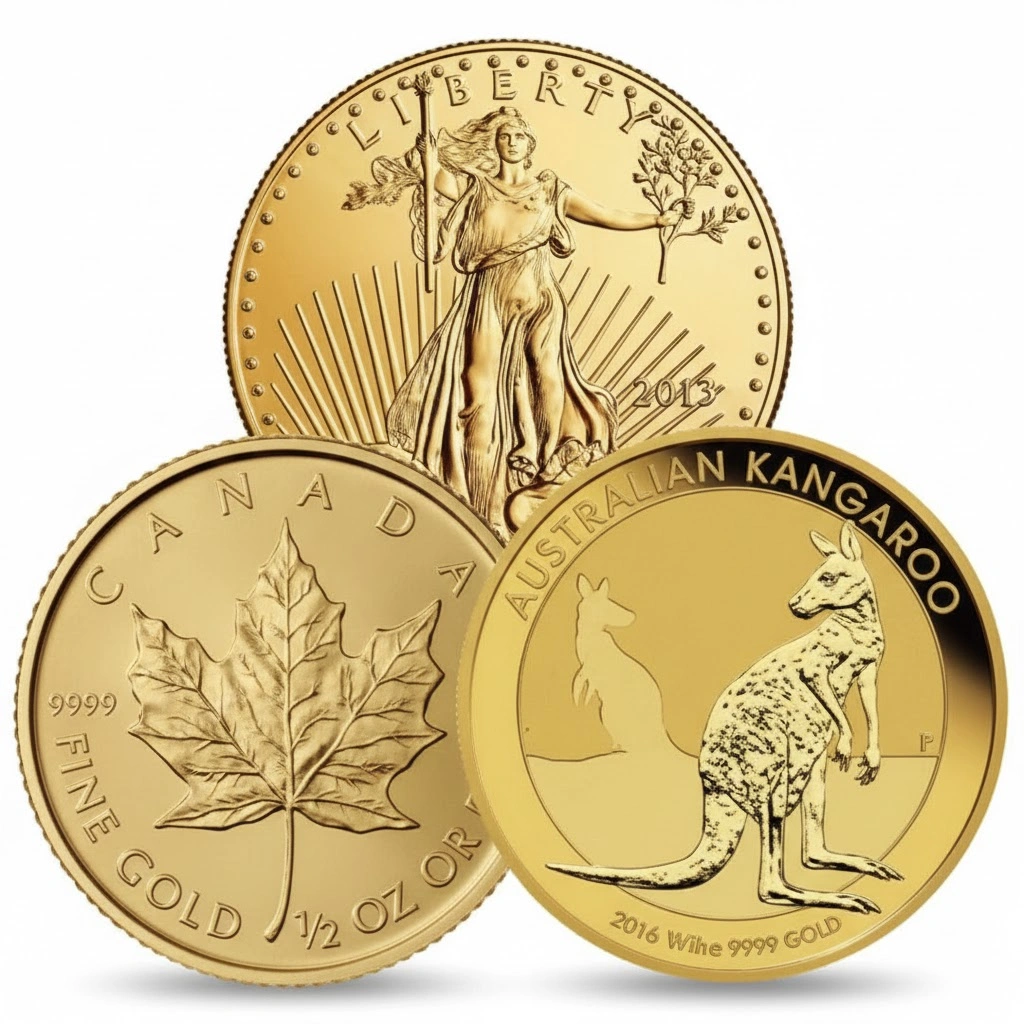
- Government-minted coins (American Eagles, Canadian Maple Leafs)
- Limited edition or collectible coins
- Small denomination bars (1g, 5g)
These products carry higher premiums due to branding, demand, and production costs.
Lower-premium options
- Larger gold bars (1 oz, 10 oz)
- Generic bullion rounds
- Secondary market products
Comparison checklist
High Premium vs Low Premium:
- Liquidity: High vs Moderate
- Cost efficiency: Lower vs Higher
- Collectibility: High vs Low
- Investment efficiency: Lower vs Higher
Real-world example
In 2026:
- 1 oz gold coin premium: 8–12%
- 10 oz bar premium: 3–5%
That difference adds up quickly for larger investments.
How can you minimize the impact of rising gold premiums?
You can’t eliminate premiums—but you can control how much you pay.
Strategy 1: Buy larger units
Bigger bars generally have lower premiums per ounce.
Strategy 2: Avoid panic buying
Premiums spike during market fear. Buying during calmer periods reduces costs.
Strategy 3: Compare multiple dealers
Never buy from the first seller. Pricing can vary widely—even within the same city.
Strategy 4: Consider secondary markets
Pre-owned bullion often carries lower premiums and identical gold content.
Strategy 5: Monitor premium trends
Track not just spot price, but premium percentages over time.
Pro tip
Think like a wholesaler, not a retail buyer. The more strategic your approach, the less you’ll feel the impact of rising gold premiums.
What should investors expect for gold premiums beyond 2026?
Looking ahead, several trends will shape bullion pricing.
1. Continued volatility
Premiums are likely to remain unstable due to global uncertainty.
2. Increased digital gold adoption
More investors are turning to digital or paper gold alternatives to avoid premiums.
3. Supply chain normalization (long-term)
Over time, refining and minting capacity may stabilize—but not immediately.
4. Regulatory influence
Changes in taxation or import/export rules could impact premiums, especially in U.S. markets like Nevada.
Expert prediction
Premiums won’t disappear—but smarter investors will adapt faster than the market.
Sell Gold and Silver Coins to DEIGOLDANDSILVERCOINS
If you are considering selling Gold and Silver coins, DEIGOLDANDSILVERCOINS is here to help. Our experienced numismatists provide confidential, same-day appraisals and competitive payouts. You can contact us by phone, live chat, or email for direct assistance.
Customer Reviews
At DEIGOLDANDSILVERCOINS, customer satisfaction is our top priority. Our reputation is built on trust, discretion, and fair dealing. Read our client testimonials to see how we consistently deliver excellence.
We welcome your feedback and are committed to continually improving your selling experience.
Conclusion
Gold premiums 2026 are rising for clear, structural reasons—not random market noise. Supply constraints, demand surges, and logistical challenges are all pushing bullion pricing higher.
But here’s the opportunity: once you understand how premiums work, you gain a strategic edge.
Instead of overpaying, you can:
- Choose lower-premium products
- Time your purchases better
- Compare dealers intelligently
The next step is simple: start tracking both spot prices and premiums before your next purchase. That single habit can dramatically improve your investment outcomes.
FAQ Section
Why are gold premiums so high in 2026 compared to previous years?
Gold premiums 2026 are higher due to supply chain issues, increased investor demand, and mint production limits. These factors create a gap between spot price and retail pricing.
Do rising gold premiums mean gold is overpriced?
Not necessarily. Rising gold premiums reflect distribution and demand pressures, not the intrinsic value of gold itself.
How can I avoid overpaying for bullion pricing?
Compare multiple dealers, buy larger bars, and avoid panic buying during market spikes. Monitoring premium trends is essential.
Are gold coins or bars better during rising gold premiums?
Bars typically offer lower premiums, making them more cost-efficient. Coins offer better liquidity but come at a higher cost.
Will gold premiums go down in the future?
They may stabilize if supply chains improve, but ongoing global uncertainty could keep premiums elevated.
Is buying gold in Las Vegas more expensive?
Yes, in many cases. Tourist demand and local market dynamics can increase premiums compared to online or wholesale dealers.
What is a good premium percentage in 2026?
A reasonable premium depends on the product, but generally:
- Coins: 6–10%
- Bars: 3–6%
Anything significantly above that should be carefully evaluated.