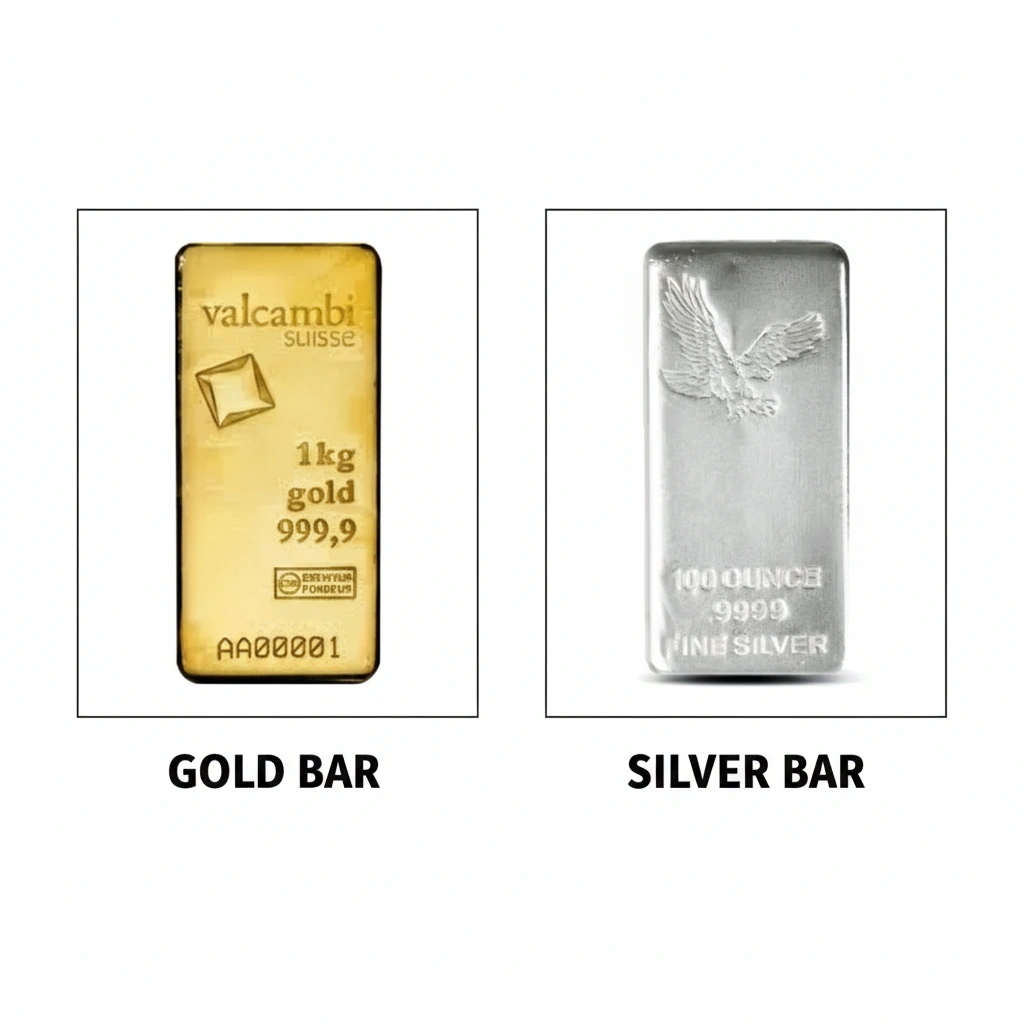
Whether you’ve inherited a jar of old dimes or you’re liquidating part of a bullion stack, knowing how to sell silver coins for cash without leaving money on the table takes a little preparation. Silver isn’t priced the same way across every coin type, and walking in unprepared is the most common reason sellers accept less than their coins are worth. This guide walks through how silver coins are actually valued, how to sort your collection before you go, and how to find reliable silver coin buyers near me — or wherever you happen to be selling.
What Determines How Much Cash You’ll Get
Before you sell a single coin, it helps to understand that “silver coins” isn’t one category — it’s several, and each is priced differently:
- Silver weight and purity — how much actual silver content the coin contains, based on its type and condition
- Current spot price — the live market price for silver per troy ounce, which serves as the baseline for bullion and junk silver
- Numismatic value — collector demand for rare dates, low mintages, or exceptional condition, which can push a coin’s price well above its metal content
- Grade and certification — whether the coin has been professionally graded by NGC or PCGS, which removes guesswork for the buyer
- Dealer margin — every buyer needs a spread between what they pay you and what they can resell the coin for
Knowing which of these applies to your coins before you sell is the single biggest factor in getting a fair offer. Two sellers can walk in on the same day, with the same spot price on the board, and walk out with very different percentages of that value simply because one brought a sorted, well-understood collection and the other brought an unsorted coffee can.
It’s also worth understanding that spot price itself is a wholesale benchmark, not a retail transaction price. When a dealer buys your coins, they’re pricing in the cost of testing, verification, and the risk of holding inventory before resale — which is why even a plain bullion coin won’t fetch exactly the spot number quoted online.
Sort Your Silver Before You Sell
Different categories of silver coins are priced using completely different methods. Sorting your collection first makes the appraisal faster and helps you spot which pieces deserve extra attention.
Category | How It’s Priced | Example |
Bullion coins | Spot price plus a small premium based on liquidity | American Silver Eagle |
Junk silver (pre-1965) | Melt value based on 90%, 40%, or 35% silver content per face-value dollar | Pre-1965 quarters, dimes |
Numismatic coins | Collector demand, rarity, and grade — can exceed melt value significantly | Key-date Morgan Dollar |
Sterling silverware/jewelry | Fine-silver content (92.5% purity) minus refining costs | Sterling flatware sets |
American Silver Eagles, for example, contain exactly one troy ounce of .999 fine silver and are among the most liquid bullion coins in the country, so they typically trade close to spot price. A pre-1965 90% silver quarter, by contrast, is priced off its silver weight relative to face value — roughly a fixed, calculable fraction of an ounce per dollar of face value — which most buyers can estimate on the spot using current silver prices.
Numismatic value is where the biggest swings happen. A common-date Morgan Silver Dollar in worn condition might sell close to its silver melt value, while a key-date Morgan in uncirculated condition graded MS-63 or higher by NGC or PCGS can sell for many times that amount, driven entirely by rarity and collector demand rather than silver content. This is exactly why sorting matters: pricing a key-date coin as if it were common melt-value silver is the fastest way to leave real money on the table.
How to Estimate Your Silver’s Value Before You Go
You don’t need to be an expert to walk in with realistic expectations. A quick, rough estimate protects you from both underselling and expecting more than a coin is actually worth:
- Check the live spot price for silver from a source like Kitco or COMEX shortly before you go.
- Identify your coin type — bullion, junk silver, or potential numismatic value — since each is priced differently.
- Calculate melt value for bullion and junk silver using the coin’s known silver content.
- Flag anything that looks unusual — an old date, low mintage, or coin in exceptional condition — for a closer look by a numismatist rather than assuming it’s just melt value.
- Separate categories into different groups so the appraisal moves quickly and each type gets priced correctly.
Finding Reputable Silver Coin Buyers Near Me
Searching “silver coin buyers near me” turns up a mix of pawn shops, coin shops, jewelry stores, and mail-in bullion dealers — and not all of them are equipped to price numismatic coins accurately. A few things separate a trustworthy buyer from one that will lowball you:
- Industry certifications, such as memberships or affiliations tied to NGC, PCGS, or other recognized grading services, signal a buyer who understands numismatic value, not just melt value.
- Transparent pricing, meaning the dealer explains how they calculated your offer rather than quoting a flat number with no breakdown.
- A physical location and verifiable reputation, including reviews and a track record in your area, which matters more for larger or more valuable transactions.
- Willingness to appraise before you commit, since a reputable buyer won’t pressure you to sell on the spot.
- Experience across all silver categories, not just bullion, so a dealer can correctly identify when a coin in your collection is worth more than its silver content alone.
Local Coin Shop vs. Online Buyer vs. Pawn Shop
Where you sell affects both your payout and how quickly you get paid.
Seller Type | Typical Payout | Speed | Best For |
Local coin/bullion dealer | Closest to fair market value, especially for numismatic coins | Same-day, in person | Mixed collections, higher-value or certified coins |
Online bullion buyer | Competitive for bulk bullion, less so for rare coins | Days, after shipping and verification | Large bullion-only quantities |
Pawn shop | Often below market value | Immediate | Small, urgent transactions only |
A local dealer with numismatic expertise is generally the strongest option when your collection includes anything beyond plain bullion, since an online buyer working off a standard price sheet or a pawn shop pricing by weight alone can easily miss a coin’s collector value. Getting more than one appraisal before committing — especially for larger or mixed collections — is one of the simplest ways to confirm you’re seeing the true fair-market range rather than a single dealer’s first offer.
What to Bring to Get the Most Cash
Preparation directly affects your payout. Bring the following to your appointment:
- Any certification paperwork, including NGC or PCGS grading slabs
- Original purchase receipts, if available
- Government-issued ID, since reputable dealers are required to verify seller identity
- Coins sorted by category (bullion, junk silver, numismatic, sterling)
- A rough estimate of spot-based value, so you can compare it against the offer
Red Flags to Avoid When Selling
Watch for these warning signs, which usually indicate you won’t get a fair price:
- A buyer who won’t explain how they arrived at their offer
- Pressure to sell immediately without time to compare
- Offers based only on weight, with no distinction between bullion, junk silver, and numismatic pieces
- No physical address or verifiable business history
- Reluctance to let you get a second opinion before committing
Timing Your Sale
Silver prices move throughout the day and across longer market cycles, so timing has some effect on your payout — though it matters far less than sorting and appraisal accuracy for most sellers. Checking spot price before you go, rather than relying on a number from a few days earlier, ensures you’re comparing offers against an accurate baseline. If you’re selling a larger holding, spreading the sale across more than one visit can also help you avoid pricing everything at a single moment’s market swing.
For sellers in a market like Las Vegas, local demand can also shift with tourism and convention traffic, which occasionally affects how competitively dealers are pricing on a given week. None of this means you need to time the market perfectly — it simply means checking current conditions before you commit is worth the five minutes it takes.
Conclusion
Getting the most cash for your silver coins comes down to preparation: know what type of silver you’re holding, understand roughly what it’s worth before you walk in, and work with a buyer who explains their pricing rather than just naming a number. Whether you’re selling a handful of junk silver coins or a collection with real numismatic value, DEI Gold and Silver Coins offers certified, transparent appraisals backed by over 50 years of combined numismatic experience.
Frequently Asked Questions
Sort your coins by category first — bullion, junk silver, and numismatic pieces are priced differently — and check the live spot price before your appointment. Working with a dealer who explains their pricing method, rather than quoting a flat number, is the best way to confirm you’re getting a fair offer.
Look for dealers with numismatic certifications (NGC, PCGS affiliations), a physical location, and verifiable reviews. Avoid buyers who price everything by weight alone, since that approach misses any collector value your coins may carry beyond their silver content.
Yes. Pre-1965 90% silver coins are worth significantly more than their face value because of their silver content, which is calculated based on current spot price. A dealer will price these using melt value rather than the coin’s stamped denomination.
Only if you suspect genuine numismatic value — rare dates, low mintages, or exceptional condition. Grading costs money and time, so it’s not worth it for common bullion or junk silver, but it can meaningfully increase the payout on a coin with real collector demand.
In-person selling to a reputable local dealer generally gets you a more accurate price, especially for mixed collections, since a dealer can physically inspect and grade each piece. Online buyers can work well for large, uniform bullion holdings where shipping and verification delays are less of a concern.