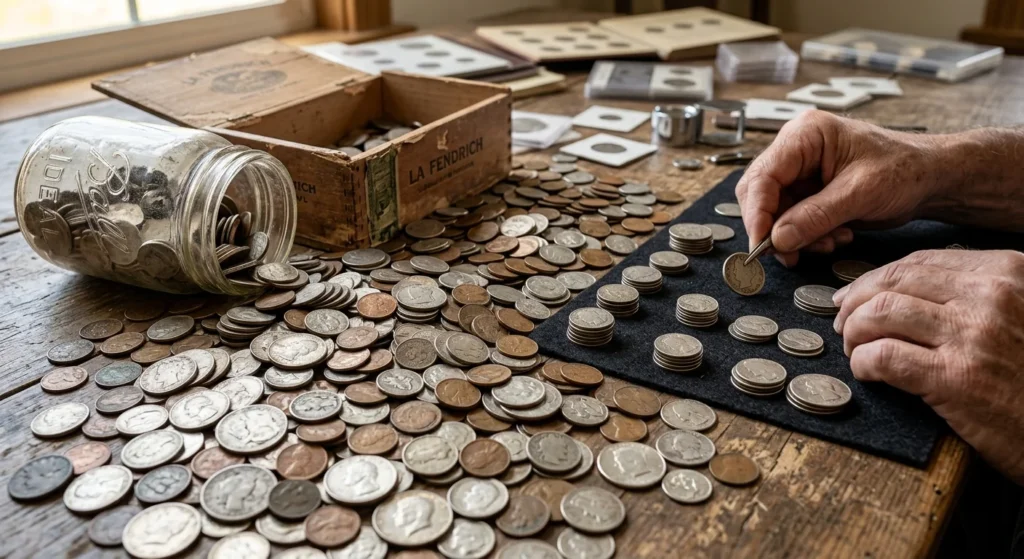
Sorting inherited coin collection contents is one of those tasks that sounds simple until you’re actually staring at a jar, a cigar box, or a dresser drawer full of coins that belonged to a parent or grandparent. Some are clearly old. Some look like ordinary pocket change. None of them come with a note explaining what’s actually worth something. Before you sell anything, or assume it’s all just loose change, working through a methodical sort can mean the difference between an accurate offer and leaving real value on the table. Here’s a practical, Las Vegas collector’s checklist for getting that jar organized before you ever walk into a coin shop.
Why Sorting Matters Before You Sell Anything
It’s tempting to just dump everything into a bag and take it to the first dealer you find. But an unsorted jumble of coins makes it harder for anyone — including an experienced dealer — to give you an accurate, itemized evaluation on the spot. Worse, it’s easy for a genuinely valuable coin to get overlooked entirely when it’s mixed in with hundreds of ordinary ones.
This inherited coins checklist exists to slow the process down just enough that nothing gets missed. Sorting isn’t about becoming an expert numismatist overnight. It’s about separating the obviously ordinary from the potentially interesting, so that when you do get a professional evaluation, you and the dealer are both working from a clearer starting point.
Step One: Separate by Country and Era
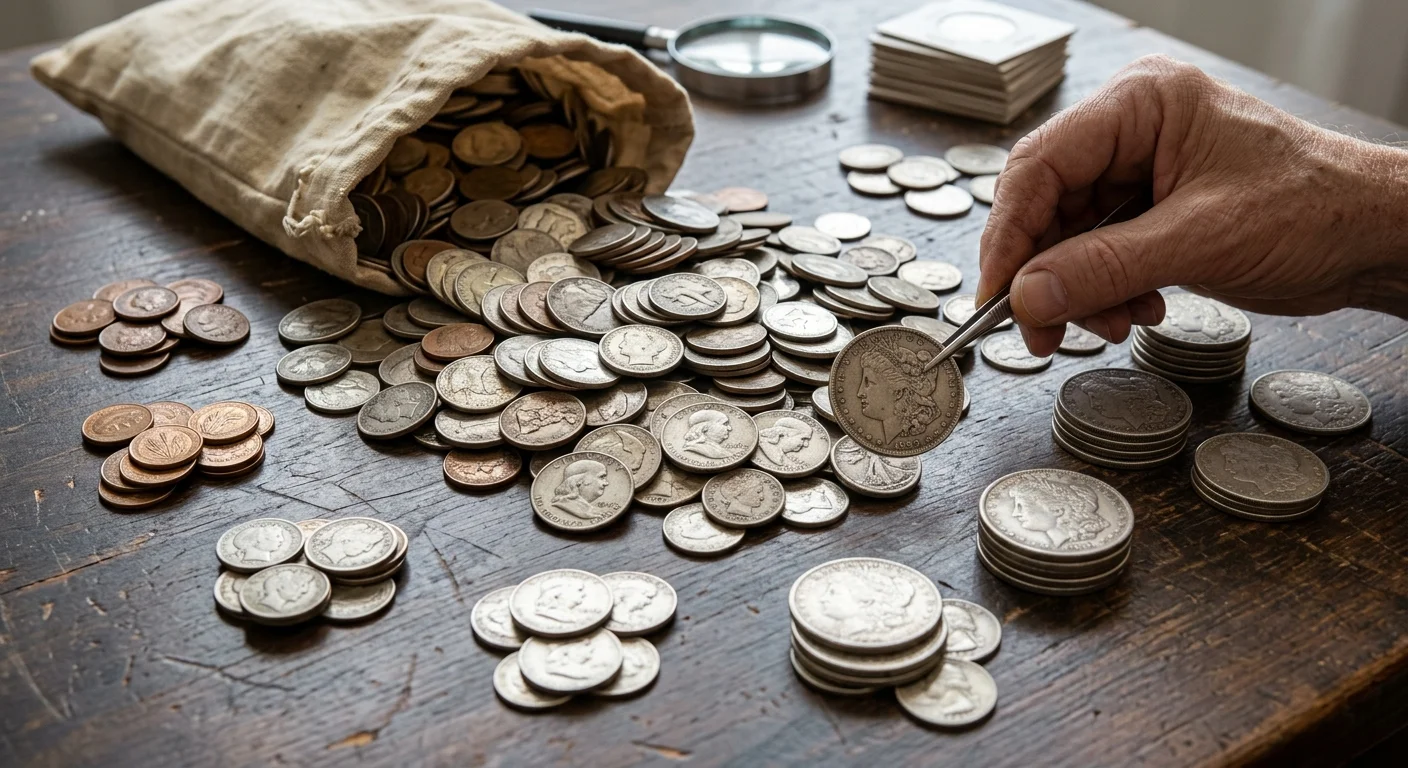
Start broad. Pull out anything that clearly isn’t U.S. currency — foreign coins, tokens, and anything with writing you don’t recognize. Set those aside in their own group rather than trying to evaluate them alongside U.S. coins, since foreign and world coins are assessed differently and sometimes carry surprising collector value of their own.
Within the U.S. coins, do a rough separation by era: anything that looks clearly modern (recent decades, common designs you’d recognize from everyday change) versus anything that looks older — different designs, different metal color, worn dates, or coins that simply feel different in weight or texture. You don’t need to identify exact dates yet. You’re just building two piles: “probably ordinary” and “worth a closer look.”
Step Two: Check for Silver Content
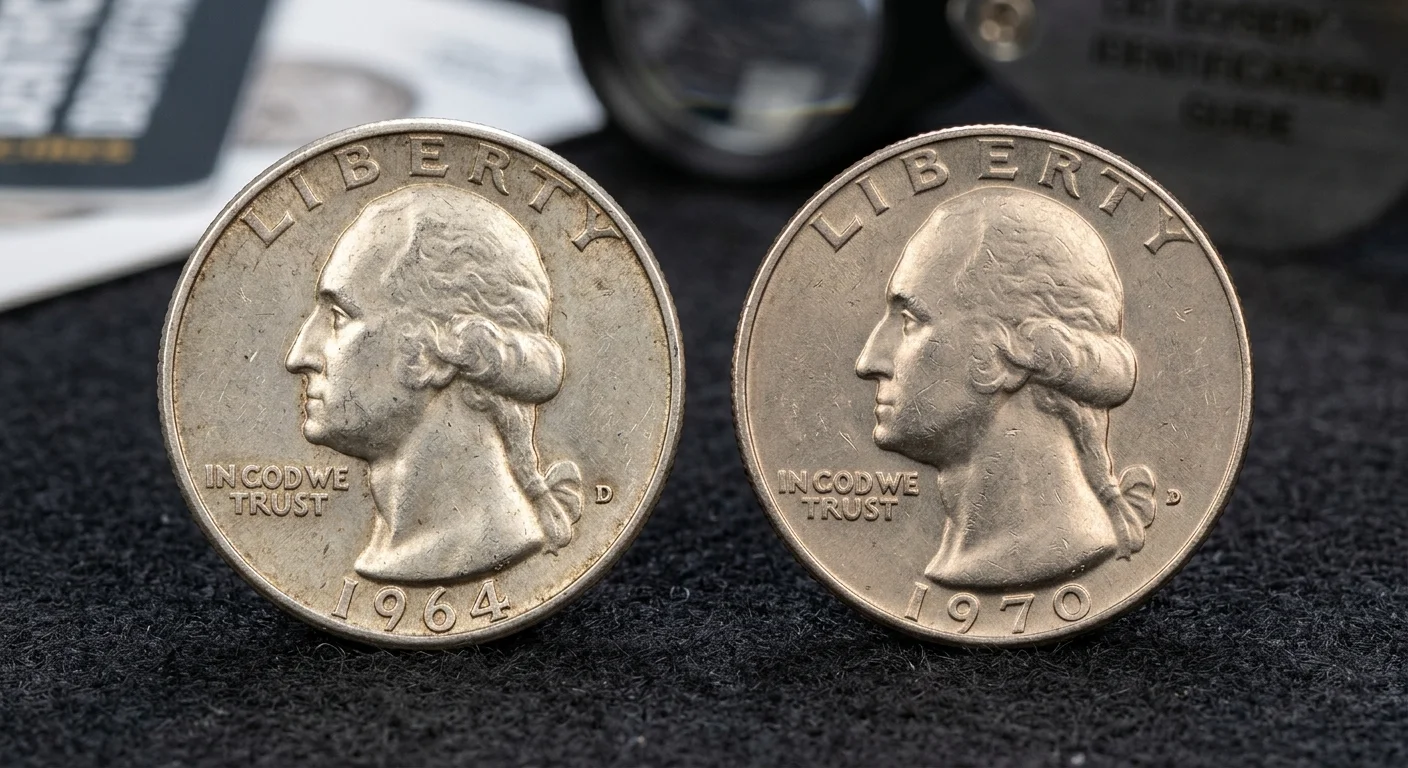
One of the most consequential things you can check yourself, without any special equipment, is whether older U.S. coins in your “closer look” pile are silver. U.S. dimes, quarters, and half dollars minted in 1964 and earlier were struck in 90% silver, and half dollars from 1965 through 1970 contain 40% silver. Coins from 1965 onward, for those same denominations, switched to a copper-nickel composition with no silver content at all.
A simple way to start narrowing this down is checking the date on each coin. Anything dated 1964 or earlier in dimes, quarters, or standard half dollars is worth setting aside as a likely silver coin. This single step can meaningfully change how a handful of ordinary-looking coins should be valued, since silver content adds real, verifiable bullion value on top of any face value.
Step Three: Look for Anything That Doesn’t Match the Pattern
As you work through the “closer look” pile, watch for a few specific things that can signal a coin is worth individual attention rather than being lumped in with the rest:
- Unusual dates or low mintage years. Some years within common series were struck in far smaller numbers than others, which can make an otherwise ordinary-looking coin meaningfully scarcer.
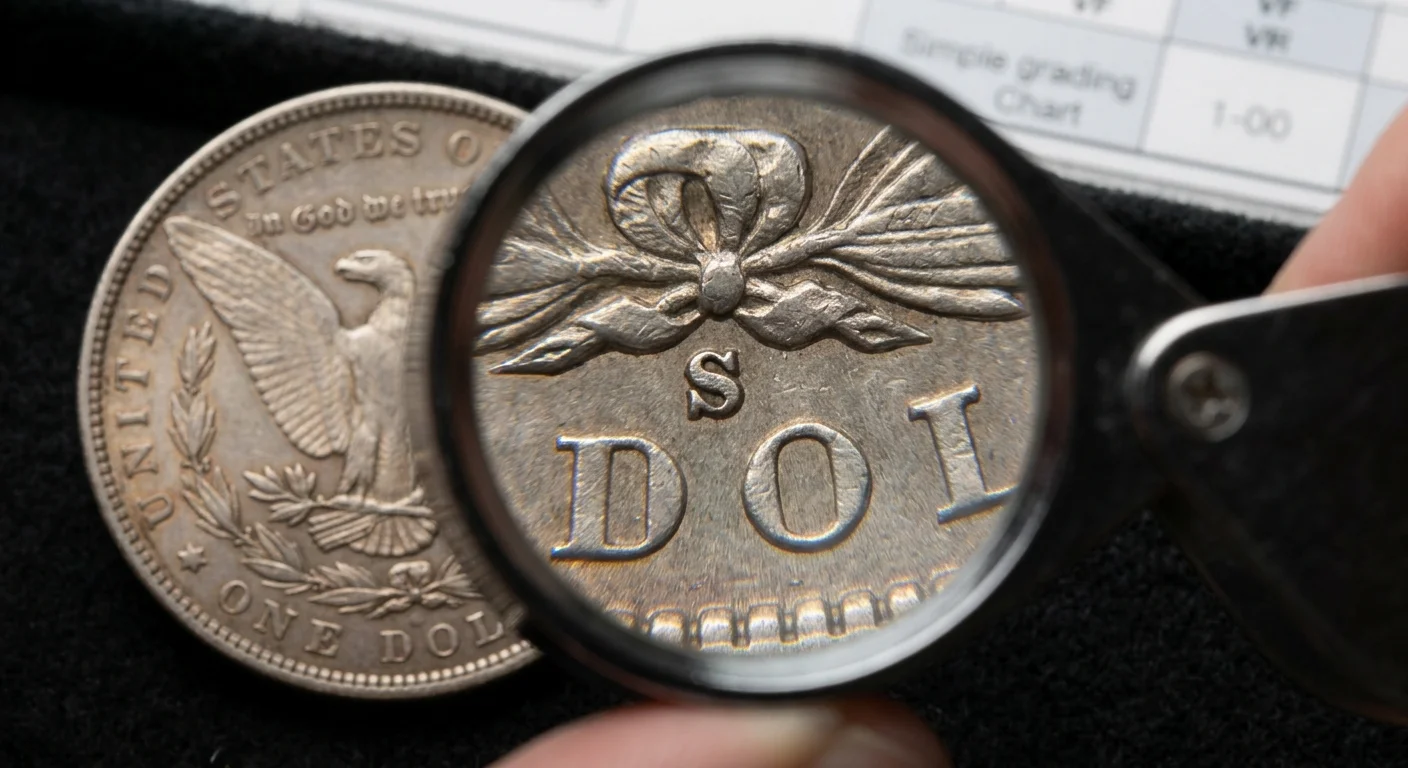
- Mint marks. A small letter near the date (commonly D, S, or no mark at all for Philadelphia) indicates which U.S. Mint facility struck the coin, and certain mint mark and date combinations within a series are significantly harder to find than others.
- Coins that look different from others of the same type. A doubled image, a design that seems slightly off-center, or lettering that looks unusual compared to other coins of the same date can indicate a die variety or minting error, both of which sometimes carry real premiums among specialist collectors.
- Exceptional condition. A coin that still shows strong, unworn detail and original luster, especially if it’s an older date, stands out from a typical circulated example and is worth setting aside on its own.
You don’t need to diagnose exactly what you’re looking at. The goal at this stage is simply noticing when something looks different enough to deserve its own closer look rather than being grouped with the rest.
Step Four: Set Aside Anything Already Certified or Documented
If any coins in the collection are already in hard plastic holders with a grading label — from a service like PCGS or NGC — set those aside as their own group immediately. These coins have already been authenticated and graded by a professional third-party service, and their value is tied to that certified grade rather than needing to be re-evaluated from scratch. Never remove a coin from its certified holder; doing so can affect its ability to be recognized and valued as that certified grade.
Similarly, gather up any paperwork that came with the collection: old purchase receipts, appraisal documents, auction records, or handwritten notes about where or when a coin was acquired. This kind of provenance doesn’t change what a coin physically is, but it can add useful context for a dealer evaluating the collection, and it’s easy for this kind of documentation to get separated from the coins themselves during a move or estate transition.
Step Five: Handle Everything Carefully — and Don’t Clean Anything
This is worth its own step because it’s the single most common and costly mistake people make with an inherited collection: cleaning the coins before bringing them in. It’s a natural instinct — the coins look old and dull, and polishing them seems like it would help. In reality, cleaning strips a coin’s original surface, and collectors and grading services place a real premium on originality. A coin that looks shinier after a cleaning often looks worse to a trained eye, and the value lost from cleaning can be significant, especially on an otherwise desirable coin.
As you sort, handle coins by their edges rather than touching the flat faces, since oils from skin can affect a coin’s surface over time. If you have any soft holders, paper envelopes, or coin flips on hand, use them for anything you’ve set aside as potentially valuable — just avoid anything made of PVC plastic, which can chemically react with a coin’s surface over long-term storage.
A Practical Sorting Scenario
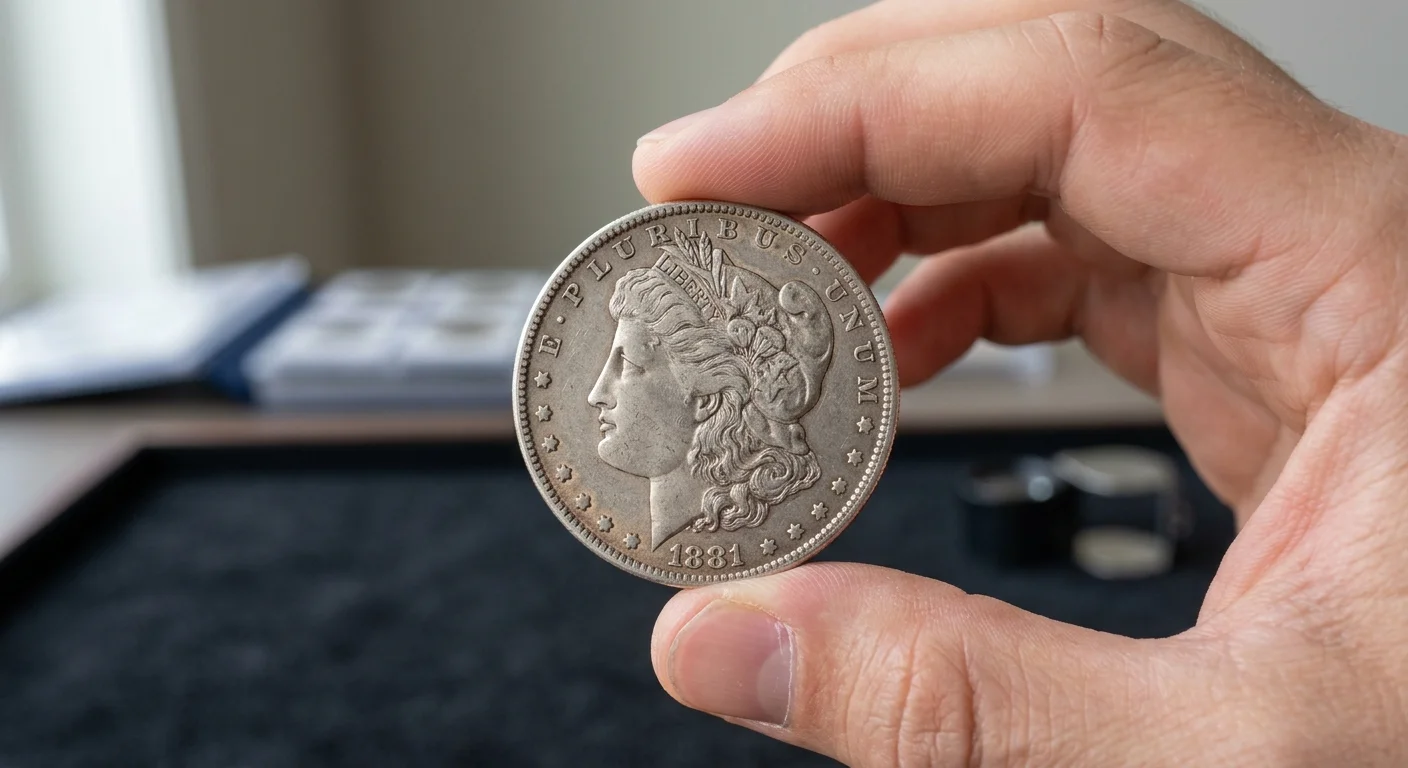
Here’s a hypothetical example to illustrate how this process might play out, not an account of a real collection: imagine someone inherits a cigar box containing roughly 200 coins from a grandparent. Working through the steps above, they might find that the vast majority are ordinary modern coins worth face value. Within the older group, a dozen or so quarters and dimes turn out to be dated 1964 or earlier, making them silver. Two half dollars from the late 1960s turn out to be 40% silver. Among the rest, one worn silver dollar catches their eye simply because it looks different from everything else, and a small manila envelope contains three coins with an old handwritten note reading “Dad’s coins — don’t spend.” None of this requires expert knowledge to notice. It just requires the patience to look at each coin individually rather than treating the whole box as a single, undifferentiated pile.
Getting a Professional Appraisal in Las Vegas
Once you’ve sorted the collection into rough groups — ordinary coins, likely silver, anything unusual, and anything already certified or documented — you’re in a much stronger position to get an accurate evaluation. DEI Gold and Silver Coins provides a free coin appraisal in Las Vegas for inherited coin collections and estates, evaluating both the bullion value and the numismatic value of what you bring in, so you understand exactly what you have before making any decision about selling.
For larger collections tied to a family estate, DEI Gold and Silver Coins also offers a dedicated estate appraisal process built specifically for executors and families sorting through a loved one’s belongings.
Conclusion
Sorting inherited coin collection contents doesn’t require becoming a numismatist overnight. It requires patience, a willingness to look closely rather than assume everything is ordinary, and enough restraint not to clean anything along the way. Working through a jar or box methodically, rather than handing it over unsorted, sets both you and any dealer up to give the collection the attention it deserves — and it’s often the difference between finding out what a collection is truly worth and simply guessing.
Beyond helping families sort through what they’ve inherited, DEI Gold and Silver Coins also connects with the wider Las Vegas numismatic community through the coin shows it proudly supports.
DEI Gold and Silver Coins is the official sponsor of these shows.
Held and produced by CK Shows, Las Vegas, NV.
IG @CKShows
702-528-2091By DEI Gold and Silver Coins | Articles by DEI Gold and Silver Coins