Are you considering investing in precious metals but unsure whether bullion, jewelry, or collectible coins provide the best long-term value?
Are you considering investing in precious metals but find yourself uncertain whether bullion, jewelry, or collectible coins will deliver the best long-term value? This is a common challenge for investors who want to diversify their portfolio while ensuring that their money grows steadily and remains protected against economic fluctuations. Precious metals like gold, silver, and platinum have long been recognized as a safe haven in times of market volatility, inflation, or global uncertainty, which is why millions of people worldwide continue to consider them as part of a balanced investment strategy.
However, not all precious metal investments are created equal. Bullion, jewelry, and collectible coins each have distinct characteristics, advantages, and drawbacks. Bullion is valued primarily for its metal content, offering a straightforward and reliable way to preserve wealth. Jewelry, while visually appealing and culturally significant, often carries premiums for craftsmanship and design that may not always translate into long-term financial gains. Collectible or numismatic coins, on the other hand, are sought after for their rarity, age, and historical significance, making them highly desirable to collectors but sometimes less liquid than bullion.
In this guide, we will break down the unique characteristics, advantages, and potential drawbacks of bullion, jewelry, and collectible coins. By examining their investment value, market trends, and practical considerations, you will gain a clear understanding of which type of precious metal investment suits your portfolio, risk tolerance, and long-term financial objectives. By the end of this article, you’ll be equipped with the knowledge to make confident, informed decisions about investing in precious metals.
1. What is Bullion and Why is it Considered a Safe Investment?
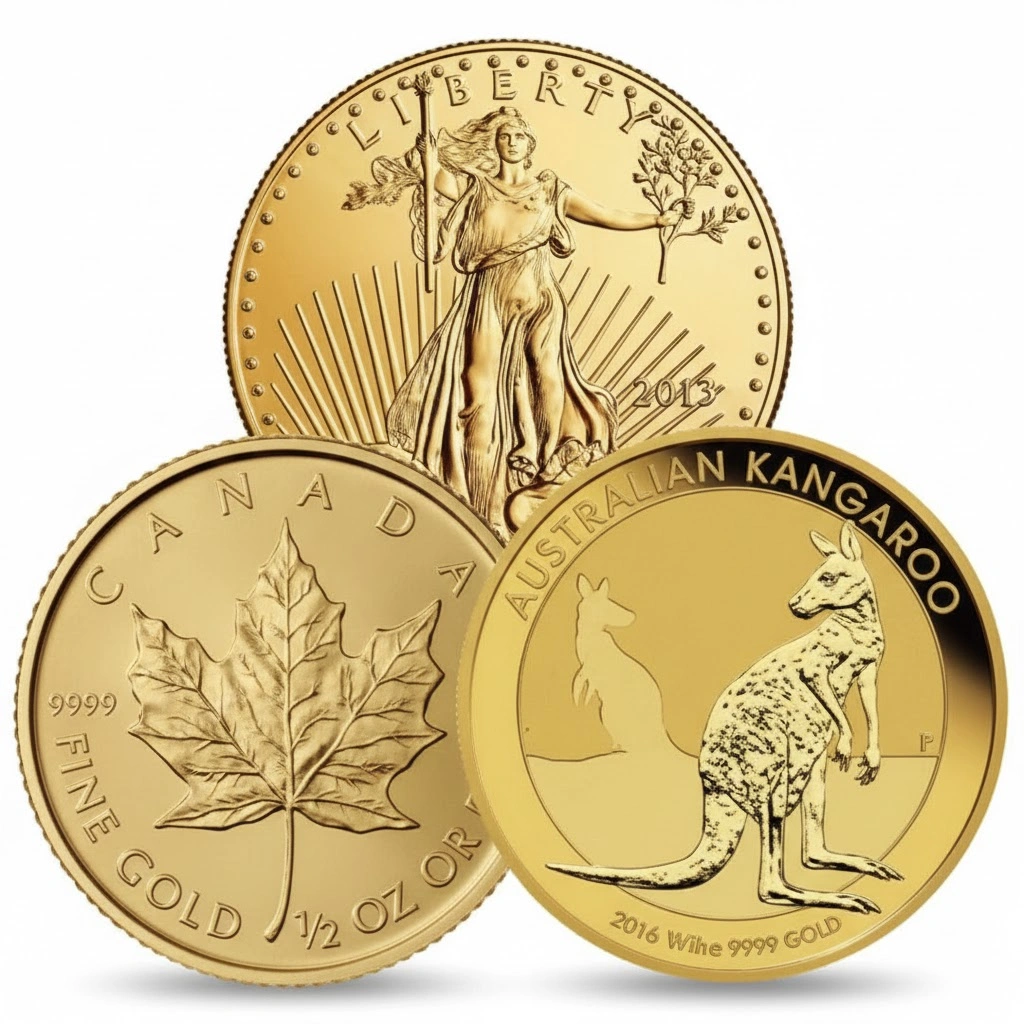
Bullion refers to precious metals such as gold, silver, platinum, or palladium in bulk form, typically cast into bars, rounds, or ingots, each with a predetermined weight and a certified level of purity. Unlike jewelry, coins, or other decorative items, bullion is primarily valued for its metal content rather than craftsmanship or design. Investors, collectors, and central banks often purchase bullion as a secure store of wealth, a hedge against inflation, or a safeguard during economic uncertainty. Throughout history, bullion has played a crucial role in commerce and trade, serving as both a medium of exchange and a reliable measure of wealth. Its tangible, intrinsic value makes it a preferred investment for those looking to preserve purchasing power over the long term.
Why Choose Bullion?
- Liquidity: Bullion is highly liquid, meaning it can easily be sold or traded on the global market.
- Stability: Precious metals, especially gold, have historically been considered safe havens during times of economic uncertainty or inflation.
- Lower Premiums: Bullion typically has lower premiums over the spot price of the metal compared to coins or jewelry, making it a cost-effective way to invest in precious metals.
Pro Tip:
When buying bullion, always consider the purity level (e.g., 999.9 for gold) and buy from reputable dealers to avoid counterfeit products.
2. The Allure of Jewelry: Is It a Wise Investment?
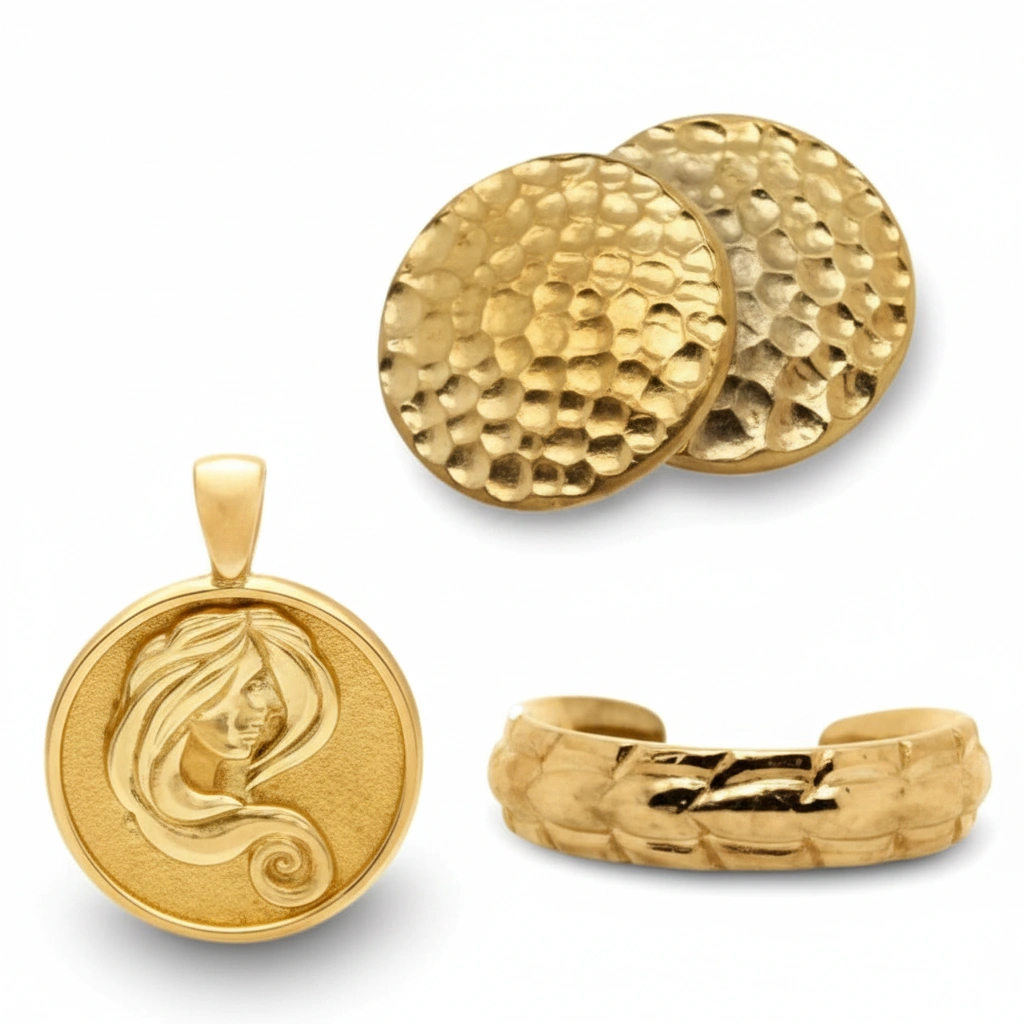
Jewelry made from precious metals like gold and silver is popular for personal use, gifts, and cultural significance. While it holds value, its potential for long-term appreciation differs from bullion, as factors like design, brand, and craftsmanship can affect resale price. Bullion, by contrast, is valued mainly for its metal content, making it a more reliable option for investors.
Why Jewelry May Not Be the Best Investment
- High Markups: Jewelry often comes with high premiums due to craftsmanship, design, and retail markup, which can significantly reduce its resale value.
- Subject to Fashion Trends: Unlike bullion, jewelry prices can fluctuate based on trends, consumer preferences, and fashion cycles. This makes it less reliable for long-term investment.
- Sentimental Value: While jewelry can carry personal or family value, it does not always translate into financial gain.
Expert Insight:
“While gold jewelry can hold its intrinsic value, the additional premiums for design and branding often overshadow its investment potential, especially when reselling.”
Buy or Sell Gold & Silver Coins with Confidence
Work with a trusted Las Vegas coin dealer offering fair pricing, honest appraisals, and expert guidance every step of the way.
3. Understanding Collectible Coins: Are They Worth the Investment?
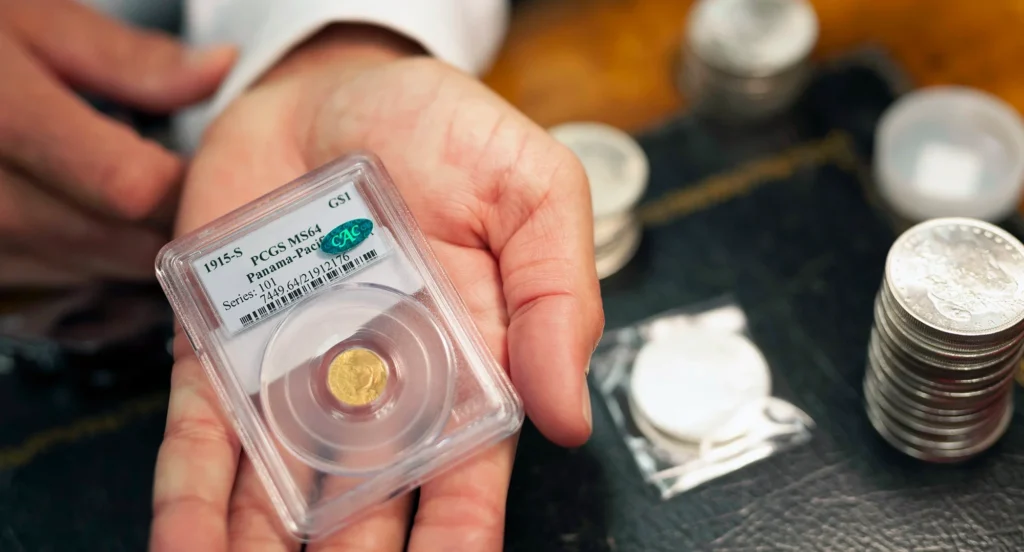
Collectible coins, also known as numismatic coins, are coins valued for more than just their metal content. Their worth depends on factors such as rarity, age, historical significance, and overall condition. Limited editions or coins with unique designs often attract collectors and investors. Unlike bullion, their value can fluctuate based on market demand and historical interest.
Why Invest in Collectible Coins?
- Potential for Appreciation: Rare and well-maintained collectible coins have the potential to appreciate in value significantly over time, sometimes even surpassing the value of the metal itself.
- Historical and Aesthetic Appeal: Collectible coins often come with a rich history, which can make them more appealing to collectors and investors alike.
- Diversification: Including collectible coins in your investment portfolio can add a layer of diversity, especially if you’re looking to capture the potential growth in a niche market.
Pro Tip:
If you’re considering collectible coins, research is key. Understand the rarity, condition, and demand for specific coins to maximize your investment potential.
Buy or Sell Gold & Silver Coins with Confidence
Work with a trusted Las Vegas coin dealer offering fair pricing, honest appraisals, and expert guidance every step of the way.
4. Comparing Bullion, Jewelry, and Collectible Coins: Which Offers the Best Long-Term Value?
The best choice for long-term value depends on your financial goals and risk tolerance. Here’s how bullion, jewelry, and collectible coins compare:
| Factor | Bullion | Jewelry | Collectible Coins |
| Market Demand | High and stable | Varies with trends | High for rare items |
| Premiums | Low | High | Moderate to high |
| Liquidity | High | Low to moderate | Low to moderate |
| Resale Value | Close to spot price | Often lower than purchase price | Can outperform metal value |
| Storage and Care | Easy to store | Requires care and protection | Requires proper storage and preservation |
Key Takeaways:
- Bullion is ideal for those seeking a stable, low-risk investment with minimal premiums.
- Jewelry is better for those who value personal use or beauty but should not be relied upon for significant investment returns.
- Collectible Coins can provide significant returns but require a deeper understanding of the market and a willingness to invest in rare, high-demand items.
5. Real-World Examples of Profitable Investments in Precious Metals
Example 1: Bullion Investment in Gold
In 2001, the price of gold was around $300 per ounce. By 2020, it peaked at over $2,000 per ounce, providing a 567% return on investment over nearly two decades.
Example 2: Rare Coin Investment
The 1933 Saint-Gaudens Double Eagle, one of the most famous rare coins in history, sold for over $18 million in 2021—far beyond its metal value of about $2,000.
Example 3: Jewelry Investment
While some high-end jewelry like Cartier or Tiffany may hold some resale value, the average gold jewelry often experiences significant depreciation when resold due to design and markup costs.
6. Risks and Considerations in Precious Metal Investments
Investing in precious metals comes with its own set of risks, including:
- Market Volatility: While precious metals are often seen as a safe haven, their prices can still be influenced by global economic factors.
- Storage Costs: Physical assets like bullion and collectible coins require secure storage, and this can add to your investment’s total cost.
- Counterfeit Risks: Both bullion and collectible coins are susceptible to counterfeiting. Always buy from reputable dealers and verify authenticity.
Pro Tip:
Diversifying your precious metal investments across bullion, coins, and jewelry can help mitigate risks and enhance potential returns.
FAQ Section
1. What’s the difference between bullion and collectible coins?
Bullion refers to precious metals bought primarily for their metal content, while collectible coins are valued for their rarity, historical significance, and condition, often fetching higher prices than their metal content alone.
2. Are collectible coins a good investment?
Yes, collectible coins can be a profitable investment, especially rare ones with historical significance. However, they require careful research and knowledge of the market to ensure the investment yields returns.
3. Does jewelry make a good investment?
Jewelry is generally not considered a strong investment due to high premiums and fluctuating demand. While it can hold some value, it’s typically not a reliable source of financial growth.
4. How can I store bullion and collectible coins safely?
Both bullion and collectible coins should be stored in a secure, climate-controlled environment. Consider using a safe deposit box or a home safe designed for precious metal storage.
5. Can bullion prices fluctuate significantly?
Yes, bullion prices can fluctuate due to changes in the global economy, inflation, and currency value. However, over the long term, precious metals have historically maintained or increased in value.
Conclusion
When deciding between bullion, jewelry, and collectible coins, it’s crucial to consider your investment goals, risk tolerance, and time horizon. Bullion offers a stable, liquid investment with low premiums, making it ideal for long-term security. Jewelry, while beautiful, is often less reliable for financial growth due to high premiums and fluctuating demand. Collectible coins offer the potential for significant appreciation but require expert knowledge and careful management.
If you’re just starting out, consider beginning with bullion and gradually exploring coins as you gain more experience in the market. Always remember to research, choose reputable dealers, and store your assets securely to ensure your investments reach their full potential.