When it comes to investing in precious metals, silver remains one of the most accessible and practical choices for both novice and seasoned investors. A common dilemma many face is deciding between silver rounds vs silver coins, as this choice can significantly impact returns, especially with silver prices on the rise.
Should you invest in traditional silver coins, often prized for their numismatic value and collectibility, or choose silver rounds, which typically carry lower premiums and are easier to accumulate for long-term holdings? This question challenges even experienced investors seeking to optimize their precious metals portfolio.
In this article, we’ll explore the key differences, advantages, and drawbacks of silver rounds vs silver coins, providing actionable insights to help you make informed investment decisions. Whether your goal is portfolio diversification, wealth preservation, or maximizing long-term growth, understanding these distinctions is essential for any serious silver investor.
What Are Silver Rounds and Silver Coins?
Before deciding, it’s important to understand Silver Rounds vs Silver Coins: rounds are privately minted and valued for silver content, while coins are government-issued, legal tender, and often carry numismatic value.
Silver Rounds:
Silver rounds are round pieces of silver that are typically produced by private mints rather than government institutions. These rounds are usually 1 ounce of fine silver, and while they may look similar to silver coins, they are not considered legal tender. Unlike coins, silver rounds lack a face value and are often marketed for their silver content alone.
Silver Coins:
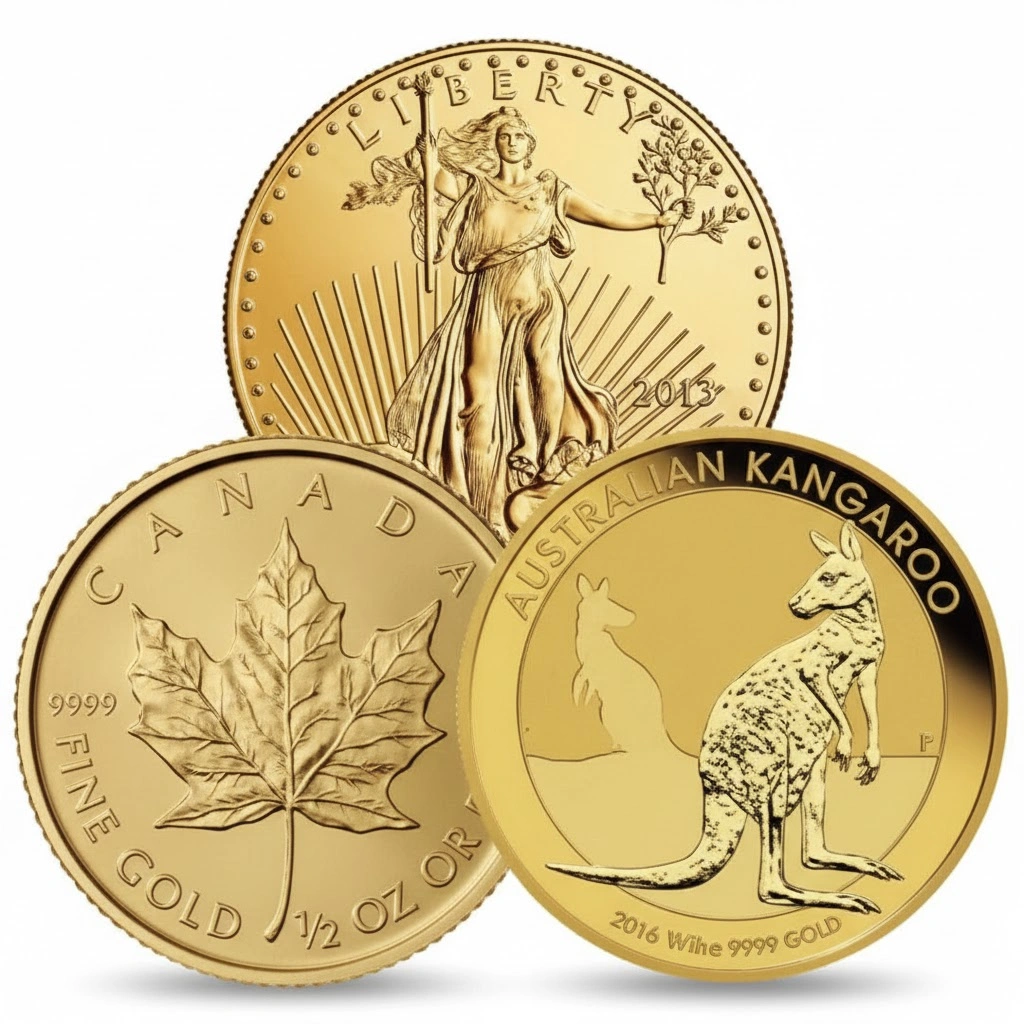
When comparing Silver Rounds vs Silver Coins, it’s important to note that silver coins are produced by government mints and carry legal tender status. Examples include the American Silver Eagle, the Canadian Silver Maple Leaf, and the Austrian Philharmonic. These coins not only have a face value but also feature intricate designs and national symbols, enhancing their numismatic appeal. As a result, silver coins offer both collectible value and investment potential, making them a versatile option for investors seeking long-term growth and portfolio diversification.
Silver Rounds vs Silver Coins: What’s the Difference?
Now that we understand the basics, let’s compare the two based on key factors like price, premiums, liquidity, and collectibility.
1. Premiums: Which Has the Lower Cost?
One of the first considerations when buying silver is the premium you pay above the spot price of silver.
Silver Rounds:
- Lower Premiums: Silver rounds typically have a lower premium compared to silver coins. Since they are produced by private mints and lack the legal tender status and collectible value of coins, their production costs are generally lower.
- Cost-Efficient Investment: If your primary goal is to invest in silver purely for its metal content and not for the collector value, silver rounds can be more cost-effective.
Silver Coins:
- Higher Premiums: Silver coins often come with higher premiums, mainly due to their collectible nature and legal tender status. Coins like the American Silver Eagle or the Canadian Maple Leaf come with higher production costs, making them more expensive.
- Value for Collectors: If you are also considering the collectible aspect of silver, then the higher premium on coins could be justified.
Pro Tip: If you’re purely looking for an investment, silver rounds might provide you with more ounces for your dollar, but if you’re interested in the coin’s potential to appreciate in value over time, coins might be worth the extra premium.
2. Collectibility and Aesthetics: Do Coins Have an Advantage?
If you’re an investor looking for potential appreciation in value, then the aesthetic and collectible nature of silver coins can be a factor.
Silver Rounds:
- Limited Collectibility: Although silver rounds can feature unique designs, they are not as widely recognized or cherished by collectors. The lack of a legal tender status can limit their appeal as collectible items.
- Design Variability: You will find a wide variety of designs and themes, from historical figures to pop culture references, but they rarely increase in value beyond the silver content.
Silver Coins:
- High Collectible Value: Silver coins, especially limited-edition or older issues, tend to have a higher collectible value. Coins such as the American Silver Eagle and Canadian Silver Maple Leaf are recognized globally and can appreciate in value based on their rarity and demand.
- Established Demand: Coins with unique designs, limited mintage, or historical significance can fetch a premium over the price of the silver itself, providing additional upside potential.
Expert Insight: If you’re investing not just for silver content but also for potential future value appreciation due to rarity or popularity, silver coins are often the better option.
3. Liquidity: Which Is Easier to Sell?
Liquidity is crucial when considering an investment. You want to be sure that when you need to sell your silver, you can do so without hassle.
Silver Rounds:
- Good Liquidity in Bullion Markets: While silver rounds are easy to sell in most bullion markets, they don’t have the same brand recognition or global demand as coins. You’ll likely get close to spot price, but there’s often less demand from collectors.
Silver Coins:
- Higher Liquidity for Coins: Since silver coins are more recognized and have a broader market, they often sell faster and at a higher price than rounds, especially if they are from a recognized government mint like the U.S. or Canada.
- Easier Global Transactions: Coins have a much higher demand globally, which can make them easier to sell anywhere in the world.
Pro Tip: If liquidity is a priority for you, silver coins tend to have better resale options due to their recognition and higher collector demand.
4. Storage: Which Is Easier to Store?
When considering silver investments, the physical storage of your assets is an often overlooked but critical factor.
Silver Rounds:
Compact and Easy to Store: Silver rounds are typically easy to store due to their standard size (usually 1 oz). Since they come in bulk and lack any special packaging or certifications, they are easy to stack and store in any safe or vault.
Silver Coins:
Bulkier Packaging: While silver coins are easy to store, they are often sold in protective cases or tubes, which can take up more space. Additionally, some coins come with certifications of authenticity, which can add to their storage requirements.
Expert Insight: If you’re looking to store large amounts of silver, rounds may be more practical due to their compactness, but coins may require additional storage considerations.
5. Which Option Is Better for Long-Term Investment?
Ultimately, the choice between silver rounds and silver coins will depend on your investment strategy.
Silver Rounds:
Better for Lower-Cost Long-Term Holdings: If you are planning to hold your silver for the long term purely for its value as a precious metal, silver rounds offer a more cost-effective way to accumulate silver. Their lower premiums make them attractive to investors looking to maximize silver content at a lower upfront cost.
Silver Coins:
Better for Collectible and High-Value Holdings: If you’re looking for silver investments with potential for long-term appreciation, silver coins offer added value in their collectibility. Coins like the Silver Eagles and Maple Leafs tend to appreciate over time, especially if they are limited edition or rare.
Buy or Sell Gold & Silver Coins with Confidence
Work with a trusted Las Vegas coin dealer offering fair pricing, honest appraisals, and expert guidance every step of the way.
FAQ Section:
1. What is the difference between silver rounds and silver coins?
When comparing Silver Rounds vs Silver Coins, silver rounds are privately minted with no face value and lower premiums, while silver coins are government-issued, legal tender, and carry both collectible and investment value.
2. Are silver rounds or coins better for investment?
In Silver Rounds vs Silver Coins, rounds are ideal for cost-effective accumulation, while coins offer higher potential appreciation due to their collectible and numismatic value.
3. Why are silver coins more expensive than silver rounds?
Silver coins generally carry higher premiums because of their legal tender status, numismatic appeal, and the credibility of government mints, making them both collectible and investment-grade assets.
4. Can I sell silver rounds and silver coins anywhere?
In Silver Rounds vs Silver Coins, both sell in bullion markets, but coins offer higher liquidity. Collector recognition and strong demand make them easier to trade.
5. Which has a better resale value: silver rounds or silver coins?
When evaluating Silver Rounds vs Silver Coins, silver coins typically offer stronger resale value due to their collector appeal, global recognition, and higher market demand, making them a preferred choice for investors seeking both numismatic and bullion returns.
Conclusion: Which Should You Buy for Investment?
When deciding Silver Rounds vs Silver Coins, your investment objectives are key. Silver rounds are an excellent choice for long-term accumulation, offering lower premiums, easier storage, and efficient diversification for investors focused on maximizing silver holdings. On the other hand, silver coins provide higher collectibility, potential appreciation beyond the spot price, and strong global demand, making them ideal for investors seeking both numismatic value and long-term growth. Understanding these differences can help you make an informed decision that aligns with your portfolio strategy.