What Is a Bullion Premium?
Understanding the Premium: A Hidden Cost of Bullion
Bullion premiums refer to the amount added to the spot price of a precious metal to cover the costs of minting, marketing, and distribution. Spot price is the current market price for a precious metal, based on its weight and purity, without any added costs. However, when you purchase a physical coin or bar, the price you pay is often higher than the spot price due to the premium.
For instance, if the spot price of gold is $1,800 per ounce, a gold coin might cost $1,850, with the extra $50 being the premium. This premium is often set by the dealer or mint and can vary significantly depending on the type of bullion, its demand, and its rarity.
Why Do Bullion Premiums Exist?
Factors That Influence Premiums
Several factors contribute to the existence of bullion premiums:
- Minting and Production Costs: Minting coins involves costs that go beyond just the price of the metal. Design, production, quality control, packaging, and shipping all contribute to the premium.
- Limited Editions and Rarity: Coins from limited runs or special editions often carry higher premiums due to their rarity. Collectors are willing to pay more for these coins, knowing that they will be harder to find in the future.
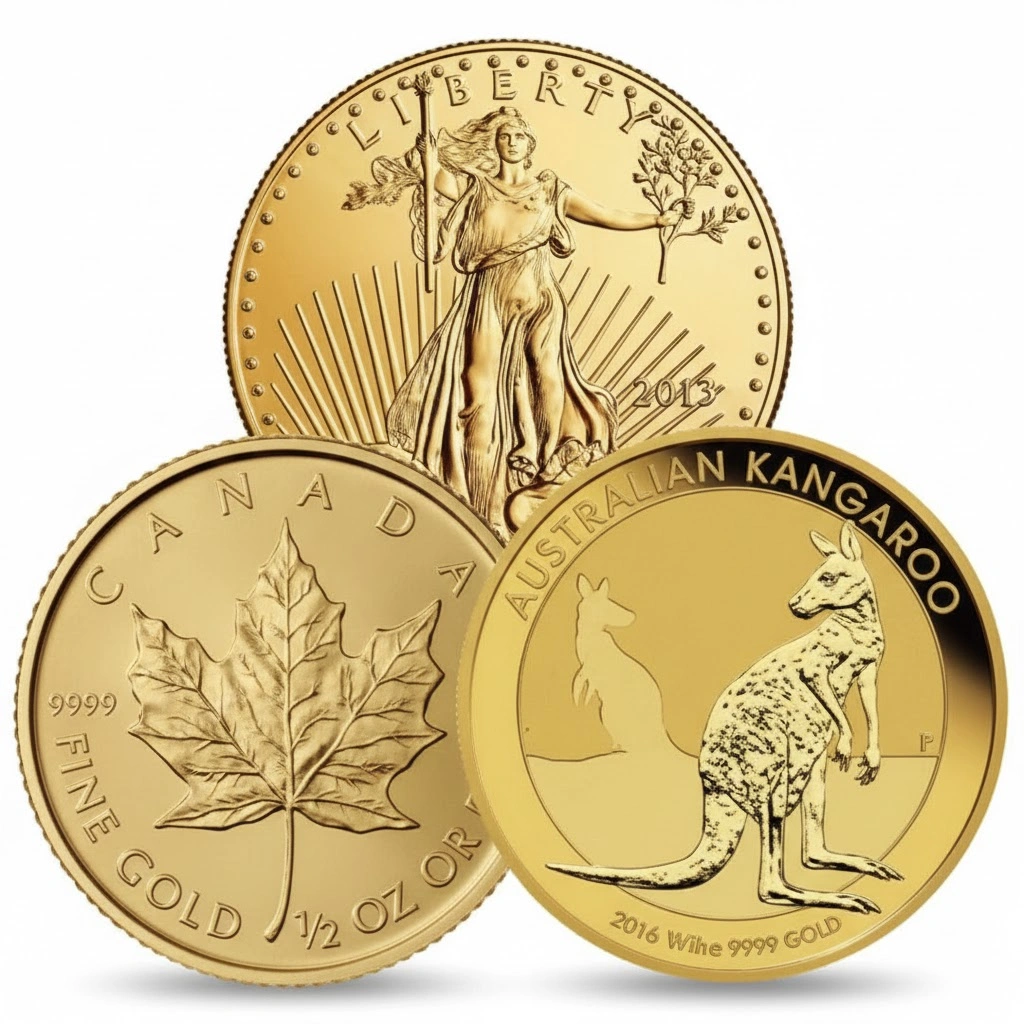
- Demand and Popularity: Certain coins, such as the American Gold Eagle or the Canadian Maple Leaf, are in high demand, leading to higher premiums. When demand outstrips supply, dealers often raise the premium to take advantage of the market conditions.
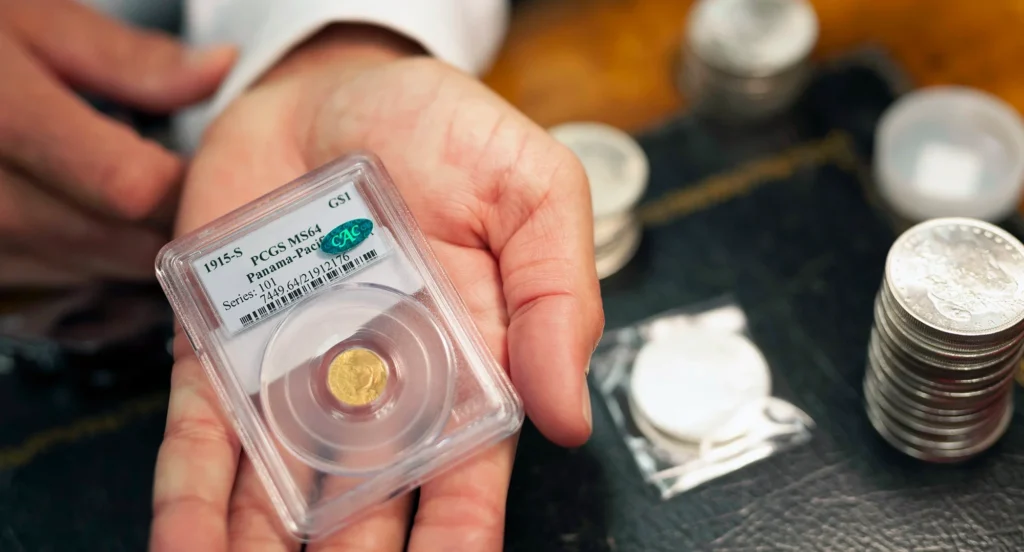
- Historical Value: Coins that are older or have a rich history may command higher premiums. Their age and the story behind them make them more valuable to collectors, even though their intrinsic metal content might be similar to modern coins.
How Are Bullion Premiums Calculated?
Spot Price vs Premium: The Breakdown
Premiums can vary by product type and are generally calculated as a percentage of the spot price. Some bullion dealers calculate the premium as a flat dollar amount, while others may offer premiums that fluctuate based on market conditions.
Here’s an example of how premiums are calculated:
- Spot Price: $1,800 per ounce
- Premium: 5% (common for popular bullion coins)
So, the premium price would be:
[ \text{Price of Coin} = \text{Spot Price} + (\text{Spot Price} \times \text{Premium Percentage}) ]
In this case:
[ \text{Price of Coin} = 1800 + (1800 \times 0.05) = 1800 + 90 = 1890 ]
This means the coin would cost $1,890 instead of the spot price of $1,800.
Buy or Sell Gold & Silver Coins with Confidence
Work with a trusted Las Vegas coin dealer offering fair pricing, honest appraisals, and expert guidance every step of the way.
How Do Bullion Premiums Affect Your Investment?
The Impact on Investment Returns
When buying bullion as an investment, understanding the premium is important because it affects your overall returns. A higher premium means you’ll need a larger price increase in the spot price to make a profit. For instance, if you buy a coin with a 10% premium and the spot price increases by 5%, you won’t see a profit unless the price increase is more significant.
For example:
- Spot Price: $1,800
- Premium: $180 (10%)
- Total Cost: $1,980
If the spot price rises to $1,890, you still haven’t made a profit because you paid $1,980 for the coin. You’d need the spot price to exceed $1,980 to break even, and anything above that would contribute to your profit.
Types of Bullion Coins and Their Premiums
Standard Bullion Coins vs Collectible Coins
Not all bullion coins are created equal, and premiums can differ significantly between standard bullion coins and those meant for collectors.
- Standard Bullion Coins: These include coins like the American Gold Eagle, Canadian Maple Leaf, and South African Krugerrand. These are generally sold based on the spot price plus a standard premium for production and distribution costs. The premium tends to be relatively low compared to collectible coins, usually in the range of 3-5%.
- Collectible Coins: Coins such as the American Buffalo, limited-edition coins, or coins issued in celebration of specific events often have much higher premiums. These coins are not just valued for their metal content but also for their rarity, design, and collector appeal. Premiums for collectible coins can range from 10% to over 50%, depending on their popularity and demand.
Where Can You Find the Best Bullion Premiums?
Comparing Dealers and Mints
When buying bullion, it’s essential to compare premiums across different dealers and mints. Some dealers might offer lower premiums on commonly traded bullion coins, while others may specialize in rare or limited-edition coins that carry higher premiums.
Here are some tips for finding the best premiums:
- Research Online Dealers: Websites like APMEX, JM Bullion, and SD Bullion provide price transparency, allowing you to compare premiums on various coins and bars.
- Consider Shipping and Insurance: Some dealers offer lower premiums but add significant costs for shipping and insurance, which can erode your savings.
- Buy in Bulk: If you plan to buy a large quantity of bullion, you may be able to negotiate a lower premium per coin or bar.
Real-World Examples of Premiums
Case Study 1: American Gold Eagle vs Canadian Maple Leaf
- American Gold Eagle: This coin is known for its high demand in the U.S. market, and it carries a premium of around 5-7%. Due to its government backing and popularity, it often sees a higher premium than other gold bullion coins.
- Canadian Gold Maple Leaf: This coin, while also highly sought after, typically has a lower premium of around 3-5% compared to the American Gold Eagle. Its purity (99.99%) and international recognition contribute to its premium pricing.
Case Study 2: Limited Edition Silver Coin
A limited-edition silver coin celebrating a historical event may carry a premium of 20-30%. For example, the 2012 American Silver Eagle Proof Coin, with a mintage of just 100,000, sold for nearly double the price of the standard silver eagle due to its collector value.
Conclusion: Understanding Bullion Premiums for Better Investment Decisions
In conclusion, bullion premiums are an important aspect of buying and selling precious metals. They add a cost above the spot price, and understanding them can help you make smarter investment choices. Whether you’re a seasoned investor or a beginner, knowing how premiums work will ensure that you are paying a fair price for your precious metals. Always consider the type of bullion, its rarity, and the dealer’s pricing before making a purchase.
If you’re considering purchasing bullion, take the time to shop around, compare premiums, and factor them into your investment strategy. Understanding the premium pricing model can ultimately help you maximize your returns on precious metals.
FAQ Section
1. What is the difference between spot price and premium?
The spot price is the current market price of a precious metal, while the premium is the additional cost added to the spot price for production, distribution, and any other factors influencing the coin or bar’s price.
2. Why do premiums fluctuate?
Premiums fluctuate based on demand, rarity, minting costs, and market conditions. For example, during times of high demand, premiums may increase.
3. Are higher premiums worth it?
It depends on your goals. If you’re buying for investment, a higher premium may eat into your potential returns. If you’re collecting for rarity, higher premiums may be justified.
4. How can I avoid overpaying for bullion?
Compare premiums from different dealers, consider buying in bulk, and focus on standard bullion coins that typically have lower premiums.
5. Can premiums change over time?
Yes, premiums can change depending on market conditions, the mint’s production costs, and overall demand for specific bullion items.
6. Do all bullion coins carry premiums?
Yes, but the amount varies. Popular coins have lower premiums, while rare, collectible coins can have much higher premiums due to their scarcity and demand.
7. How do I calculate the total cost of buying bullion?
To calculate the total cost, add the premium to the current spot price. This gives you the full price you’ll pay for the coin or bar.