What Melt Value Actually Means
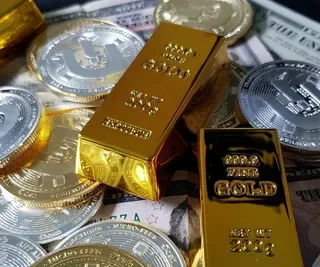
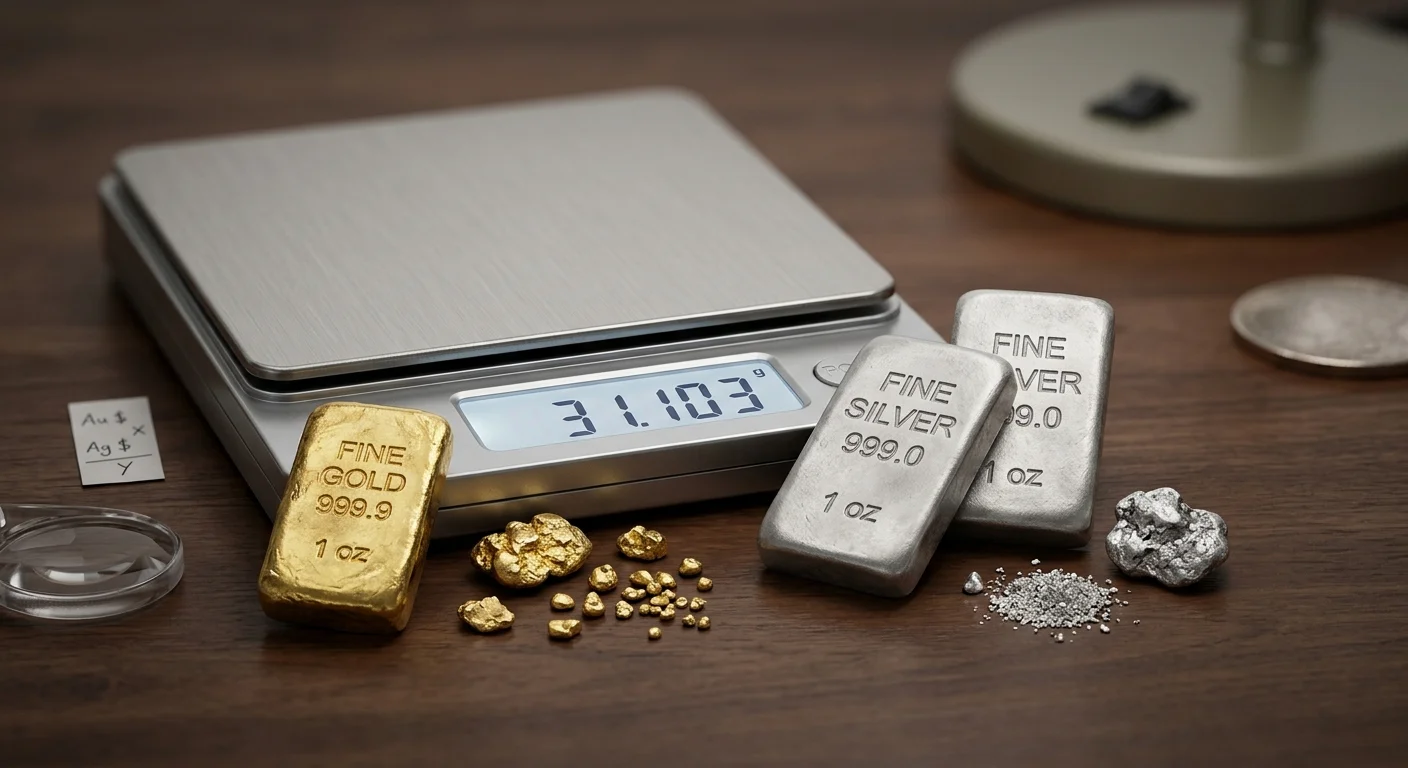
Melt value is the dollar amount a coin’s precious metal content would be worth if it were melted down and sold as raw metal, based on the current spot price of gold or silver. It’s a straightforward calculation: take the coin’s actual weight of pure gold or silver, multiply by the current spot price per ounce, and that’s the melt value.
This number is objective and easy to verify — it’s the same for any coin of the same metal content, regardless of date, mintmark, or condition. A worn 1921 Morgan silver dollar and a pristine 1921 Morgan silver dollar contain the same amount of silver, so their melt value is identical. Melt value is essentially a floor: a coin’s total value should rarely fall below its melt value, since a dealer could always recover at least that much from the metal content alone.
What Collector Value Adds on Top
Collector value — also called numismatic value — is the additional amount a coin is worth because of factors that have nothing to do with its metal content: rarity, condition, historical significance, and demand among collectors. This is the value a coin carries specifically because it’s a coin, not just a chunk of gold or silver shaped like one.
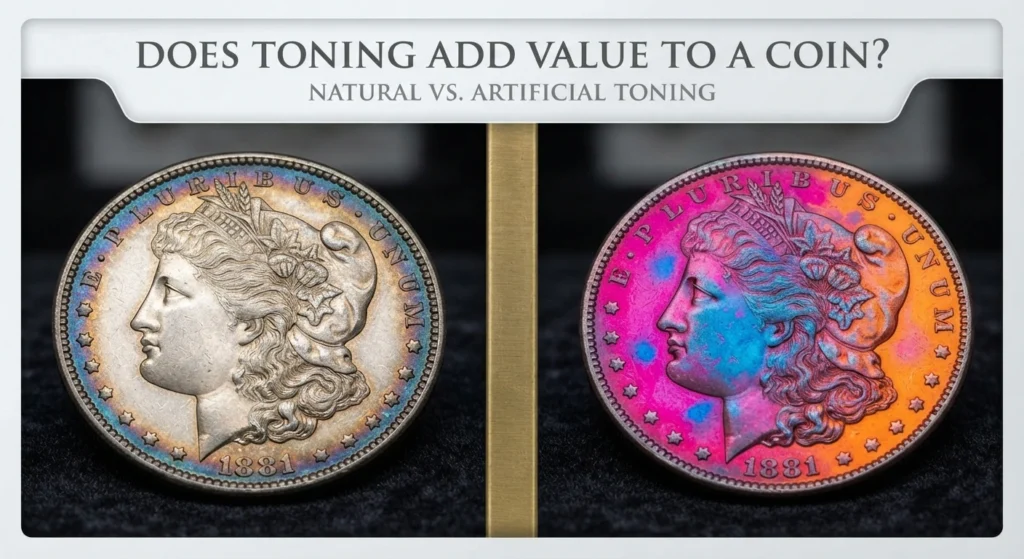
Two coins with identical melt value can have wildly different total values depending on their numismatic characteristics. A common-date silver dollar in heavily worn condition might be worth close to its melt value and little more. A scarce date in the same series, in high Mint State condition with strong luster and original surfaces, can be worth many times its melt value — sometimes to a degree that makes the underlying silver almost incidental to the price.
This is where terms like Mint State, strike quality, luster, and surface preservation come into play. These aren’t arbitrary labels — they’re the specific characteristics collectors and grading services use to evaluate how well-preserved and visually appealing a coin is, which directly affects how much of a numismatic premium it commands above melt value.
How Dealers Actually Price a Coin
When a dealer evaluates a coin, they’re essentially running two separate assessments and then determining which one applies — or how the two combine.
First, they calculate melt value as a baseline, using the coin’s known metal content and current spot price. This step is nearly identical from dealer to dealer, since it’s based on verifiable, objective numbers.
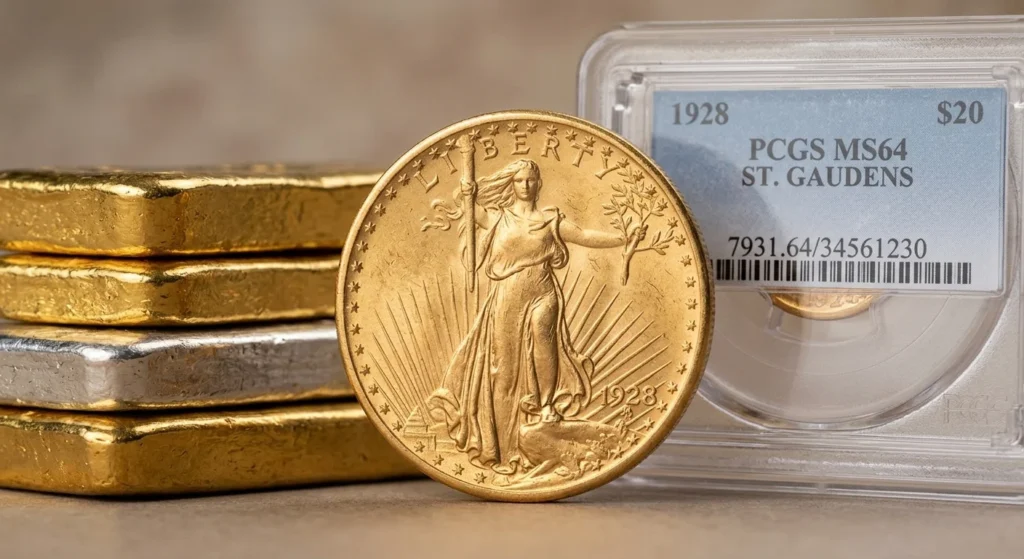
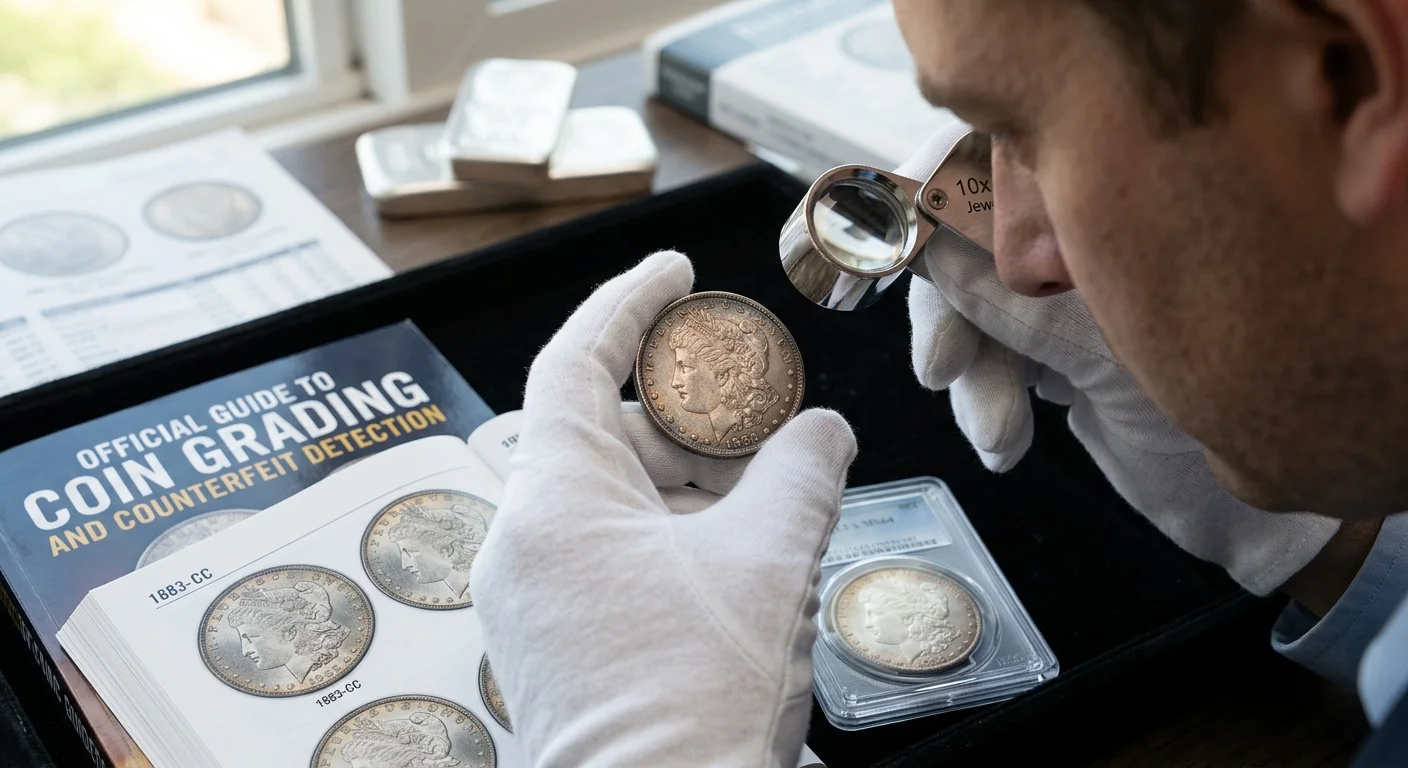
Second, they assess the coin’s numismatic characteristics: is this a common date or a scarce one? What’s the condition — heavily circulated, lightly worn, or uncirculated? Is it certified by a third-party grading service like PCGS or NGC, and if so, what grade did it receive? Does it carry a CAC sticker, indicating it meets a stricter quality standard within its assigned grade? Are there any notable varieties, errors, or provenance that add interest?
If the coin’s numismatic value comes out below its melt value — which can happen with common, well-worn coins in low-demand series — the coin is typically priced at or near melt value, since that represents the metal’s actual worth regardless of collector interest. If the numismatic value exceeds melt value, which is the case for many scarcer dates, better conditions, or certified pieces, the coin is priced according to its numismatic value instead, with melt value essentially becoming irrelevant to the final number.
Why a Coin Melt Value Calculator Only Tells Half the Story
A coin melt value calculator — a tool that multiplies a coin’s known metal content by the current spot price — is genuinely useful for establishing that baseline floor. If you’re trying to get a rough sense of what a stack of common-date silver coins is worth in bare metal terms, these calculators do that job well, and they’re widely available from reputable bullion and numismatic sources.
Where a melt value calculator falls short is in everything it doesn’t account for: rarity, grade, certification, eye appeal, and collector demand. A calculator has no way of knowing that a particular date is scarce, or that a coin has been certified in an exceptional grade, or that a specific variety is highly sought after by specialists. Relying on a melt calculator alone to price a coin that has genuine numismatic value is a little like appraising a house based only on the value of its lumber and drywall — it captures a real number, just not the one that usually matters most.
A Practical Example
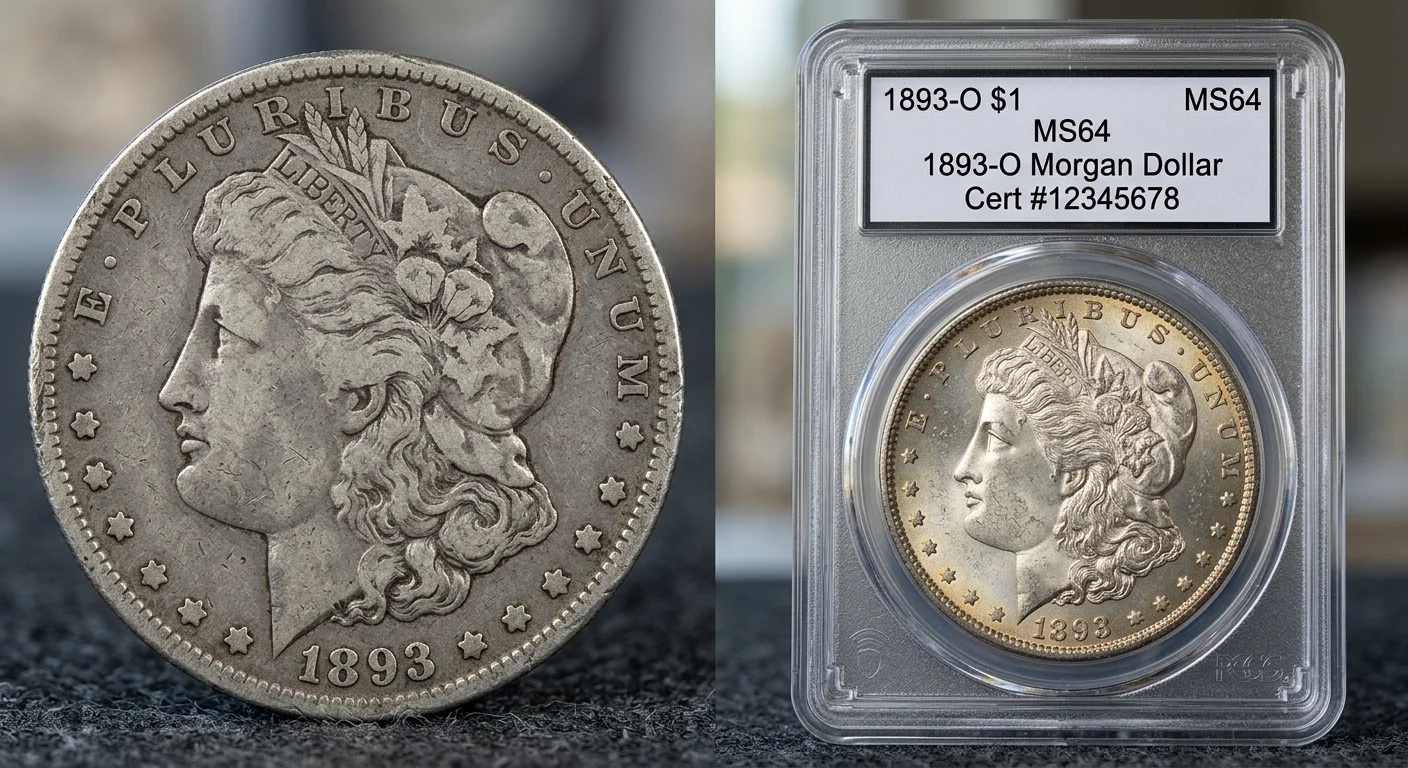
Here’s a hypothetical scenario to illustrate the distinction, not a real transaction: imagine a collector inherits two Morgan silver dollars, both from the same year. One is heavily worn, with significant flattening on the design and little remaining luster — it might be priced close to its melt value, since collector interest in a well-worn common date is limited. The other is in exceptional, well-preserved condition, certified by a major grading service at a high Mint State grade — this coin’s numismatic premium could push its total value well beyond what the silver content alone would suggest, simply because collectors are willing to pay for well-preserved condition and eye appeal, independent of the metal price. Same year, same denomination, same amount of silver — very different outcomes, based entirely on condition and certification.
Why This Distinction Matters When Selling
Understanding the melt-value-versus-collector-value distinction matters most at the moment of selling, because it directly affects what a fair offer should look like. When you decide it’s time to sell your gold and silver coins, having that distinction clear beforehand puts you in a much stronger position.A seller who only checks melt value and expects that number for every coin in a collection may be pleasantly surprised by a scarce date, or unrealistically disappointed by a common one that a dealer prices at or near melt.
It also matters because it affects how a collection should be evaluated in the first place. A box of mixed coins — some common, some scarce, some circulated, some uncirculated — shouldn’t be priced with a single blanket calculation. Each coin, or at least each meaningfully different group of coins, deserves individual assessment, since lumping everything together at a melt-value rate risks significantly undervaluing anything with real numismatic worth.
Getting an Accurate Appraisal in Las Vegas
Because the gap between melt value and collector value can be substantial,a free coin appraisal in Las Vegas is the only reliable way to know what a coin or collection is actually worth — particularly for anyone who isn’t already familiar with grading and numismatic pricing. DEI Gold and Silver Coins provides private, same-day appraisals for gold and silver coins, bullion, and full estate collections in Las Vegas, evaluating both the melt value and the collector value of each piece so sellers get an accurate picture before making a decision.
Conclusion
Melt value and collector value aren’t competing numbers — they’re two different lenses on the same coin, and understanding both is what separates an informed seller from one who’s guessing. A quick spot-price calculation will always tell you the floor, but it will never tell you whether a coin sitting in your collection is actually worth far more than its weight in metal. Getting that answer right takes a real evaluation, not just a calculator.
Beyond helping collectors understand what their coins are actually worth, DEI Gold and Silver Coins also connects with the wider Las Vegas numismatic community through the coin shows it proudly supports.
DEI Gold and Silver Coins is the official sponsor of these shows.
Held and produced by CK Shows, Las Vegas, NV.
IG @CKShows
702-528-2091By DEI Gold and Silver Coins | Articles by DEI Gold and Silver Coins