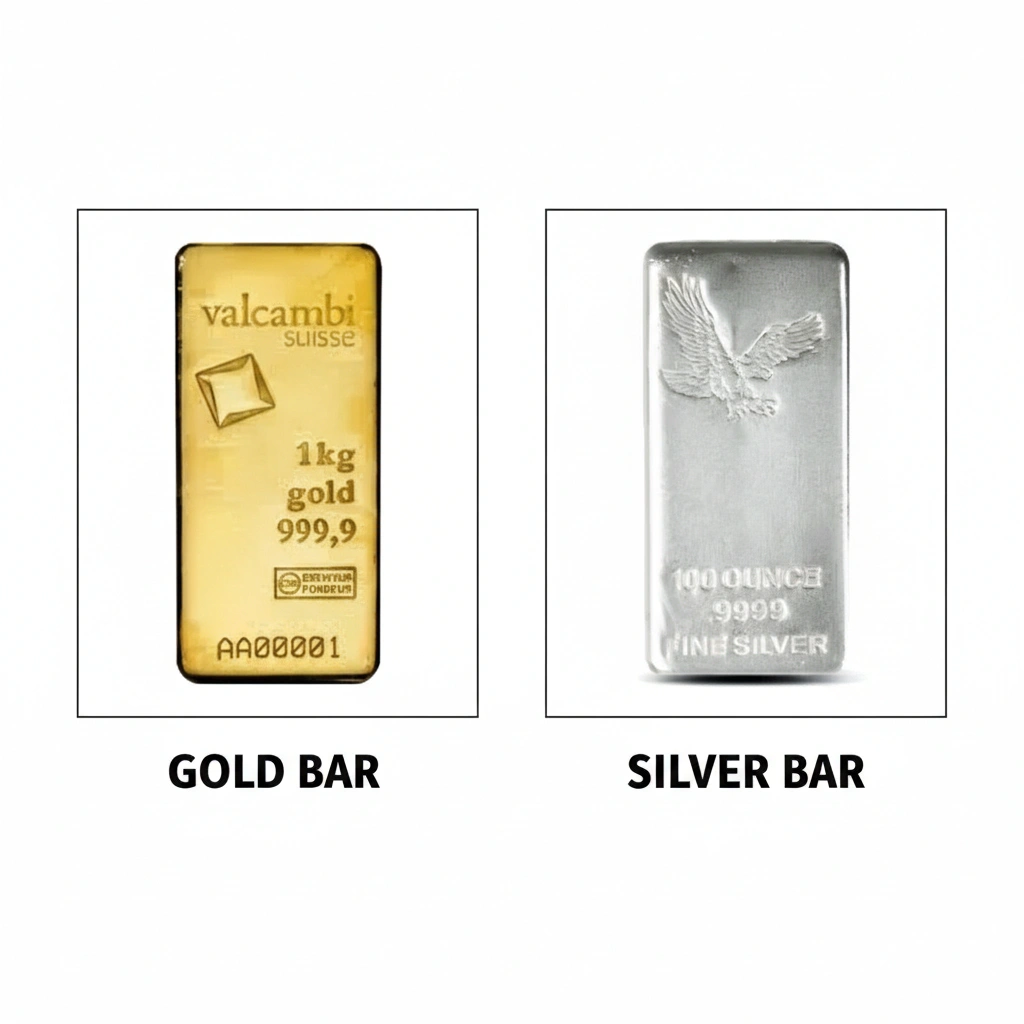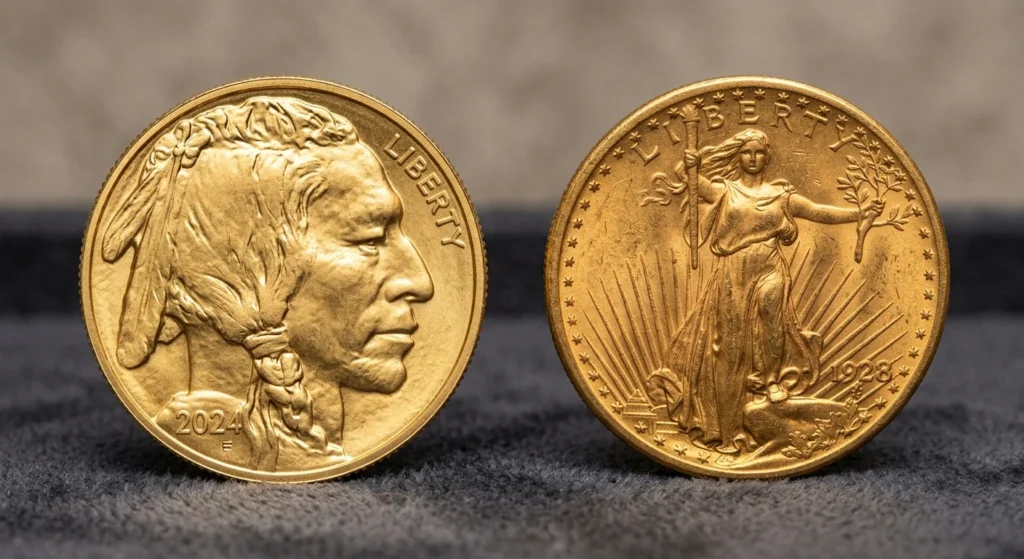
When gold rises, almost everything made of gold gets more expensive. That is where the similarity ends. Numismatic coin premiums vs bullion is really a question about what a buyer is paying for: the metal in the coin, or the coin itself.
For a modern bullion coin, the metal is nearly the whole price, so it tracks gold closely. For a rare, high-grade collectible, the metal may be a small fraction of the price, and gold’s daily moves matter far less than collector demand. In between sits a large group of coins that behave differently again. This article explains the three groups and why gold’s rise can squeeze one and barely touch another.
Bullion Value, Numismatic Value, and the Space Between
Bullion value is what the metal in a coin is worth at the current spot price. It is set by weight, purity and the market, and it is the same whether the coin is worn or perfect.
Numismatic value is what collectors will pay above the metal. That extra amount, the numismatic premium, reflects rarity, condition, certification, eye appeal, provenance and demand.
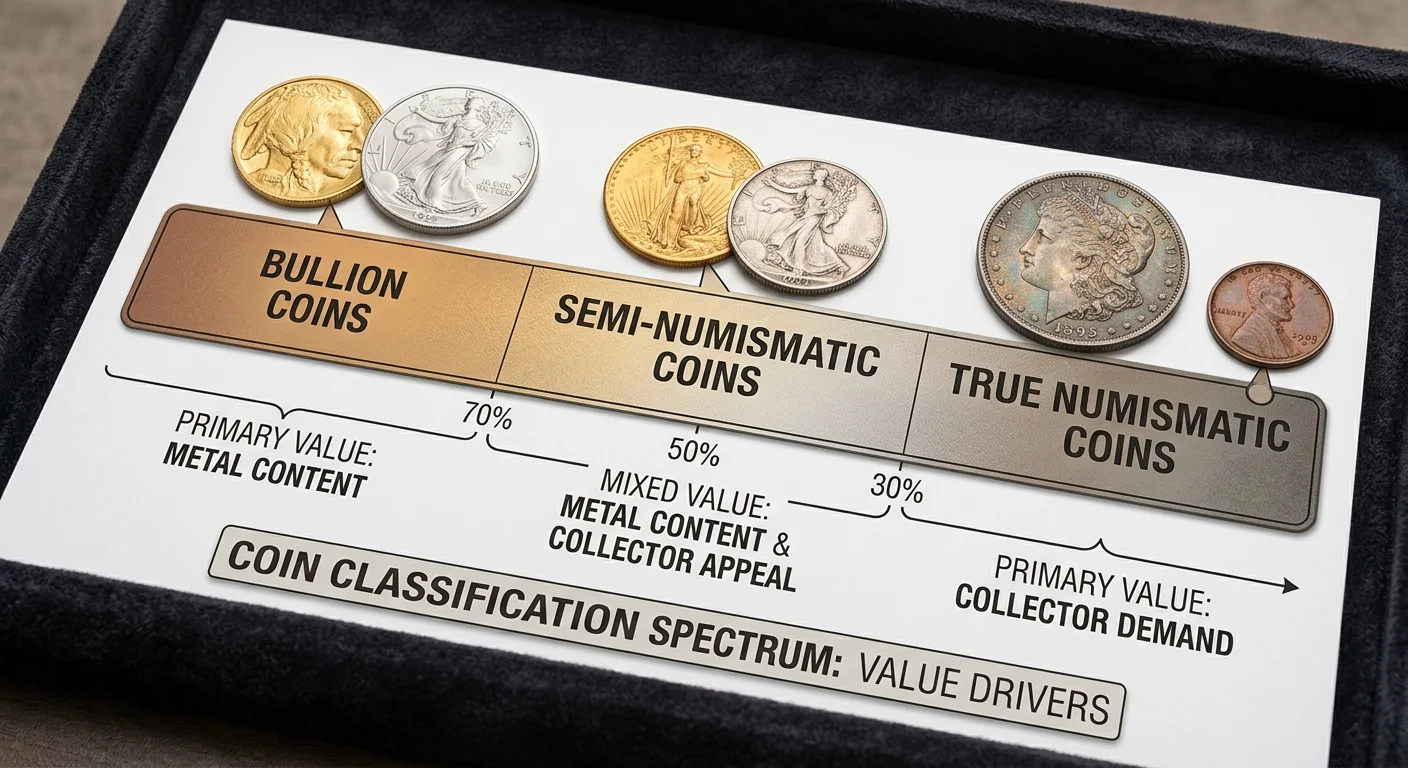
It helps to picture a spectrum with three broad groups:
- Bullion coins. Modern one-ounce gold and silver coins sold mainly for their metal. The premium over spot is typically modest.
- Semi-numismatic coins. Common-date, circulated pre-1933 gold such as a typical Liberty Head or Saint-Gaudens double eagle. The metal is most of the price, with a moderate collector premium on top.
- True numismatic coins. Rare dates, high grades, strong eye appeal, often certified by PCGS or NGC and sometimes carrying a CAC sticker. Here the premium can be many times the metal.
Where Gold Stands Now
Gold has traded well above $4,000 an ounce through much of 2026. On September 25, 2026, it was around $4,280 after a weekly slide driven by a stronger dollar and higher Treasury yields. That is a snapshot, and it will have moved by the time you read this.
The recent dip does not change the larger picture. Gold has moved into a much higher price range than it occupied a few years ago, and that shift is what has changed how premiums look across the three groups above.
Why Premiums on Common Gold Coins Get Squeezed
The clearest effect shows up in percentages. A collector premium is often a roughly fixed dollar amount, and when the metal price rises, that same amount becomes a smaller share of the total.
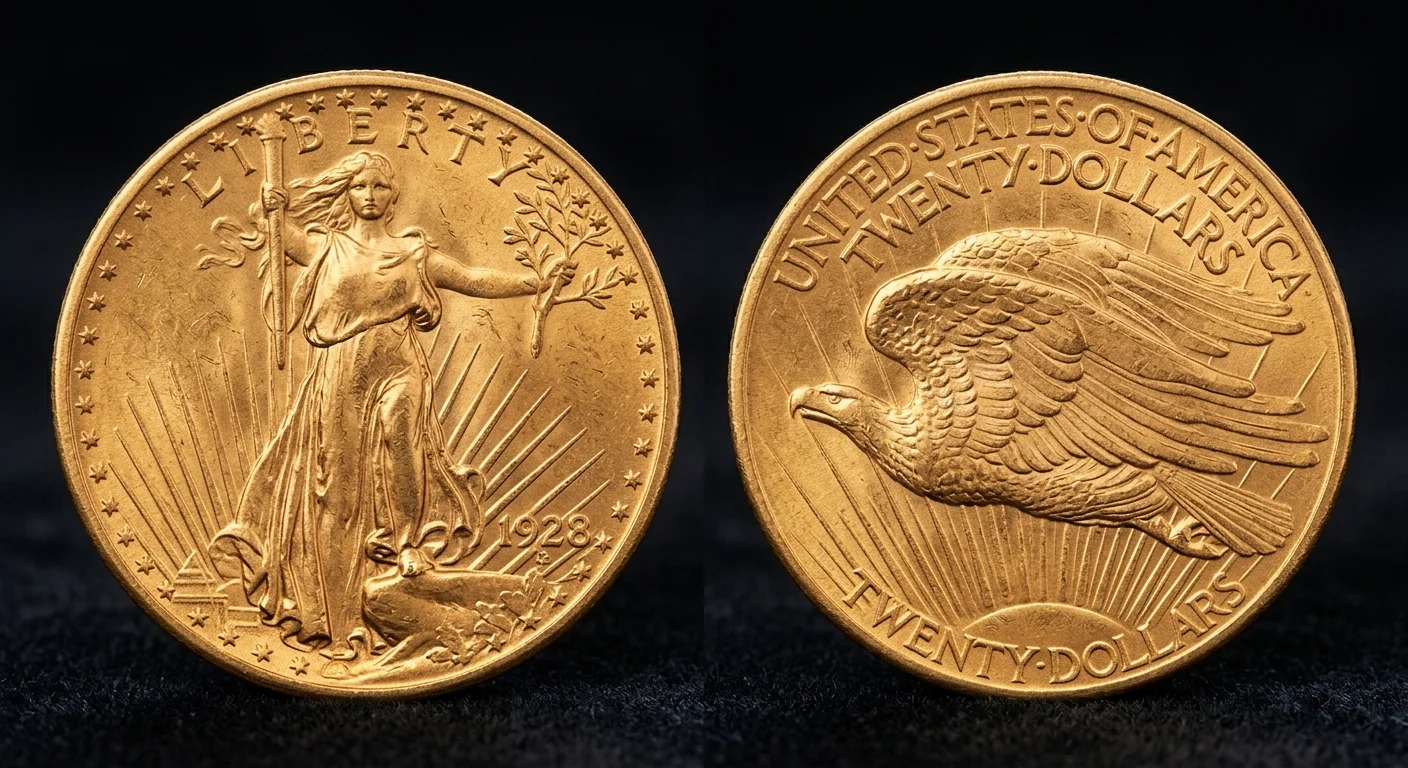
Here is a hypothetical example using round numbers, not real prices. A common-date double eagle contains about 0.9675 troy ounces of gold. Suppose gold is $2,000 an ounce, so the metal is worth roughly $1,935, and the coin sells for $2,600. The premium is about $665, or roughly 34%.
Now suppose gold rises to $4,000 and the collector premium stays at $665. The metal is worth about $3,870, the coin sells for about $4,535, and the same $665 is now roughly 17% of the price. The coin did not lose collector appeal. The metal simply became a bigger share of the price.
That is the arithmetic behind a pattern some dealer commentary has described in 2026: auction prices for many collectible gold and silver coins have not risen in proportion to spot, so the percentage premium looks smaller even as the dollar price climbs. Supply plays a part too. One dealer’s spring 2026 market report noted that the flow of U.S. gold coins returning from Europe had slowed to a near standstill because high gold prices had compressed premiums, leaving fewer coins to buy.
Why Rare Coin Premiums Follow a Different Logic
For a truly scarce coin, the metal content is a footnote. A rare date in high grade might contain the same gold as a common one, but its price is set by how many collectors want it and how few examples exist.
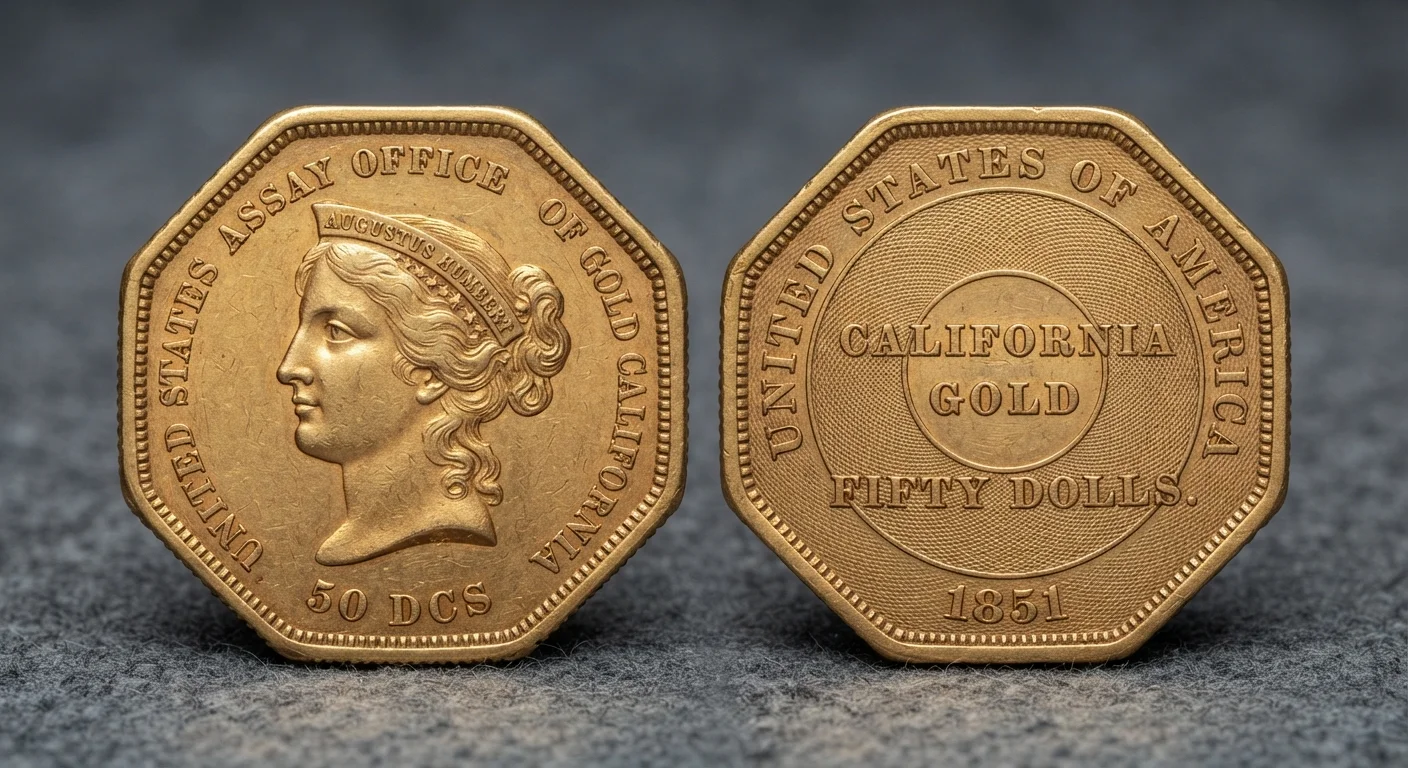
Auction results from 2026 illustrate the point. Stack’s Bowers reported that the Rarities Night session of its Summer 2026 Global Showcase auction, which closed on September 11, 2026, included 631 lots that together achieved $26,305,945 with buyer’s premium. Among the results was an 1851 Augustus Humbert $50 gold coin with a lettered edge, graded AU-58+ by PCGS, which realized $317,200 and set a record for the issue, surpassing the previous record, which had been for a Mint State example. Those are historical auction results, not guarantees of what a similar coin would bring today.
Broader market commentary points the same way. Numismatic News reported that the 2026 FUN convention drew record crowds, and noted that Stack’s Bowers had recorded $325 million in auction sales for 2025, with five coins each selling for more than a million dollars. When collectors and investors compete for scarce coins, the price is a function of that competition.
Rare Coin Premium and Gold Prices: What the Two Markets Share
None of this means the two markets are unrelated. High gold prices can bring new people into the hobby, raise attention on gold coins, and give owners of older coins a reason to look at what they have. Some collectors who begin with bullion later move into rarer material.
But the link is indirect. A rise in gold does not mechanically lift the price of a rare coin, and a fall in gold does not mechanically pull it down. The rare coin premium follows collector demand, which has its own cycles. There are risks too. Collectible coins are usually less liquid than bullion, dealer spreads on rare coins can be wider, and prices can fall when enthusiasm cools. Nothing here is a forecast, and this article is educational rather than investment advice.
What This Means for Buyers
A few habits help when you are comparing a bullion coin with a collectible.
- Ask what you are paying for. A good seller can break a price into metal value and premium.
- Compare the premium to the coin. A high premium on a common-date coin needs a reason. A high premium on a scarce, high-grade, certified coin often has one.
- Check certification. For rarer coins, look at the PCGS or NGC label and any CAC sticker, and verify the certification number.
- Do not confuse a gold rally with a rare-coin case. Buying a collectible because gold is rising mixes two different bets.
For a deeper look at how premiums are built, see DEI Gold and Silver Coins’ guide to what you pay over spot when buying gold or silver.
What This Means for Sellers
Sellers face the mirror-image problem. A coin that looks like plain gold may be worth more than its metal, and treating it as scrap can cost you the premium.
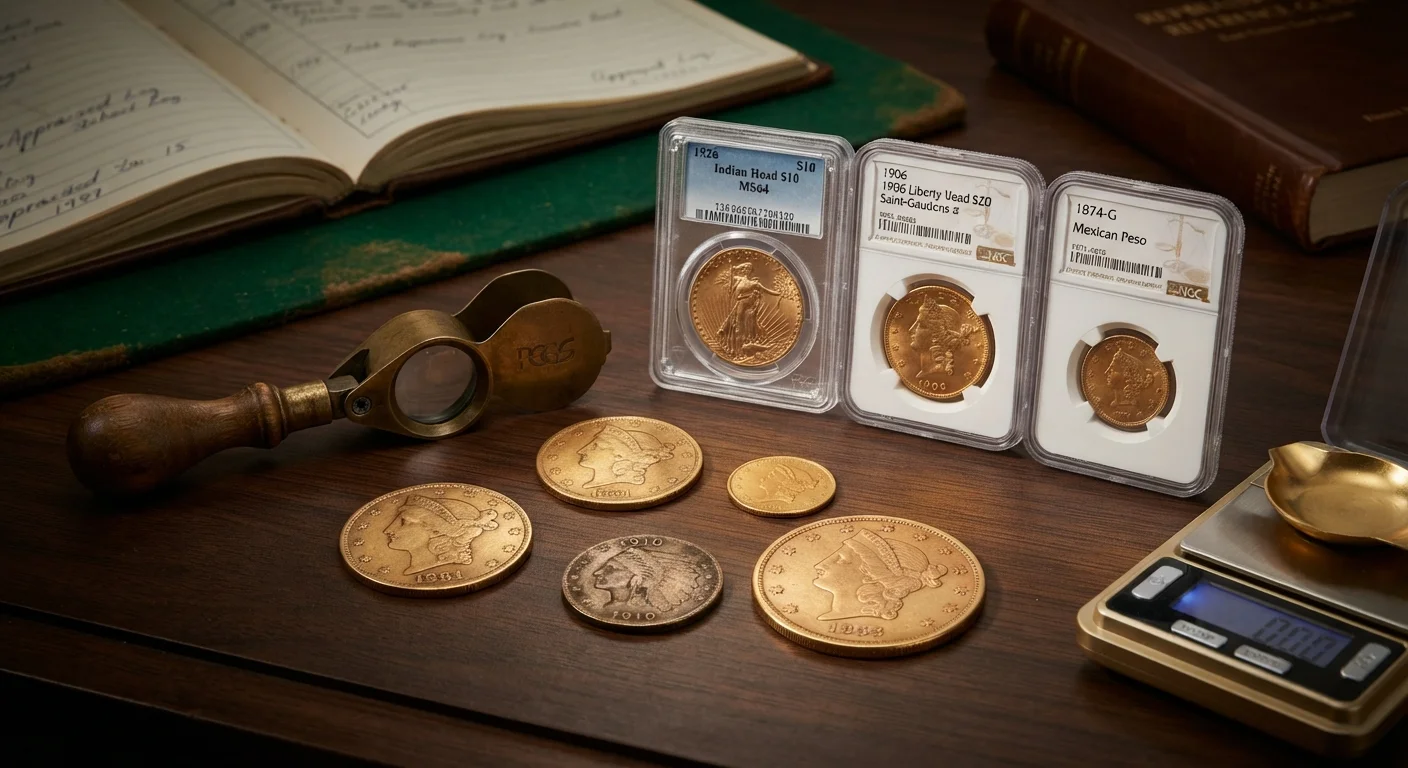
Before selling, find out whether your gold is bullion, semi-numismatic or truly collectible. Date, mintmark, grade and originality all matter. Coins that have been cleaned, mounted or damaged often lose collector value, so avoid cleaning anything. DEI Gold and Silver Coins explains the difference in its article on scrap gold vs. collectible coins, and a related piece on why you don’t receive spot price when you sell covers what buyers account for.
How DEI Gold and Silver Coins Looks at the Premium
DEI Gold and Silver Coins is a Las Vegas coin dealer that buys, sells and appraises gold coins, silver coins, rare coins, bullion, paper money and fine jewelry. When a collection comes in, the first question is which coins are valued mainly for metal and which are valued as collectibles, since that determines how each should be evaluated.
Its free and confidential appraisal service is built for that sorting step, and customers who want to explore collectible gold can browse the pre-1933 U.S. gold coins page. Appointments can be set by calling or texting 702-460-5188.
Conclusion
Gold’s climb has not affected every coin the same way. Bullion tracks the metal. Common-date gold shows smaller percentage premiums because the metal is a bigger share of the price. Scarce, high-grade coins answer to collectors more than to spot.
For buyers and sellers, the useful skill is separating the two questions: what is the metal worth, and what would a collector pay for the coin? Ask both, and a rising gold price becomes context rather than a source of confusion.
Comparing bullion coins with rare collectibles side by side is easier in person, and Las Vegas collectors can do that at coin shows produced by CK Shows. Confirm dates and details with CK Shows before you go.
DEI Gold and Silver Coins is the official sponsor of these shows.
Held and produced by CK Shows, Las Vegas, NV.
IG @CKShows
By DEI Gold and Silver Coins | Articles by DEI Gold and Silver Coins