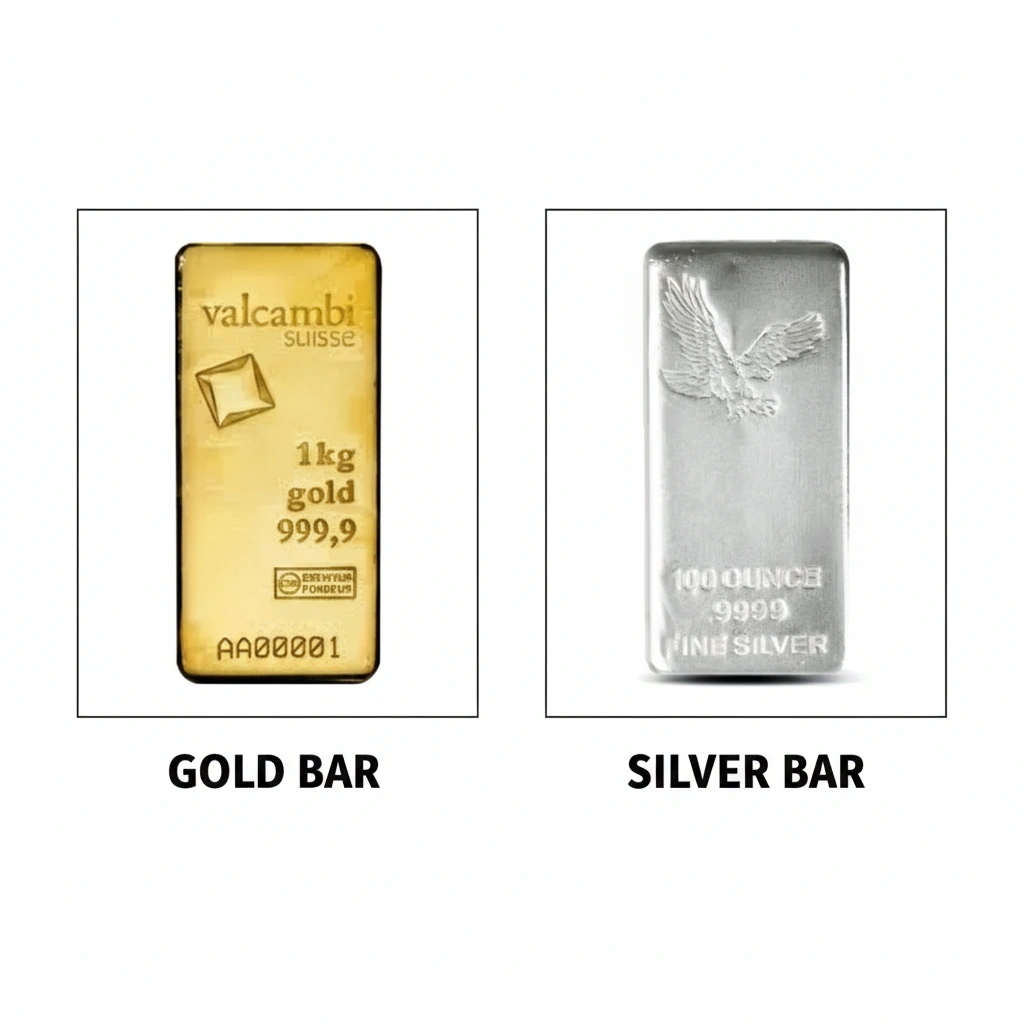
Sorting through a loved one’s estate is hard enough without also trying to figure out what a ring, a coin jar, or a box of old silverware is actually worth. Families who need to sell inherited jewelry in Las Vegas often face this exact problem: an executor with a deadline, a house full of unfamiliar items, and no idea whether anything inside is valuable or just sentimental clutter.
This guide covers what actually happens during an estate or probate sale of gold, silver, and jewelry — how appraisals work, what executors are legally required to do, how to tell costume pieces from real gold, and what to expect when you bring items to a local dealer. The goal is to help you make confident decisions without feeling rushed or pressured, whether you’re settling an estate as an executor or simply going through a parent’s jewelry box.
Why Estate and Probate Sales Are Different From a Regular Sale
Selling your own jewelry is straightforward: you own it, you decide the price, you decide when to sell. Estate liquidation gold and jewelry sales carry extra layers, largely because the person selling isn’t the person who acquired the items, and often isn’t the sole beneficiary either.
Probate itself is simply the legal process a court uses to validate a will (or apply state inheritance law if there isn’t one), settle debts, and formally transfer property to heirs. Depending on the estate’s size and the state, some estates go through a full probate process while smaller estates may qualify for a simplified transfer. Either way, personal property like jewelry and coins usually needs to be inventoried before it can be distributed or sold, which is where an accurate appraisal becomes more than just a nice-to-have — it becomes part of the estate’s official record.
- Legal authority matters. If an estate is going through probate, only the court-appointed executor or administrator typically has the legal authority to sell estate property, not just any family member who happens to have the items.
- Documentation gets requested. A reputable dealer will usually ask for identification and, for larger estate transactions, may ask about the executor’s authority (such as letters testamentary) before completing a purchase.
- Multiple heirs can complicate things. When jewelry or coins are meant to be divided among siblings or other beneficiaries, getting an accurate appraisal before selling anything helps avoid disputes about who got a “better deal.”
- Timelines are often externally imposed. Probate courts, estate deadlines, or a family’s need to close out a property sale can put pressure on how quickly items need to be evaluated and sold.
What Typically Shows Up in an Estate
Families are often surprised by what turns out to have real value — and what doesn’t. A typical estate collection brought in for appraisal might include:
- Gold and silver rings, necklaces, and bracelets, both fine jewelry and costume pieces mixed together
- Loose or boxed U.S. and foreign coins, sometimes in old cigar boxes or bank coin rolls
- Wedding sets and engagement rings, which may carry both metal value and diamond value
- Sterling silver flatware, tea sets, or serving pieces
- Wristwatches, pocket watches, and the occasional pin or cufflink set
- Paper currency, including old bills that may carry collector premiums beyond face value
Not everything here is valuable, and not everything worthless-looking actually is. Costume jewelry from the 1960s and 70s can look strikingly similar to solid gold pieces, while a tarnished, unremarkable-looking coin from a cigar box can turn out to be a key date worth many times its face value. That’s exactly why a professional evaluation matters before anything gets sold, donated, or thrown out — family members sorting an estate on their own often make decisions based on appearance alone, which cuts both ways: valuable pieces get donated by mistake, and worthless costume jewelry gets kept out of caution.
How Estate Jewelry and Coins Are Appraised
A proper appraisal separates real precious metal content from lookalikes and estimates any additional value beyond the raw metal.
- Visual inspection and hallmark check. Appraisers look for karat stamps (10K, 14K, 18K), sterling marks (925), and mint marks on coins to identify what they’re working with.
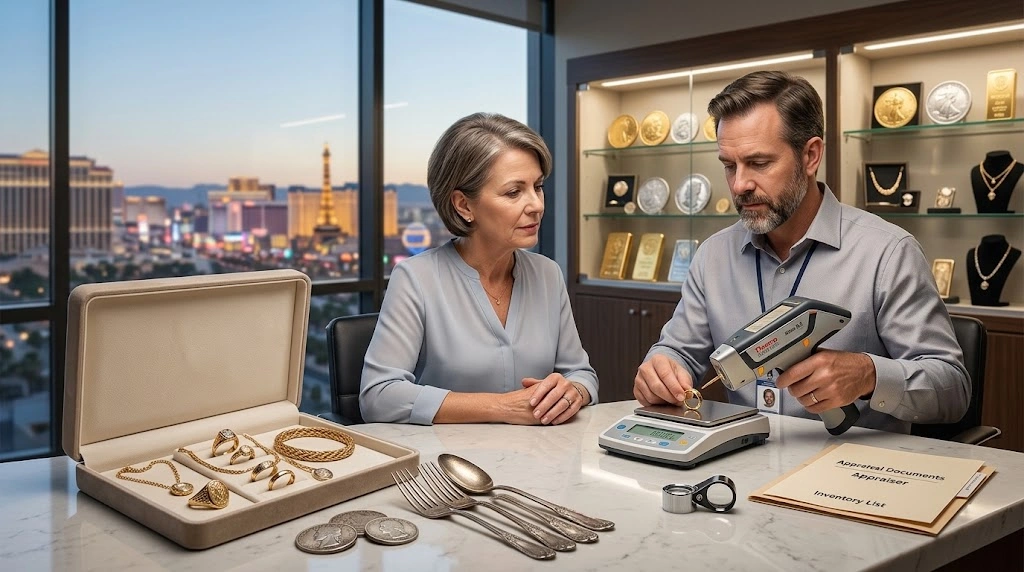
- XRF testing. Many dealers use XRF testing (X-ray fluorescence, a non-destructive method that identifies metal composition without damaging the piece) to confirm gold or silver purity when a hallmark is worn, missing, or suspicious.
- Items are weighed, typically in grams or troy ounces (a troy ounce is about 31.1 grams, slightly heavier than a standard ounce, and is the standard unit for precious metals pricing) to calculate melt value.
- Gemstone and craftsmanship review. For rings and fine jewelry, a separate evaluation considers diamond or gemstone quality and whether the piece has designer or antique value beyond its metal content.
- Numismatic premium check for coins. Coins are checked against current collector demand — a rare date or mint mark can be worth far more than melt value alone, so this step is where a probate coin appraisal earns its keep.
Coins vs. Jewelry vs. Silverware: How Value Is Determined
Item Type | Primary Value Driver | Common Surprise Factor |
Gold/silver coins | Metal weight + purity, plus rarity | A “common” coin can carry a numismatic premium worth more than melt |
Fine jewelry (rings, necklaces) | Metal weight + gemstone quality | Costume jewelry looks similar but has little to no metal value |
Sterling silverware | Metal weight (925 purity) | Large sets can add up to significant melt value even if unfashionable |
Watches | Brand, movement, and metal | A gold-cased watch may be worth more for the case metal than the mechanism |
A Practical Example: Settling a Parent’s Estate
Consider a Summerlin family settling their mother’s estate after her passing. As the appointed executor, the daughter found a jewelry box with several rings, a strand of pearls, and an old coffee can full of coins in the garage. Rather than guessing at value or selling everything as a lot, she brought the full collection in for a single evaluation. The appraisal separated the pieces into three groups: costume jewelry with no real metal value, several 14K gold rings and a sterling silver bracelet worth selling for melt value, and a handful of pre-1965 U.S. silver coins that carried collector premiums well above their silver content. Because she had documentation of the executor’s authority, the transaction was straightforward, and she was able to distribute proceeds fairly among her siblings using the itemized appraisal as a reference.
What to Bring When Selling Estate Items
- A government-issued photo ID
- Documentation of executor authority for probate sales (such as letters testamentary), if applicable
- Any existing paperwork on the items — old receipts, insurance appraisals, or certificates of authenticity for graded coins
- The items themselves, unwashed and uncleaned (cleaning coins or antique jewelry can reduce their value, so leave them in original condition)
Nevada-Specific Considerations for Estate Sellers
Nevada has no state income tax, which means an heir who sells inherited jewelry or coins for a gain won’t owe state-level tax on that transaction, even though federal capital gains rules may still apply depending on the sale price and cost basis. Nevada also does not impose a state inheritance or estate tax, which simplifies things somewhat compared to some other states, though the estate may still owe federal estate tax if its total value is large enough to cross the federal exemption threshold. As always, these are general points, not a substitute for guidance from a CPA or estate attorney who can look at the full picture.
For Las Vegas-based executors, working with a local dealer who has a physical showroom also means the estate’s most valuable items never need to leave the state or go through the mail, which some families find reassuring when handling a parent’s or spouse’s belongings.
Red Flags to Avoid During an Estate Sale
- Selling to the first buyer without a second opinion, especially for larger collections where even a small pricing difference adds up
- Accepting a single “lump sum” offer for a mixed lot without an itemized breakdown of what each piece is worth
- Cleaning or polishing items before appraisal, which can strip patina or damage detail that adds numismatic or antique value
- Skipping the executor documentation step, which can create legal complications later if other heirs question the sale
Frequently Asked Questions
It depends on the estate and state probate rules. Some estates require court approval for asset sales, while others give the executor authority to sell personal property like jewelry and coins without separate court sign-off. Check with the estate attorney handling the probate for your specific situation.
For tax purposes, inherited items generally receive a “stepped-up” cost basis based on fair market value at the time of the original owner’s passing, rather than what that person originally paid. This is general information, not tax advice — a CPA can confirm how it applies to your estate.
Yes, especially fractional gold coins or single silver coins, paired with an explanation of what the gift represents. Many families use holiday coin gifts as a simple way to start a conversation about saving and long-term value.
This is one of the most common questions with estate jewelry. A dealer can quickly test unmarked or unfamiliar pieces using XRF testing or acid testing to confirm metal content, so there’s no need to guess before bringing items in.
Conclusion
Turning an inherited collection into cash doesn’t have to mean guessing at value or rushing into the first offer that comes along. Understanding how estate and probate sales work — from executor documentation to how coins, jewelry, and silverware are each appraised differently — helps families make fair, informed decisions during an already difficult time. DEI Gold & Silver Coins, a certified Las Vegas dealer with over 50 years of combined experience, offers free evaluations for families navigating exactly this process.