If you’re in Las Vegas for CES or another major convention and considering selling gold jewelry, a watch, or a few coins to access some extra cash, time may not be on your side. Most business travelers have tight schedules, a return flight already booked, and little opportunity to visit multiple buyers and compare offers. Knowing how to sell gold during CES Las Vegas the right way—quickly, safely, and at a fair price—starts with understanding where to go and what to expect before you arrive. This guide explains what is different about selling valuables during convention week, what a same-day transaction typically involves, and how to avoid rushed decisions that could cost you money.
Why Convention Week Changes the Math for Selling Valuables
A typical visitor selling gold in Las Vegas may normally take several days to complete the process—getting an appraisal, taking some time to consider it, comparing different offers, and then making a final decision. However, convention week leaves little room for such a lengthy process. With keynote sessions, booth responsibilities, and client dinners filling their schedules, most attendees have only a few hours of genuine free time, usually during a lunch break or toward the end of a show day.
That time pressure creates two risks. First, sellers sometimes accept the first offer they get, even if it’s not competitive, simply because they don’t have time to compare. Second, the flood of temporary “we buy gold” pop-ups and kiosks that appear near major convention venues during big shows can make it harder to tell a licensed dealer from a short-term operation that won’t be there next week. A little planning before you land removes both risks.
What Happens During CES and Other Major Conventions in Las Vegas
Las Vegas hosts some of the largest trade shows in the country, and CES alone draws well over 100,000 attendees to the Las Vegas Convention Center each January. Other major conventions — from technology and hospitality shows to medical and construction trade events — bring similar waves of business travelers throughout the year. During these weeks, hotel rates spike, rideshare wait times climb, and foot traffic across the Strip and nearby commercial corridors increases sharply.
For sellers, this means two practical things: plan your visit to a dealer around show hours rather than assuming you can walk in whenever, and expect that a certified, established dealer — one with a fixed showroom rather than a temporary booth — will be easier to reach reliably during the busiest days of the week.
Business Travelers vs. Tourists: A Different Kind of Seller
Most local content about selling gold in Las Vegas is written for tourists on the Strip looking to cash out during a vacation. A business traveler in town for CES has different priorities. As a business traveler gold buyer, you’re less likely to be selling casino winnings or vacation splurges and more likely to be liquidating an inherited item, an old watch you no longer wear, or coins you brought along specifically because you knew you’d have a window to sell them while traveling. You also tend to value speed and discretion over browsing multiple offers, since your schedule is set by the conference agenda, not your own.
Recognizing this difference matters because it changes what “fast” needs to mean. A tourist might have an afternoon free; a convention attendee often has 45 minutes between sessions. A dealer who can complete an appraisal and payment in that window is doing something genuinely useful for this specific kind of seller.
What You Can Typically Sell or Pawn During Convention Week
Certified dealers in Las Vegas generally evaluate a wide range of items relevant to convention travelers looking for convention week cash Las Vegas visitors often need on short notice:
- Gold and silver jewelry — rings, chains, bracelets, and loose stones
- Watches — including well-known Swiss brands and vintage pieces
- Gold and silver coins — U.S. Mint issues, world coins, and bullion
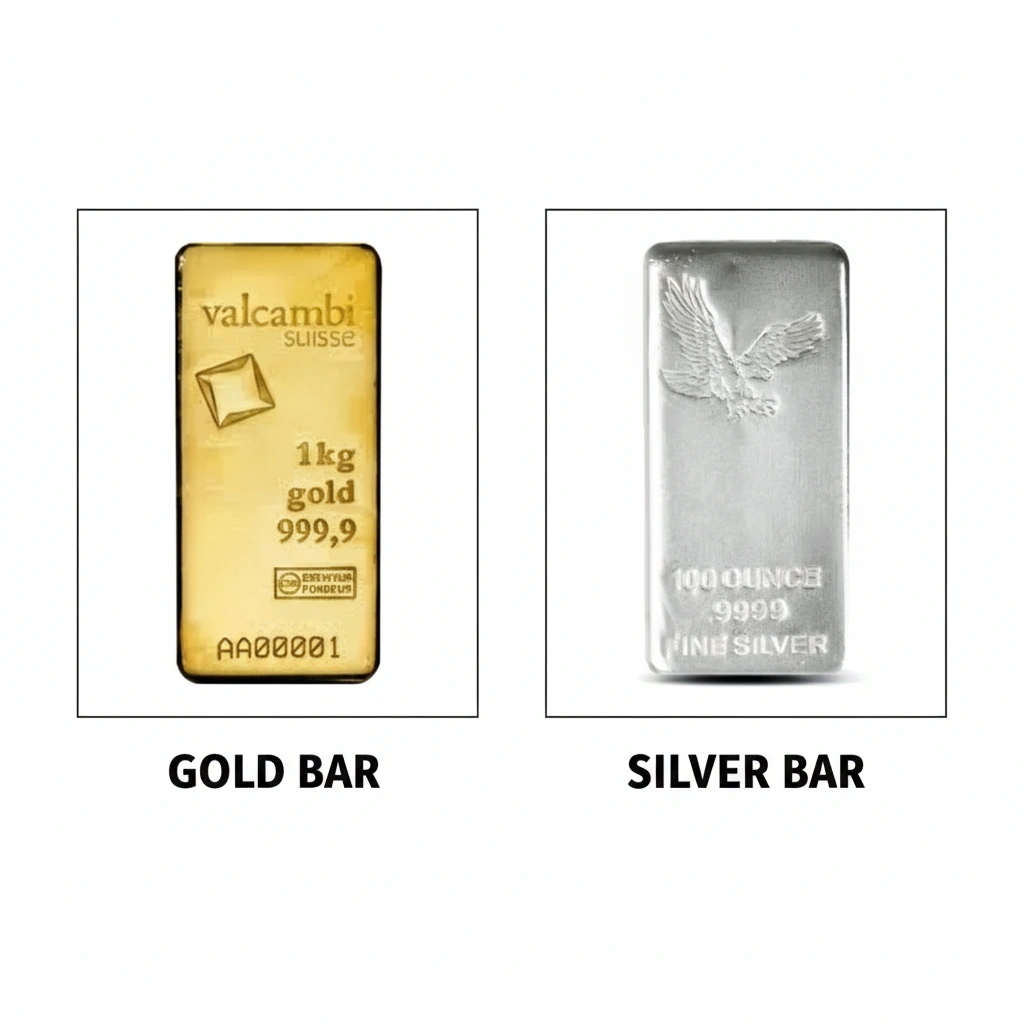
- Gold and silver bars or rounds
- Certified/graded coins — NGC, PCGS, or CAC-slabbed pieces
Not every location handles every category, so it’s worth confirming ahead of time — especially for watches or graded coins, which require a different kind of evaluation than melt-value jewelry.
Buy or Sell Gold & Silver Coins with Confidence
Work with a trusted Las Vegas coin dealer offering fair pricing, honest appraisals, and expert guidance every step of the way.
How the Process Works at a Certified Las Vegas Dealer
A legitimate, in-person evaluation follows a fairly consistent process, regardless of how busy the week is:
- Initial review — the dealer looks at your item and asks what you’re hoping to get out of the visit (a quick sale, an appraisal only, or a comparison against another offer).
- Purity and authenticity testing — using tools like a loupe (a small magnifier), a digital scale, and testing acids or XRF testing (a handheld device that reads a metal’s composition without damaging the item) to confirm what the piece is actually made of.
- Condition and rarity check — for coins and watches, this includes checking for wear, mint marks, or grading certification that affects value beyond melt price.
- Market-based offer — the dealer compares your item to current spot prices and, for collectible pieces, recent market activity.
- Payment — if you accept, payment is typically made on the spot.
The entire process, for a straightforward item like a gold chain or a common coin, usually takes well under an hour — which is exactly why it works for a traveler with limited free time.
A Convention Traveler Scenario
Consider a CES attendee flying in from out of state who brought along a small collection of inherited gold coins, intending to sell them if time allowed rather than carry them home. With one afternoon free between sessions, the goal isn’t to shop the coins around to multiple buyers — it’s to find one reliable stop where the coins can be tested, valued, and paid out before the next keynote. A dealer with a fixed Las Vegas showroom, transparent testing, and no appointment requirement fits that need far better than searching for a pop-up buyer near the convention center, since a physical, ongoing location is easier to research and verify in advance — and easier to return to if a question comes up after the show ends.
Costs, Offers, and What to Expect Price-Wise
Reputable dealers base offers on the item’s actual gold or silver content (often expressed as a percentage of the current spot price), plus any collector premium for graded, rare, or branded pieces like certified coins or luxury watches. A free, no-obligation appraisal is standard practice — you should not be charged simply to find out what something is worth. Because gold and silver prices move daily, and even hourly, expect your quote to reflect the market on the day and time you visit, not a fixed number you saw online earlier in the week.
Red Flags to Avoid When Selling During a Busy Week
Convention crowds can attract short-term buyers who won’t be around once the show ends. Before selling, watch for:
- No fixed business address — a folding table or hotel-room “buyer” isn’t accountable the way a permanent showroom is.
- Pressure to decide immediately — a legitimate offer doesn’t expire in five minutes.
- No visible testing — you should be able to see your item weighed and tested, not just told a number.
- Vague or missing credentials — ask whether the buyer works with recognized grading or certification bodies.
Getting Started Before You Land in Las Vegas
If you know you’ll want to sell something during your trip, a little preparation saves real time once you’re on the ground: confirm the dealer’s hours against your conference schedule, bring any grading certificates or purchase documentation you have, and avoid cleaning coins or jewelry beforehand, since original condition can affect value. Walking in with realistic expectations about current spot prices also makes for a faster, less stressful conversation once you’re there.ited free time.
Frequently Asked Questions
Most established Las Vegas dealers accept walk-ins, though convention weeks bring heavier foot traffic citywide. Calling ahead to confirm hours and expected wait times is a smart step if your schedule is tight.
Gold and silver prices are set by the global market, not local demand, so a convention doesn’t directly move spot prices. What can change is wait times and buyer availability, since more sellers may be looking for cash the same week.
Temporary buyers can be harder to research and hold accountable after the fact. A dealer with a permanent, verifiable Las Vegas location is generally a safer choice for higher-value items like watches or certified coins.
Bring the item itself, any certificates of authenticity or grading paperwork, and a form of ID. Original packaging or purchase receipts can help but aren’t required for a basic appraisal.
At most certified dealers, a straightforward item like jewelry or common coins can be tested, valued, and paid out in well under an hour, which is why many convention travelers plan the visit around a single free block of time.
Conclusion
Selling gold, jewelry, or coins during CES or another Las Vegas convention doesn’t have to mean rushing into a bad deal just because your schedule is tight. Knowing what a fair, transparent appraisal looks like — and planning your visit around a fixed, verifiable location rather than a pop-up buyer — is the difference between a fast transaction and a regretted one. DEI Gold & Silver Coins, a certified Las Vegas dealer with over 50 years of experience, offers walk-in appraisals designed to work within a business traveler’s lim