A coin’s grade is one of the biggest factors in what it is worth. The coin grading scale rates condition on a 70-point scale, from PO-1 (a heavily worn coin) to MS-70 (a flawless one). This guide shows the full chart, explains what each grade means, and covers how grade affects value when you buy or sell. If you already have a coin and want to know its grade, request a free appraisal at our Las Vegas showroom.
The Coin Grading Chart
| Grade | Name | What it means |
|---|---|---|
| PO-1 | Poor | Barely identifiable; date and type may be hard to read |
| FR-2 / AG-3 | Fair / About Good | Heavily worn; outline of the design visible |
| G-4 to G-6 | Good | Very worn; design outlined, rims merge with lettering |
| VG-8 to VG-10 | Very Good | Well worn; main features clear |
| F-12 to F-15 | Fine | Moderate, even wear across the design |
| VF-20 to VF-35 | Very Fine | Light to moderate wear; major details sharp |
| XF/EF-40 to 45 | Extremely Fine | Light wear on the highest points only |
| AU-50 to AU-58 | About Uncirculated | Slight wear on the highest points; most luster remains |
| MS-60 to MS-70 | Mint State | Never circulated; grade depends on luster, marks, strike and eye appeal |
| PR/PF-60 to 70 | Proof | Specially struck for collectors; graded on the same scale |
What Is Coin Grading?
Coin grading is a standard way to describe a coin’s condition. It is based on the Sheldon scale, created by William Sheldon in 1949. Professional grading services such as PCGS and NGC examine a coin, assign a grade, and seal it in a protective holder called a slab. If you want to understand what is printed on those slabs, read our guide on how to read a PCGS or NGC grading certificate. Unfamiliar terms are explained in our numismatic terms glossary.
What Is Mint State (MS)?
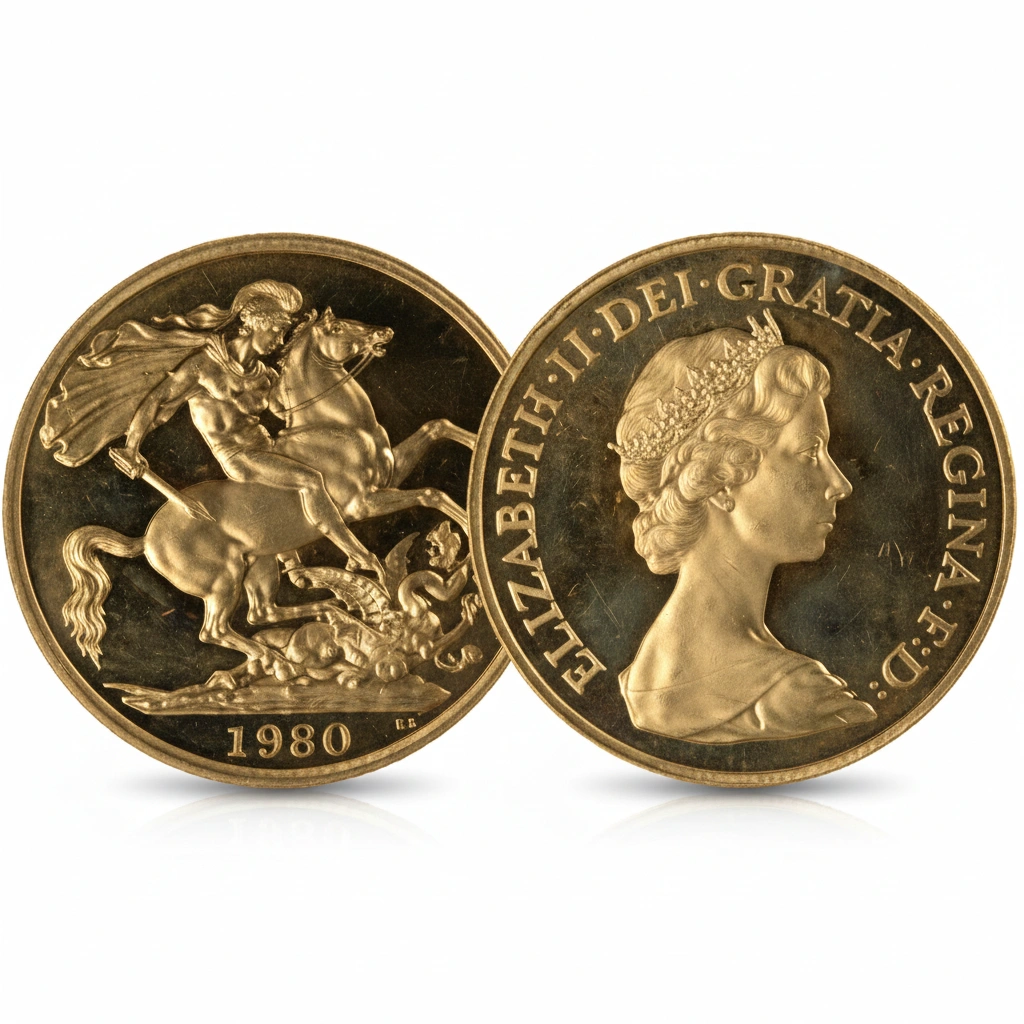
Mint State means the coin has never been in circulation. It keeps the sharp detail and luster from the minting process. MS grades run from MS-60 to MS-70, and the differences between them come from luster, surface marks, strike quality and eye appeal.
- MS-60 to MS-62: Uncirculated, but with noticeable marks or weaker luster.
- MS-63 to MS-64: “Choice” coins with better surfaces and fewer marks.
- MS-65 to MS-66: “Gem” coins with strong luster and few visible flaws.
- MS-67 and above: Superb coins with very few flaws.
- MS-70: A perfect coin with no flaws visible under magnification. Very few coins reach this grade.
What Is PO-1?
PO-1 stands for “Poor” and is the lowest grade. The coin is worn almost smooth, and usually only its date or type can still be identified. Coins in this condition are typically worth little more than their metal content unless they are very rare.
How Does Grade Affect Value?
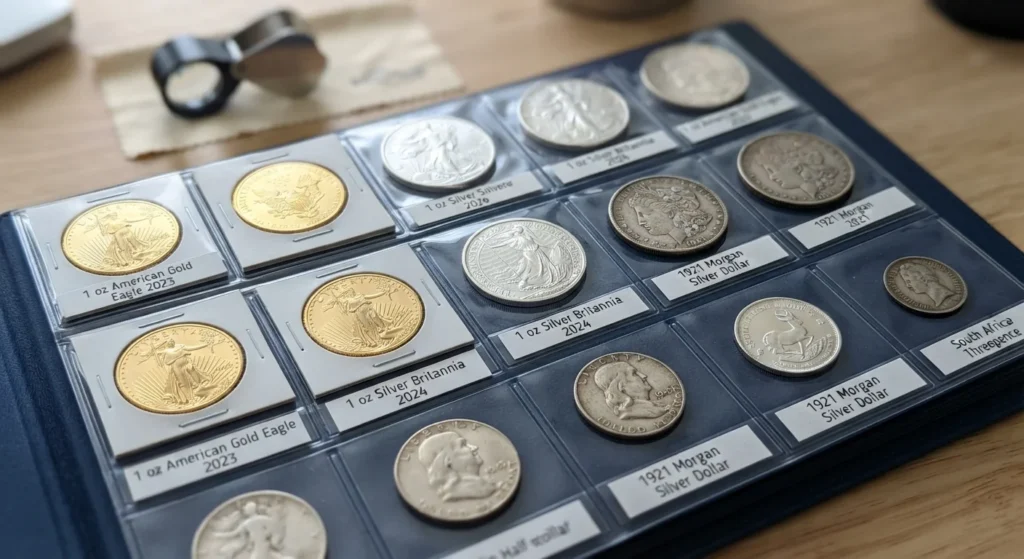
For rare and collectible coins, a higher grade usually means a much higher price. A common-date Morgan dollar in Good condition is often valued close to its silver content, while the same coin in high Mint State can be worth many times more. You can browse our silver dollars to see how condition affects pricing.
For everyday bullion, grade matters less than metal content. A coin like the American Silver Eagle is bought mainly for its silver, so a higher grade only adds value when the coin is certified and in top condition. The extra amount you pay over the metal value is called a premium, and our guide to bullion premiums explains how it works.
How Are Coins Graded?
Graders look at four main things:
- Wear: The main factor. More wear means a lower grade.
- Luster: The original shine from the minting process.
- Strike quality: How sharp and complete the design is.
- Surface condition: Scratches, marks and dents.
Eye appeal, such as attractive toning and overall look, can affect value within a grade and can help decide borderline coins, but it does not replace the technical grade.
Common Grading Mistakes
Overlooking small imperfections. Tiny scratches and marks can lower a grade a lot. Check coins under magnification before you buy.
Cleaning a coin. Cleaning leaves tiny scratches and removes the original surface, and it usually reduces value. Read why cleaned coins lose value before you try it.
Mixing up MS and PR. Mint State (MS) coins are regular strikes that never circulated. Proof (PR or PF) coins are struck a special way for collectors, with a mirror-like background and frosted design.
Ignoring mint marks. The mint mark can change a coin’s value as much as its grade. See our mint mark guide.
Poor storage. Handle coins by the edges and keep them in protective holders.
How to Check a Coin’s Grade Yourself
- Check the strike: Look for weak or smudged details.
- Check for wear: Focus on the high points, where wear shows first.
- Check the luster: Tilt the coin under a light and watch how it reflects.
- Check the surface: Look for nicks, scratches and dents.
You can get a rough idea of a coin’s grade this way, but only a grading service can give an official grade. If you are new to collecting, start with our beginner’s guide to building a coin collection. To buy coins that are already graded, browse our certified gold coins and certified silver coins.
Conclusion
The grading scale from PO-1 to MS-70 measures a coin’s condition, and condition can make a big difference to its value. Whether you are buying, selling or collecting, knowing what each grade means helps you avoid overpaying or underselling. If you want a professional opinion on your coins, get a free appraisal, or see how to sell your coins to our team. For more articles like this, browse our coin grading and authentication guides.
Frequently Asked Questions
MS-70, a perfect coin with no flaws visible under magnification.
Mint State. It means the coin has never been in circulation.
It depends on the coin. For collectible coins, MS-63 and above is generally considered strong. For bullion, most buyers care more about metal content than grade.
MS-70 is a coin with no flaws visible under magnification. MS-69 has very small flaws. The price gap between them can be large for some coins.
MS coins are regular strikes that were never circulated. PR (Proof) coins are specially struck for collectors with a mirror-like finish and frosted details.
You can estimate a grade, but an official grade needs a third-party service such as PCGS or NGC.
For collectible coins, a higher grade usually means a higher price. For bullion coins, metal content is the main driver.